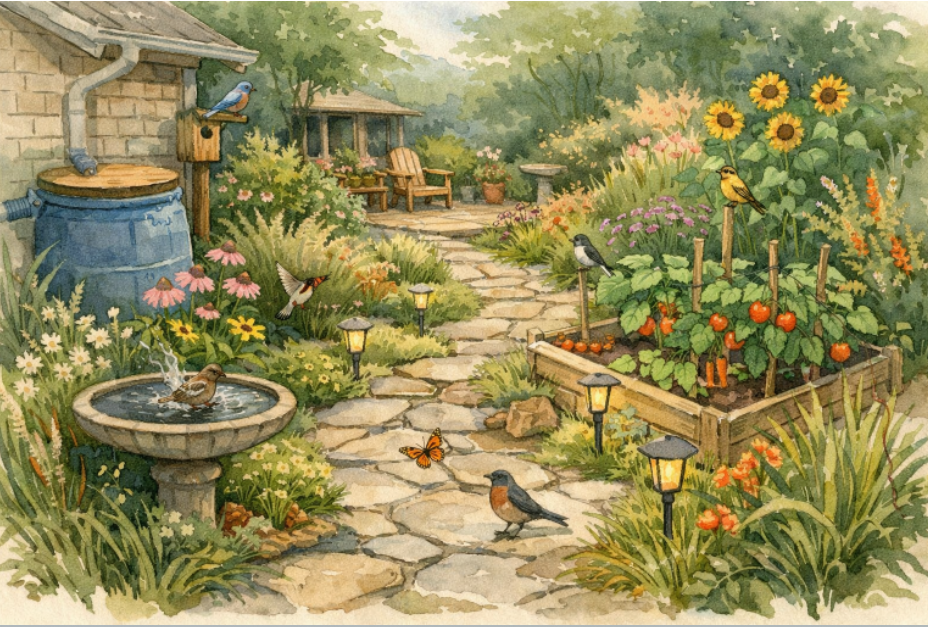
Transforming your yard into an environmentally responsible retreat has never been more appealing. As sustainability becomes a guiding principle for homeowners, eco-conscious landscaping practices are at the forefront of outdoor design. From conserving water to nurturing biodiversity, the way you plan and care for your garden can make a meaningful impact. Smart approaches, such as thoughtful landscape lighting design, not only highlight your garden’s beauty but also contribute to energy savings and a healthy ecosystem.
Crafting a green sanctuary goes well beyond aesthetic choices. By embracing native plants, using permeable materials, and supporting local wildlife, you foster an environment that flourishes with minimal intervention and respects natural cycles. This shift toward sustainability in outdoor spaces is more than a trend; it is a long-term commitment to stewardship and harmony with nature.
Leading landscape designers and horticulturists advocate for a holistic approach: integrating energy-efficient features, utilizing recycled materials, and even growing your own food within the garden. Homeowners are encouraged to move away from resource-intensive lawns in favor of resilient, low-impact alternatives that thrive in local conditions.
Below, you will find inspiration and practical strategies for every homeowner interested in sustainable landscape design. Each section explores a core trend, offering actionable ideas and expert-backed insights into building beautiful spaces that are gentle on the earth.
Embracing Native Plantings
Selecting plants that are indigenous to your region is a cornerstone of eco-friendly landscaping. Native species are adapted to local climates and soil, leading to healthier, low-maintenance gardens. Choosing native flora helps you conserve water and support surrounding ecosystems by providing vital food and shelter for pollinators and other wildlife. Experts at the National Wildlife Federation advocate for native planting as a primary strategy to restore food chains and protect biodiversity.
Water Conservation Techniques
Creating a drought-tolerant landscape is essential for long-term sustainability. Techniques like drip irrigation, mulching, and rainwater harvesting dramatically lower your water usage. Xeriscaping, which involves designing with drought-resistant plants, minimizes the need for supplemental watering and can lead to significant resource savings. Grouping plants based on their irrigation needs helps ensure every drop is used efficiently without compromising lushness or variety in your garden.
Permeable Paving Solutions
Replacing concrete pathways and patios with permeable materials is a simple way to reduce stormwater runoff and recharge groundwater. Permeable concrete, open-jointed pavers, and stabilized gravel allow rainwater to filter through, minimizing erosion and protecting local waterways. These paving choices often blend more seamlessly into the landscape, creating a natural aesthetic while supporting the health of the environment.
Creating Wildlife-Friendly Habitats
Designing gardens that nourish local fauna is an important sustainable trend. Incorporate a diversity of plants that flower at different times to supply continuous food for bees, butterflies, and birds. Install water features, leave undisturbed spaces for shelter, and avoid chemical pesticides. Even small urban yards can function as vital stepping stones for migrating species and help bolster the resilience of regional wildlife populations.
Incorporating Edible Gardens
Vegetable patches, herb spirals, and edible hedges bring function and freshness to outdoor spaces. Growing food at home reduces reliance on store-bought produce, cutting transportation emissions and food waste. Integrating fruit trees, berry bushes, and raised beds into your landscape provides nutritious harvests while supporting the soil and attracting beneficial insects. Organizations like PBS SoCal offer tips for beginners and seasoned gardeners alike.
Energy-Efficient Outdoor Lighting
Modern gardens are not just enjoyed during the day but also after dark. Opt for LED bulbs and solar-powered fixtures to lower electricity consumption. Strategic placement and the use of motion sensors ensure that lighting serves its purpose while minimizing impact on nocturnal wildlife and conserving energy. Lighting can enhance pathways and seating areas, creating safe, welcoming spaces that remain connected to sustainable practices.
Utilizing Recycled and Sustainable Materials
Choosing eco-friendly materials for decks, furniture, and hardscape elements supports a circular economy. Recycled composites, reclaimed wood, and salvaged stone have lower environmental footprints than new products and offer unique character. When selecting new materials, prioritize those that are locally sourced, renewable, or certified sustainable to further minimize impacts. These mindful choices contribute to distinctly beautiful and enduring outdoor spaces.
Integrating Smart Technology
Smart devices can take much of the guesswork out of garden care while helping conserve resources. Automated irrigation systems use real-time weather data to deliver water precisely when needed, and soil sensors track moisture and plant health. Technology can also optimize fertilization, lighting, and pest management, ensuring that your landscape thrives with less effort and greater efficiency.
Taking significant steps to prioritize sustainability in your outdoor areas brings rewards for your home, local ecosystems, and the planet. By integrating these trends, you can foster landscapes that are both resilient and visually captivating, paving the way for a greener, more harmonious future.