Key Takeaways
- Proper insulation reduces energy bills while increasing comfort year-round.
- Each area of the home requires tailored materials for optimal efficiency.
- Upgrades work best when combined with air sealing techniques.
Making informed decisions about home insulation is vital for homeowners who want to maximize comfort and minimize energy bills. Taking the time to select the right materials and techniques can make a long-term difference in your home’s energy performance and overall comfort. For those seeking dedicated local expertise, exploring quality West Palm Beach insulation services can ensure your project is completed with care and efficiency.
With a range of options available and different parts of your home requiring specific solutions, understanding both the basics and the finer points of insulation helps you make investments that last. Addressing not only which material to choose but also where to apply it, and how to combine insulation with air sealing or smart home technologies, can refine your approach for maximum impact.
Once you understand the importance of insulation, finding the right professional support can make all the difference in project outcomes. Engaging an experienced insulation contractor ensures that your insulation is installed correctly and performs well over time.
Understanding the Importance of Home Insulation
Insulation forms a protective barrier within your home’s walls, attic, floors, basements, or crawl spaces, slowing the transfer of heat. This means that in winter, warmth stays inside, while in summer, the heat is kept out. The Environmental Protection Agency notes that making insulation upgrades throughout a home, combined with effective air sealing, can reduce total energy costs by more than 10 percent on average.
In addition to energy savings, better insulation can enhance indoor air quality and improve moisture control, both of which boost comfort and may benefit health. Many utility companies and government agencies offer incentives and rebates to homeowners who improve their insulation, helping offset initial project costs.
Identifying Key Areas for Insulation
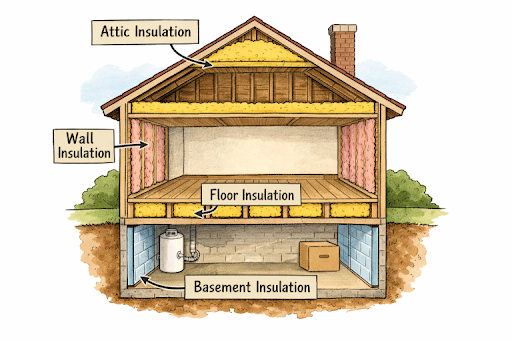
Maximizing your home’s energy efficiency requires attention to several important areas. Each zone plays a unique role in heat retention and loss:
- Attic: As heat rises, the attic is a primary area for potential energy loss. Sufficient attic insulation is crucial for both hot and cold climates.
- Walls: Insulating exterior and interior walls helps prevent heat transfer. This can significantly impact comfort in older homes, where walls may be hollow or under-insulated.
- Floors: Spaces above unheated basements or garages benefit from floor insulation, which keeps main living areas warmer and reduces energy waste.
- Basements and Crawl Spaces: These zones often account for a substantial portion of heat loss if left untreated. Proper insulation keeps floors comfortable above and lessens humidity migrations into the living space.
Choosing the Right Insulation Materials
The ideal insulation material depends on the specific requirements of each part of your home and any environmental or budget preferences. Common materials include:
- Fiberglass: This widely used material is affordable and effective for most applications, particularly attics, walls, and floors.
- Spray Foam: With a high R-value per inch and superior air-sealing capabilities, spray foam works well in tight, irregular, or hard-to-reach areas.
- Cellulose: Composed of recycled paper products, cellulose insulation is environmentally friendly and performs especially well in attics and existing wall cavities.
- Rigid Foam Boards: These panels provide strong insulation for basements and exterior walls, and are easy to install against flat surfaces.
Combining Insulation with Air Sealing
Insulating is only part of the strategy. Air sealing addresses gaps and leaks around windows, doors, vents, and utility cutouts. Together, these measures drastically reduce drafts, moisture intrusion, and unwanted noise. For most homeowners, a combined approach yields the most consistent energy savings.
Considering Smart Home Integration
Modern smart home technologies further amplify savings by responding dynamically to home occupancy patterns and weather. For example, programmable thermostats and home automation systems adjust heating and cooling in real time, ensuring energy isn’t wasted when no one is home. These technologies work hand in hand with robust insulation to minimize heating and cooling demands year-round.
Evaluating Cost and Incentives
Insulating your home represents an upfront investment that is often recouped over time through reduced energy costs. State and federal programs can help lower your initial costs through tax credits, rebates, or low-interest financing. Before you start, research available programs in your area and factor these incentives into your budget plans. Making upgrades today not only saves money but also increases your home’s value and market appeal.
Conclusion
Quality home insulation is a crucial factor in both comfort and efficiency. By carefully selecting the right materials for each part of your home, using combined insulation and air-sealing strategies, and embracing smart technologies, you can achieve a healthier, more cost-effective living environment. Taking advantage of professional expertise and available incentives makes it easier than ever to achieve long-term savings and lasting peace of mind.