Key Takeaways
- Clear gutters help direct roof runoff away from the foundation and landscaping.
- Downspouts need unobstructed outlets and a discharge path that carries water safely away.
- Overflow can result from debris, poor slope, loose hardware, undersized sections, or structural damage.
- North Texas homeowners should inspect roof drainage before storm-prone periods and after severe weather.
- Early drainage repairs may help limit erosion, pooling water, and exterior water damage.
- High, damaged, or difficult-to-reach gutter systems are best evaluated by a qualified professional.
Table Of Contents
- Why Gutters Matter During North Texas Storms
- Common Gutter Problems To Watch For
- How To Inspect Gutters Safely
- When And How To Clean The System
- Why Downspouts Deserve Extra Attention
- A Simple Storm-Readiness Checklist
- When Cleaning Is Not Enough
- When To Call For Professional Help
- Final Thoughts
North Texas homes can experience intense rainfall, strong winds, hail, and fast-moving storms that put roof drainage systems under pressure. Gutters and downspouts may seem like minor exterior features, but they guide large amounts of water away from vulnerable areas of the home. Homeowners looking for gutter installation and cleaning services in Dallas Fort Worth can benefit from understanding what a properly working drainage system should do before scheduling maintenance or repairs.
When gutters overflow, leak, or empty too close to the house, the result can be washed-out soil, displaced mulch, stained siding, standing water, and moisture near the foundation. Regular inspections and a few practical maintenance habits can help identify small concerns before a severe storm exposes a larger problem.
Why Gutters Matter During North Texas Storms
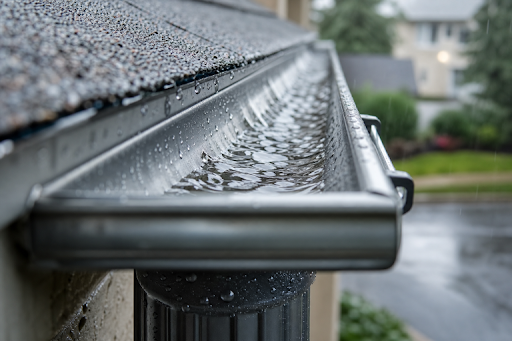
Gutters catch runoff from the roof edge, while downspouts carry that water toward a controlled discharge point. Without that path, rain can fall directly beside the house, carve channels through soil, splash dirt onto siding, and saturate planting beds. Short, heavy storms are especially demanding because a large volume of water reaches the gutter at once. Public drainage also depends on clear inlets, ditches, and channels. The City of Fort Worth explains the importance of keeping drainage paths free of debris in its drainage system maintenance guidance.
Common Gutter Problems To Watch For
Many gutter problems provide warning signs before interior leaks or major landscape damage appear. Watch for water spilling over the front edge during rain, gutter sections pulling away from the fascia, sagging areas that retain water, rust spots, cracked seams, and loose brackets. Downspouts that drip at joints, remain dry during a storm, or produce only a weak flow may be clogged or disconnected.
Fresh trenches in the soil below roof edges, puddles near the slab, water stains on soffits or exterior walls, and weeds growing inside a gutter channel also deserve attention. If overflow continues after a thorough cleaning, the problem may involve incorrect slope, limited capacity, poor roof-drainage design, or weakened hardware rather than leaves alone.
How To Inspect Gutters Safely
A useful inspection starts from the ground. Walk around the home and look for bent sections, detached downspouts, visible gaps, missing fasteners, and areas where the gutter line appears uneven. Pay close attention to the roof valleys and intersections, where runoff often concentrates. After rain, check for new erosion, splashing, and water that pools or flows back toward exterior walls.
Use binoculars or a phone camera to examine high sections instead of climbing onto a roof. If a ladder is necessary, work only in dry, calm conditions on firm, level ground. Wear shoes with secure traction, keep three points of contact, and stop if the ladder feels unstable or the gutter looks damaged. A professional should handle steep roofs, tall two-story areas, and loose or rotted fascia.
When And How To Clean The System
Cleaning frequency depends on nearby trees, roof shape, seasonal pollen and seed drop, windblown debris, and construction activity in the area. Homes beneath mature trees may need more frequent checks than homes with open rooflines.
A Basic Cleaning Sequence
- Remove loose leaves, twigs, and compacted debris with gloved hands or a suitable scoop.
- Clear the opening where each downspout connects to the gutter.
- Flush the gutter channel with a controlled stream of water.
- Test each downspout from top to bottom and watch for leaks at joints.
- Confirm that water exists freely and moves away from the house.
- Secure loose fasteners or brackets if the surrounding material is still sound.
Gutter guards can reduce large debris buildup, but they do not eliminate maintenance. Fine roof grit, seeds, pine needles, and small organic material can still collect around screens, outlets, and downspout elbows.
Why Downspouts Deserve Extra Attention
A clean gutter cannot perform well if its downspout is blocked or ends too close to the foundation. Inspect elbows and underground connections for clogs, and keep outlets free of mulch, soil, dense plants, and stored items. Extensions should direct water away from the home without creating a slippery walkway, sending runoff toward a neighbor’s property, or crossing an area where people regularly walk.
Splash blocks can help reduce erosion at an outlet, while grading and swales shape the yard so water moves away naturally. French drains and underground drain lines may be useful for specific drainage conditions, but they are not interchangeable solutions. Each option must work with the site’s slope, soil, outlet location, and existing drainage pattern.
A Simple Storm-Readiness Checklist
- Remove visible leaves, nests, and loose debris from gutters and outlets.
- Confirm that every downspout outlet is open and positioned correctly.
- Secure loose brackets, extensions, and disconnected sections.
- Trim branches that scrape against the roof or gutter system.
- Move outdoor items away from expected runoff paths.
- Take photos of existing damage for home maintenance records.
- Review local weather alerts before beginning outdoor work.
North Texas storms can combine heavy rain with damaging wind, hail, and flash-flood conditions. The Texas Governor’s North Texas storm update offers an example of why it is wise to prepare exterior drainage systems before severe weather arrives.
When Cleaning Is Not Enough
Cleaning may solve the issue when leaves or compacted debris are blocking a gutter channel or downspout, and water flows normally once the system is cleared. Repairs may be necessary when gutters have low spots, seams leak after cleaning, fasteners no longer hold, fascia shows rot, or moderate rainfall still causes overflow. A roof area that funnels water into one small gutter section may also need a design adjustment.
When To Call For Professional Help
Professional help is often appropriate for high systems, significant sagging, damaged fascia, recurring leaks, underground drainage connections, or hard-to-access rooflines. Request written estimates, verify insurance, and ask whether the inspection includes gutters, downspouts, discharge points, and adjacent fascia. Photos of the damaged areas and a clear explanation of urgent versus optional work can make it easier to compare recommendations.
Final Thoughts
Gutters work best as part of a complete drainage plan that includes secure hardware, clear downspouts, suitable discharge locations, and landscape grading that moves water away from the house. A brief inspection before storm season, followed by prompt attention to small defects, can help North Texas homeowners reduce unpleasant drainage surprises when heavy rain arrives.