Modern homes are continuously evolving, with entranceways fast becoming a focal point of architectural creativity and utility. Once considered merely functional, doorways now serve as vital design features. A thoughtfully chosen doorway not only boosts curb appeal but also transforms the home’s atmosphere. Homeowners today have more options than ever, including statement double doors with transoms for a grand arrival. These elevated entryways offer elegance and impressive natural light, inspiring further design experimentation. For inspiration, see examples at https://grandentrydoors.com/double-door-with-transom/.
The latest trends blend cutting-edge aesthetics with high-performing materials and smart technology. Homeowners increasingly seek options that allow personalization while delivering benefits such as improved security, enhanced airflow, and a seamless indoor-outdoor transition. In a world where both lifestyle and functional needs are shifting rapidly, doorway design continues to push boundaries, offering the chance to express personality, save energy, and connect with nature.
Contemporary entryway design goes beyond simple doors to incorporate a mix of bold forms, tactile finishes, and digital integration. The eclectic trends emerging in modern architecture demonstrate how a doorway can be personalized and functional in today’s homes. Current innovations are reshaping expectations for both interior and exterior entry points. As interest in natural lighting, eco-conscious living, and connected technologies strengthens, doorways are being reimagined to support these values.
Whether making a dramatic statement with size and shape or blending lush nature into urban footprints, these developments produce spaces that are both inviting and practical.
Pivot Doors: A Bold Statement
Pivot doors have become popular for their ability to support oversized panes while maintaining smooth operation. Pivoting on a central axis rather than side hinges, these doors create grand, wide openings, often floor-to-ceiling. Commonly crafted with bronzed metals and tempered glass, they create robust yet visually light passageways. The bold visual presence of a pivot door can set the tone for the entire home, especially when integrated at the main entrance or as an internal divider between public and private areas.
Glass Doors: Merging Indoors and Outdoors
A rapidly growing trend, floor-to-ceiling glass doors invite natural light and blend indoor spaces with outdoor landscapes. Sliding and folding systems are especially popular, eliminating barriers between patios, gardens, and interiors. Transparent glazing supports passive solar heating in winter, reducing reliance on artificial light and improving energy performance. Strategic use of glass brings the horizon inside, fostering a sense of openness and harmony with nature.
Mixed Materials: Combining Textures and Styles
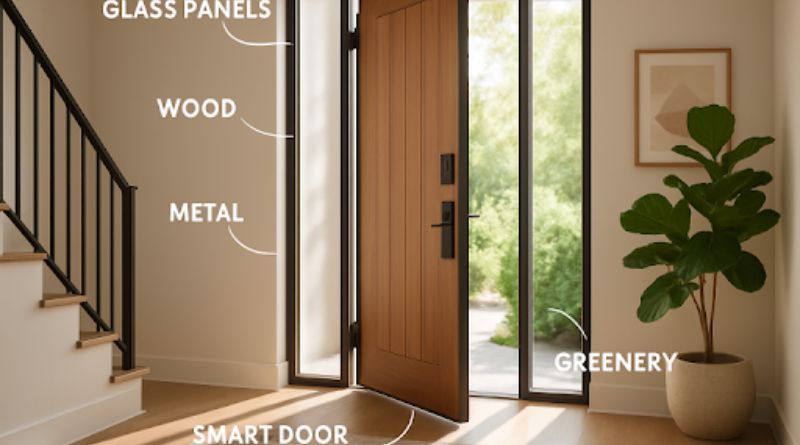
Modern design frequently favors the interplay of contrasting materials within a single feature. Doors that unite wood, metal, and glass achieve a visual richness that balances organic warmth and modern industrial flair. For instance, pairing walnut with brushed steel offers timeless appeal with improved durability. This trend also enables homeowners to match entryways with existing home accents or interior color palettes for a more unified look.
Smart Doors: Integrating Technology
Technology continues to revolutionize doorway functionality and home security. Smart door systems now feature keyless entry, wireless intercoms, touch-free operation, and built-in surveillance. Voice-activated and app-controlled options let users grant access from anywhere, while motion sensors provide an extra layer of security for peace of mind. As connected homes become the norm, investing in intelligent entryways offers convenience and real-time control without compromising style.
Biophilic Design: Bringing Nature Inside
Biophilic principles encourage the use of organic materials and natural motifs, transforming doorways into conduits for well-being and tranquility. Integrating elements such as reclaimed wood, textured stone, or living plant walls around or upon the entryway introduces tactile and visual connections to the outdoors. These touches foster calmness and positive energy, vital in contemporary living environments focused on health and happiness. Choosing a biophilic entryway can also improve the air quality in the immediate area, reinforcing your connection to nature every time you walk through the door.
Tiled Doorways: Artistic Accents
Decorative tiling can add artisanal flair to door frames, forming border accents that elevate the entry with bold colors, patterns, or subtle mosaics. This technique adapts easily to a range of tastes, from Mediterranean-inspired spaces to minimalist modern homes. Tile accents are cost-effective and low-maintenance, yet powerful in making the doorway a signature feature of the house, blending historical references and contemporary artistry. The creative possibilities are virtually limitless, allowing for customized mosaics or patterns that reflect a homeowner’s unique artistic vision.
Convection Doors: Enhancing Airflow
Convection, or Lev doors, introduce dual-panel construction for added climate versatility. In colder climates, heated air is funneled through both panels, efficiently distributing warmth while reducing energy costs. During hot weather, opening the upper section lets in cooling breezes while maintaining privacy. These solutions deliver healthy airflow and temperature regulation without extensive renovations or complex mechanical systems. Designers are even exploring convection doors with integrated sensors, further optimizing energy efficiency year-round and providing maximum comfort in variable conditions.
Conclusion
Today’s doorways shape modern homes in ways that stretch far beyond traditional requirements. As aesthetics, performance, and lifestyle priorities evolve, entryways are increasingly becoming showcases of inventive design. By embracing contemporary innovations, whether dramatic pivot designs, eco-friendly biophilic touches, or cutting-edge technology, homeowners can create inviting and dynamic transitions that speak to both personality and practicality, ensuring the home’s entrance leaves a lasting impression. A modern doorway is more than just an entry point; it’s an integral element that reflects evolving trends, technological progress, and the homeowner’s vision for the future.