Key Takeaways:
- Window films can significantly reduce energy consumption by minimizing heat transfer through windows.
- They offer a cost-effective alternative to window replacement, enhancing both comfort and sustainability.
- Proper selection and installation of window films can lead to substantial savings on heating and cooling costs.
Understanding Window Films and Their Functionality
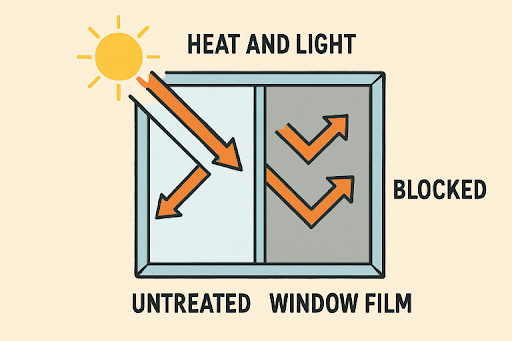
Window films are innovative products designed to enhance the performance of existing windows. These thin layers of polyester or other materials are applied directly onto glass surfaces, providing a practical solution for property owners seeking to improve their building’s energy efficiency. Window films work by reflecting, absorbing, or filtering sunlight, helping control the amount of heat that enters or leaves through windows and supporting balanced interior conditions. If you are searching for professional advice and high-quality installations, CSS Window Film experts offer extensive experience and tailored recommendations.
During summer, window films can block excessive solar heat, keeping interiors cooler and reducing the need for air conditioning. In winter, certain films help retain indoor warmth by reflecting the building’s heat back into the room, easing the workload of heating systems. This dual function promotes comfort and energy savings throughout the seasons.
In addition to temperature control, window films reduce glare, limit exposure to harmful UV rays, and preserve furnishings by preventing sun-related fading. Their ability to address a range of issues makes them an attractive solution for homeowners and businesses alike. As more people seek sustainable upgrades that do not require extensive renovations, window films are emerging as a leading choice for their effectiveness and affordability.
Most notable is the environmental impact, as the use of films can lower overall energy demand and help reduce greenhouse gas emissions. The U.S. Department of Energy highlights that improvements to windows and the introduction of energy-saving products play an important role in overall building efficiency. For more insights, see the U.S. Department of Energy’s guide to window upgrades.
There are different types of window films, each offering unique benefits and suited for various energy efficiency needs:
- Solar Control Films: Designed primarily to minimize solar heat gain, these films reflect or absorb sunlight, helping maintain cooler indoor temperatures and greatly reducing reliance on air conditioning.
- Low-Emissivity (Low-E) Films: Low-E films improve insulation by reflecting interior heat back into the room. This property is particularly valuable during the winter months in colder climates, as it helps reduce heating expenses.
- Security Films: While engineered to increase the strength and safety of glass, some security films also offer energy-saving benefits by deterring unwanted heat transfer through window panes.
Choosing between these film types depends on regional climate, building orientation, window placement, and primary goals, whether cooling, heating retention, or security.
Energy Savings and Cost Benefits
Window films can significantly reduce energy bills. By decreasing the workload on heating, ventilation, and air conditioning systems, they deliver measurable savings. The International Window Film Association notes that window films may reduce the solar heat gain coefficient, helping to address HVAC and lighting imbalances and, in some cases, improve heat insulation. Commercial properties especially benefit, with large expanses of glass that can save on heating and cooling costs year-round. These benefits mean that film installation quickly pays for itself in utility savings and enhanced comfort.
According to a Time Magazine energy-savings guide, simple upgrades such as window films are among the most cost-effective ways to improve energy efficiency without resorting to full window replacement.
Environmental Impact
Window films support sustainability by reducing energy consumption and, in turn, decreasing a structure’s carbon footprint. Unlike total window replacement, which requires considerable resources, the manufacture and installation of window films utilize far fewer materials and generate less waste. This makes them an environmentally responsible choice for individuals seeking to minimize the environmental impact of their upgrades. As more communities adopt green building initiatives, the environmental advantages of window films become even clearer.
In addition, the longevity and durability of these films mean less frequent need for replacements, further supporting eco-friendly living.
Installation Considerations
For optimal performance and longevity, window films should always be installed by knowledgeable professionals. Proper installation ensures that the films adhere evenly without air bubbles or creases, resulting in optimal performance and appearance. When planning an installation, factors such as climate, building orientation, glass type, and regional weather patterns should all be considered. Consulting with an expert will help determine the best film for your desired outcome, ensuring you receive all available energy and comfort benefits.
Maintenance and Longevity
Once installed, window films are easy to maintain. Regular cleaning with mild, non-abrasive cleaners keeps them clear and streak-free. High-quality films typically include warranties ranging from 10 to 15 years, solidifying their reputation as a lasting investment in energy efficiency and home comfort. With minimal upkeep and long-term durability, window films continue to add value over many years.
Conclusion
Window films are an effective and practical way to enhance energy efficiency in homes and commercial buildings. By minimizing unwanted heat transfer and stabilizing indoor climates, they deliver cost savings, increased comfort, and a valuable contribution to environmental sustainability. Whether you want a cooler interior during the hottest summer days or improved insulation to fight winter’s chill, window films provide a smart alternative to expensive renovations and window replacement. Consider consulting with window film professionals to maximize the benefits for your property.