Maintaining the integrity of your commercial roof is essential for preserving both the value and safety of your property. Businesses in the Pacific Northwest, for example, face unique roofing challenges due to the region’s weather patterns and building designs. Proactive care is key to minimizing costs and disruptions. For those seeking expert guidance, a trusted resource for commercial roofing Seattle can provide valuable local insight and solutions. Understanding the root causes of commercial roofing problems and addressing them early can save property owners from expensive repairs down the line. By following a strategic maintenance plan that covers routine inspections, proper installation, and prompt repairs, you can safeguard your building’s assets and ensure long-term functionality.
Regular Maintenance: The First Line of Defense
Routine inspections are crucial for detecting issues before they become significant. Most building owners overlook minor changes such as cracks, blisters, or early membrane wear, which can quickly escalate. As highlighted by the National Roofing Contractors Association, planned maintenance helps extend the lifespan of commercial roofing systems by addressing small deficiencies early and cost-effectively. Implementing a scheduled maintenance program performed by experienced professionals will help you meet warranty requirements and keep your documentation up to date. Maintenance logs from reputable sources, including inspection photos and repair records, provide tangible proof that you’re taking the proper measures to protect your roof investment.
Ensuring Effective Drainage Systems
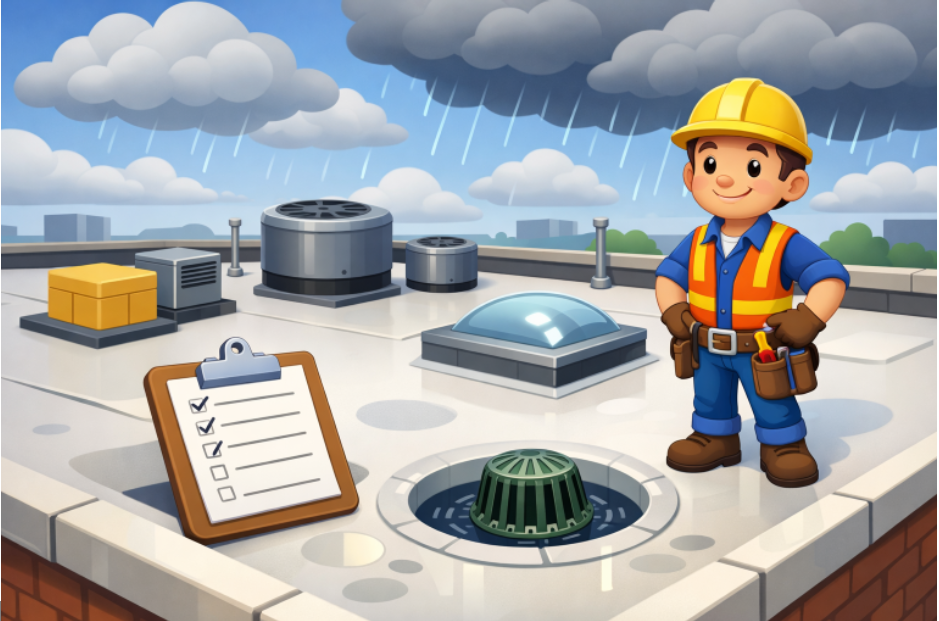
Poor drainage can quickly undermine an otherwise sound roofing system. Water that pools on a flat or low-slope roof can seep into seams or structural layers, potentially leading to leaks, rot, and compromised insulation. Ensuring clear, unobstructed drains and gutters is a year-round responsibility. Periodic cleaning, especially after storms or fall leaf drops, helps prevent blockages and water buildup. Properly designed drainage systems also help disperse the region’s high rainfall. Upgrading drainage components when re-roofing or implementing regular drain checks will help you handle both daily weather and unexpected downpours. Regular drainage inspection significantly reduces the risk of water intrusion and structural decay in commercial properties.
The Importance of Quality Installation
Even the best roofing materials can fail prematurely if not installed correctly. Experienced commercial roofing contractors understand how to assess substrate conditions, apply underlayment effectively, and adhere to manufacturers’ installation standards. Subpar work can lead to poor adhesion, uneven insulation, and hidden leaks that appear long after construction. Using licensed, manufacturer-certified installers ensures your roof qualifies for full warranty coverage. Quality assurance steps, such as post-installation inspections, catch any overlooked deficiencies before they become problems for building owners.
Addressing Leaks Promptly
Water infiltration is often the first visible sign of roof trouble. Even a small leak can result in significant structural problems, including framing rot, mold growth, and costly repairs to interior finishes. Responding quickly to the first signs of a leak is critical. Trained inspectors can trace leaks to their source, as water often travels behind membranes or along fasteners to locations far from the entry point. Timely leak identification enables targeted repairs that prevent further deterioration without requiring extensive replacement work.
Protecting Roofing Membranes from Damage
Your roofing membrane is the primary barrier against moisture, wind, and UV rays. In commercial environments, this layer can be damaged by dropped tools, foot traffic from HVAC maintenance, or wind-blown debris. Installing walkway pads and restricting roof access to authorized personnel are two effective steps to protect your roof surface. Regular membrane inspections, paired with gentle cleaning, eliminate small threats such as branches, gravel, or chemical spills that might degrade the material. This proactive approach extends your roof’s service life and reduces the risk of unexpected failures caused by punctures or excessive wear.
Understanding the Impact of Weather
Extreme Pacific Northwest weather, from windstorms to heavy rains, can put your commercial roof to the test. A resilient roofing system should be chosen and maintained with the local climate in mind. Blistering heat can cause expansion and contraction, while prolonged dampness may lead to moss or algae growth. Experts recommend scheduling inspections before and after storm seasons to prepare for seasonal shifts. Weather-related stress may also bring hidden vulnerabilities to light, so keep an eye out for loose flashing, popped fasteners, or pooling water after major weather events. Timely attention minimizes longer-term concerns and extends the life of your commercial roof.
Conclusion
Preventing commercial roofing problems ultimately comes down to a proactive, comprehensive approach. By scheduling regular inspections, maintaining drainage systems, ensuring professional installation, and promptly repairing issues as they arise, building owners can avoid costly failures. Ongoing attention and a relationship with a skilled roofing service provider set the foundation for a long-lasting, dependable roof over your investment.