Finding the right water heater for your home is a crucial step in maintaining comfort and controlling energy costs. Selecting a suitable unit involves understanding the types available, sizing them for your specific needs, and maintaining them to run efficiently for years. For families and homeowners in Utah and beyond, investing a bit of time up front can lead to years of reliable hot water, lower bills, and fewer disruptions. For expert support and personalized solutions, consult with professionals specializing in water heater repair & installation in Salt Lake City.
Whether you’re building new, upgrading, or dealing with an emergency replacement, this comprehensive guide will walk you through every aspect of choosing, sizing, maintaining, and replacing water heater systems. You’ll also find tips on maximizing energy efficiency, keeping costs low, and taking advantage of available incentives for eco-friendly and budget-conscious homeowners.
Types of Water Heaters
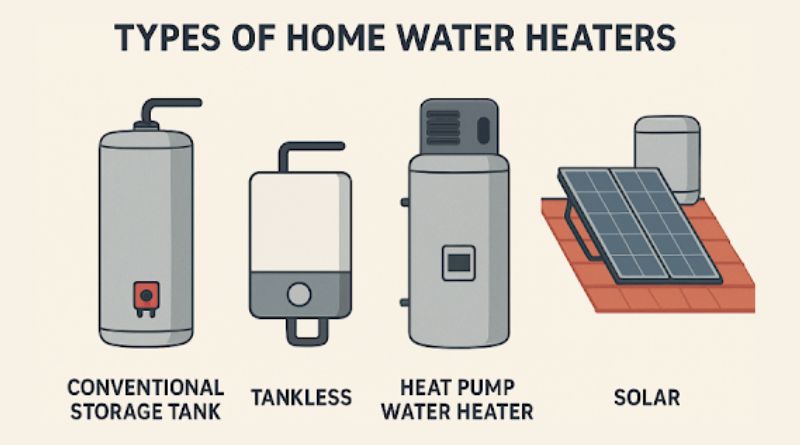
There are several types of water heaters designed to serve different household sizes, hot water needs, and budgets:
- Conventional Storage Water Heaters:These tanks heat and store water for continual use, but can lose heat even when idle, resulting in higher energy bills for some households.
- Tankless (On-Demand) Water Heaters: These units heat water as it flows through the system, eliminating standby energy loss and supplying hot water only as needed.
- Heat Pump Water Heaters: Utilizing ambient air to warm water, these models are two to three times more energy-efficient than traditional electric tanks and significantly reduce long-term costs.
- Solar Water Heaters: Harnessing the sun’s energy, solar systems can be highly effective and sustainable in sunny regions, though initial installation costs can be higher.
Choosing the Right Size
When it comes to water heaters, size truly matters. An undersized water heater will leave you frustrated with sudden cold showers, while an oversized one wastes money and energy. Here are general guidelines for tank water heater capacities:
- 1–2 people: 30–40 gallon tank
- 3–4 people: 40–50 gallon tank
- 5+ people: 50–80 gallon tank, or consider multiple units or tankless systems
For tankless units, calculate the simultaneous flow rate and temperature rise required, factoring in all appliances and fixtures you expect to use simultaneously.
Energy Efficiency Considerations
With energy costs rising and environmental consciousness growing, efficiency is a top priority. Look for water heaters featuring high Uniform Energy Factor (UEF) or Energy Factor (EF) ratings. Among available options, heat pump water heaters stand out for their ability to use a fraction of the electricity of standard electric units—often slashing annual bills by hundreds of dollars.
Solar water heaters capitalize on free solar energy, making them highly sustainable for regions with ample sunlight. Additionally, tankless models help reduce waste by heating water on demand.
Installation and Maintenance Tips
Proper installation is crucial for performance, safety, and warranty coverage. It’s strongly recommended to hire a licensed plumbing professional to ensure all building codes and safety standards are met—incorrect setup can lead to leaks or dangerous malfunctions. After installation, routine maintenance will extend the life of your water heater:
- Annual tank flushing: Remove sediment buildup that reduces efficiency and shortens tank lifespan.
- Inspect T&P valve: Test this vital safety component at least once a year.
- Check for corrosion or leaks: Regular inspections can catch problems early, avoiding unexpected breakdowns.
Get step-by-step maintenance tips and checklists in this practical resource from Consumer Reports’ water heater maintenance guide.
Signs It’s Time to Replace Your Water Heater
Water heaters typically last 8 to 12 years, but several warning signs indicate when replacement may be due:
- Hot water runs out more quickly than before
- Water appears rusty or discolored
- Odd noises like popping or rumbling from the tank
- Visible leaks, corrosion, or pooling around the base
Addressing these issues early can prevent costly water damage and improve energy efficiency.
Cost and Incentives
The initial price of a new water heater varies by type and size. Conventional electric or gas tanks are usually the most affordable, while tankless, heat pump, and solar units involve a higher upfront investment but lower long-term costs. To offset some of these costs, many homeowners can take advantage of rebates and federal incentives. Current federal tax credits of up to $2,000 are available for qualified heat pump water heaters through 2025; additional state or local programs may also be applicable. For example, New York residents can stack rebates with credits to save over $3,000 on an energy-efficient upgrade, potentially.
Conclusion
Choosing a water heater is about more than staying warm through the winter. It’s an investment in your family’s comfort, your home’s efficiency, and your utility budget. By understanding system options, sizing requirements, energy considerations, and available incentives, homeowners can make a wise, future-proof decision that delivers reliable hot water for years to come. Regular maintenance and timely upgrades will further ensure you get the best performance possible, every single day.