Historic homes continue to inspire homeowners and designers who value craftsmanship, character, and a sense of connection to the past. From intricate moldings and hardwood floors to tall windows and detailed facades, traditional architectural elements offer warmth and authenticity that remain appealing today. At the same time, modern living calls for open layouts, energy efficiency, and updated materials that support comfort and functionality. Blending these priorities requires thoughtful planning and an understanding of both historical context and present-day needs.
Design professionals, including architects in Ardmore, PA, often work with homeowners to preserve defining features while introducing subtle contemporary updates. This can involve restoring original details, reconfiguring interior spaces for better flow, or incorporating modern systems without compromising structural integrity. By carefully balancing preservation and innovation, historic residences can evolve to support current lifestyles while maintaining the charm and architectural significance that make them unique.
Preserving Original Architectural Details
Original architectural details are the heart and soul of historic homes. Fireplaces with ornate mantels, decorative stained glass windows, and custom millwork all contribute to a sense of place and history. Preserving these features allows homeowners to enjoy craftsmanship that is rarely replicated in new builds. Restored banisters, detailed ceiling medallions, and classic masonry work do not just serve as conversation pieces; they provide a tactile connection to the generations who have occupied the home before.
These historic elements, when thoughtfully restored, can even increase a property’s value. Restoring original detail is one of the most effective ways to enhance both the appeal and worth of an older home. Even minor restoration, such as repairing crown molding or refinishing hardwood floors, can transform an ordinary space into one brimming with timeless character.
Integrating Modern Materials and Technologies
Achieving the perfect blend of old and new means selecting modern materials that complement, rather than overpower, historic elements. Choices such as wide-plank white oak floors or soapstone countertops pair beautifully with original stone hearths or antique cabinetry. Discreetly integrating modern conveniences like radiant floor heating, smart thermostats, and energy-efficient windows keeps spaces livable for today’s families without compromising character.
Lighting and electrical upgrades are also essential in bringing historic living spaces up to modern codes. Hidden wiring, recessed lighting, and subtle fixtures can be installed with minimal disruption to original details, allowing the home to serve modern needs while retaining its classic ambiance. Homeowners can take inspiration from guides to successful historic renovations published by renowned design publications, ensuring each decision stays true to the house’s original vision.
Adaptive Reuse of Historic Structures
Adaptive reuse transforms historic structures into vibrant living spaces fit for modern life, while preserving the building’s original features and soul. Former factories become loft-style condos, old barns are reborn as luxurious homes, and decades-old schools find new life as unique apartments. This approach not only maintains a community’s cultural heritage but also contributes to environmental sustainability by reducing the need for new materials and construction.
Successful adaptive reuse projects require careful planning to respect the building’s original identity. Structural reinforcements, updated plumbing and electrical, and enhanced insulation can all be achieved without erasing the building’s unique character.
Balancing Heritage and Innovation
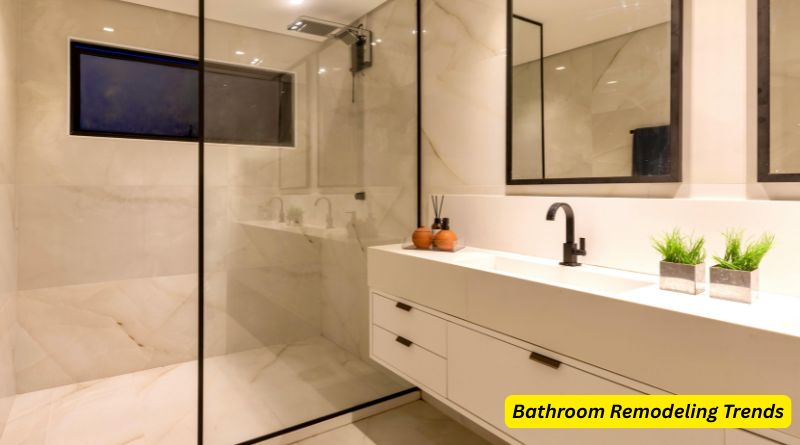
Finding harmony between historic authenticity and modern function means making intentional choices about what to preserve and where to innovate. Open-plan interiors may require removing non-structural walls while leaving historic support beams intact. Kitchens and bathrooms can be updated with modern fixtures, but cabinetry might feature period-appropriate hardware and finishes. When done well, these homes become celebrations of both tradition and progress.
Collaboration between skilled architects, preservationists, and homeowners is the recipe for success. Their combined expertise guides sensitive upgrades that respect the original architecture while providing the level of comfort and efficiency expected today. It is a process that rewards patience and creativity, resulting in spaces that celebrate history without feeling outdated.
Conclusion
Embracing historic home design trends for modern living offers a remarkable opportunity to create unique, beautiful, and functional homes. By thoughtfully preserving original architectural details, introducing modern amenities, and balancing heritage with innovation, homeowners can enjoy living spaces that provide both comfort and a meaningful connection to the past. As appreciation for craftsmanship and sustainability grows, more people are discovering the unmatched value that historic homes reimagined for modern life can offer.