Key Takeaways
- Decks are elevated, offering better views and working especially well on uneven landscapes.
- Patios are ground-level, seamlessly blending into the yard and requiring less upkeep.
- Consider materials, maintenance, and budget when choosing between a deck and a patio.
- Combining decks and patios can maximize versatility and style in your outdoor space.
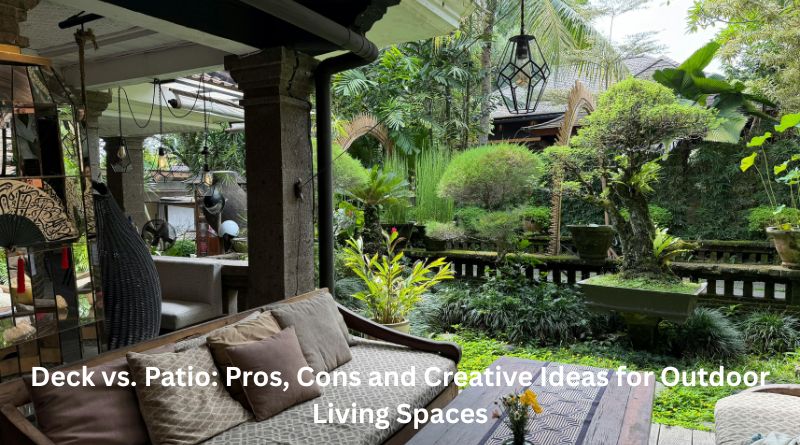
Enhancing your outdoor space can transform your home, providing the perfect setting for both relaxation and entertaining guests. As you embark on this renovation journey, deciding between a deck and a patio is a critical step, as each offers unique advantages and fits different needs. The patio vs deck debate involves factors such as aesthetics, practicality, and budget. Learning the key differences will guide you toward the ideal solution that will complement your home’s style and landscape.
Decks are typically elevated, giving you spectacular views and working well for homes on sloped lots. Patios are built directly on the ground and seamlessly blend into the surrounding yard, creating a grounded space that’s low-maintenance and inviting. By understanding how each structure can enhance your outdoor living space, you can make an informed decision that aligns with your lifestyle and future plans.
When considering which to choose, weigh the benefits of each in terms of design flexibility, required maintenance, and overall cost. Both options can significantly increase your home’s value and curb appeal, making your investment worthwhile. Ultimately, both patios and decks can be customized with creative touches such as lighting, built-in seating, and fire features to create a unique retreat outside your door.
For more inspiration on outdoor space upgrades and trends, you can explore resources from reputable sites like HGTV, which provides helpful visuals and further ideas to elevate your backyard transformation.
Understanding Decks and Patios
Both decks and patios are great investments for expanding your living space, but they are structurally different. Decks are typically raised platforms constructed from wood or composite materials. They often connect directly to the house and are ideal for sloped properties or those seeking a vantage point. In comparison, patios are ground-level areas made from concrete, pavers, brick, or stone, perfectly suited for flat lots and those who want a more natural, integrated look in their backyard.
Pros and Cons of Decks
Pros:
- Elevation and Views: Decks can be built at various heights, offering expansive views that add to your outdoor experience.
- Versatility: Decks can feature multi-level layouts, built-in seating, planted boxes, and cooking zones, tailoring the space to your needs.
- Added Value: A new deck often increases home value and catches the eye of buyers, according to Forbes Home.
Cons:
- Maintenance: Decks built from wood require regular care, such as staining, sealing, and repairs to keep them safe and attractive.
- Installation Cost: Building a deck usually costs more up front due to the materials and the need for support structures.
- Permitting: Most decks require building permits and must meet local codes, adding time and complexity to your project.
Pros and Cons of Patios
Pros:
- Durability: With materials like concrete or stone, patios withstand harsh weather and heavy use for many years.
- Lower Cost: Patios are generally less expensive to install, especially for properties with level yards.
- Minimal Maintenance: Regular cleaning is usually all that is required, with no need for painting or staining.
Cons:
- Site Limitations: Patios work best on flat ground; building on a slope needs additional groundwork, which adds cost.
- Potential for Cracks: Large concrete areas may develop cracks over time if the soil shifts or due to freeze-thaw cycles.
Material Options and Maintenance
Material selection impacts the look, durability, and ongoing upkeep of outdoor spaces. Decks can be made of:
- Pressure-treated wood: Most affordable, requires regular staining and sealing to prevent rot and insects.
- Composite materials: Blend of wood fibers and plastic, offering low upkeep and resistance to decay.
- Hardwoods: Dense, attractive, and long-lasting, but require significant investment and careful maintenance.
For patios, you might choose:
- Concrete: Versatile and cost-effective, can be stamped or colored; may crack if not installed correctly.
- Pavers: Durable, available in many shapes and colors, and easy to repair by replacing individual pieces.
- Natural stone: Luxurious and tough, stone patios offer timeless appeal at a premium price.
Cost Considerations
Budget plays a crucial role in deciding between a deck and a patio. Patios are typically more cost-effective, ranging from $6 to $10 per square foot for poured concrete. Decks start at about $15 to $25 per square foot due to construction complexity and additional materials like joists and railings. Deck costs increase with size, materials, and custom features. Remember to account for maintenance expenses over time, as wood decks in particular require routine upkeep to stay in shape.
Creative Design Ideas
- Multi-Level Decks: Design different tiers for dining, seating, and cooking to give each zone a distinct character.
- Integrated Lighting: Use LED rope lighting on steps, railings, or benches for both beauty and safety.
- Fire Features: Add a built-in fire pit or fireplace to enjoy the outdoors longer into the night and in cooler seasons.
- Water Elements: Install a fountain or small pond to bring a calming atmosphere to your patio or deck area.
- Outdoor Kitchen: Include a grill, counter space, and storage to make your backyard the perfect spot for entertaining.
Combining Decks and Patios
For truly versatile outdoor living, consider combining both a deck and a patio. This approach gives you multiple zones to suit different activities and can resolve elevation challenges within your landscape. For example, raise a deck off the kitchen for dining and entertaining, then step down to a patio with a fire pit or lounge area on the lawn. With careful design, these elements can integrate beautifully, creating an outdoor retreat that feels cohesive and functional.
Conclusion
Choosing between a deck and a patio, or blending them into a joint design, involves balancing site conditions, budget, and maintenance willingness. Both can provide aesthetic appeal, lifestyle value, and increased resale potential. Factor in creative details to personalize your space, ensuring your outdoor living area is as inviting as your interior. With thoughtful decisions and inspiration from expert sources, you can create a backyard haven that meets all your needs for years to come.