Key Takeaways
- Integrating architecture with nature enhances both aesthetic appeal and environmental sustainability.
- Utilizing natural materials and passive design strategies can improve energy efficiency and occupant well-being.
- Successful examples worldwide demonstrate the benefits of blending homes with their natural surroundings.
Table of Contents
- Conducting a Thorough Site Analysis
- Utilizing Natural Materials
- Implementing Passive Design Strategies
- Creating Seamless Indoor-Outdoor Transitions
- Conclusion
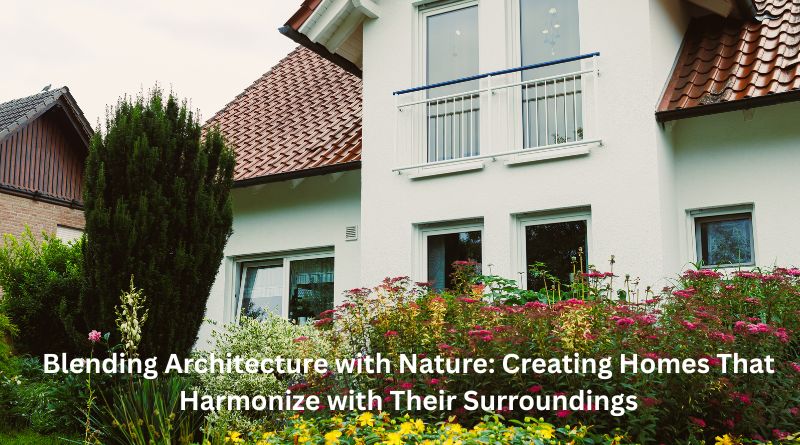
Creating a home that feels deeply connected to its natural surroundings requires more than design flair; it demands a philosophy that values the environment as an essential partner in the building process. By thoughtfully blending structures with the landscape, homeowners achieve residences that not only look stunning but also function in harmony with the local ecosystem. In fast-growing communities such as Kirkland, choosing Kirkland modern homes that embody these principles is becoming an increasingly popular, forward-thinking decision.
A home thoughtfully designed to complement its site and habitat contributes to a lifestyle that is intrinsically healthier for both residents and the environment. Sustainable design practices reduce the building’s ecological footprint, enhance energy efficiency, and create restorative spaces filled with daylight and fresh air.
Natural building materials, passive solar strategies, and transitions that erase the boundary between indoors and outdoors have sparked a shift in perspective among builders and homeowners alike. This approach enables families to embrace the unique benefits of their surroundings year-round, while enjoying energy savings and enhanced well-being.
Conducting a Thorough Site Analysis
Every successful project starts with a deep understanding of the land it occupies. A thorough site analysis involves more than a survey and boundary check; it delves into the property’s topography, soil conditions, vegetation, and unique microclimates. Observing patterns of sunlight, shade, and prevailing wind directions helps the architect determine the ideal orientation of the building. This information guides the design process, enabling the creation of floor plans and landscape strategies that minimize disruption to the site and maximize benefits such as natural light and scenic views.
Attention to these environmental factors shapes everything from entry placement to the arrangement of outdoor living spaces. When a home is thoughtfully positioned in relation to the sun’s path and existing natural features, it becomes inherently more comfortable and energy-efficient.
Utilizing Natural Materials
The use of natural, locally sourced materials is central to blending homes with their environments. Materials such as wood, stone, and clay not only connect buildings visually to the landscape but also reduce the carbon footprint associated with transportation and processing. These materials are often more durable and, over time, develop unique patinas that further connect the structure to its setting.
Sourcing materials responsibly can support local economies, encourage sustainable forest or quarrying practices, and imbue the home with a sense of place that manufactured materials can seldom replicate. For example, timber framing not only blends beautifully with wooded surroundings but can also sequester carbon if harvested sustainably.
Implementing Passive Design Strategies
Passive design maximizes comfort and energy conservation by leveraging the site’s natural resources. Strategic window placement, thermal mass materials, and appropriately sized overhangs keep interiors cool in summer and warm in winter, minimizing the demand on mechanical heating and cooling systems. For instance, south-facing windows can capture solar heat during colder months, while deciduous trees or deep eaves block harsh summer sun.
Natural ventilation is another pillar of passive design. By arranging windows and vents to harness cross-breezes, homes remain fresh and comfortable, enhancing indoor air quality and reducing energy costs. Integrating passive techniques as early as possible in the planning phase is one of the best ways to ensure long-term sustainability and savings.
Creating Seamless Indoor-Outdoor Transitions
Homes that harmonize with nature rarely draw strict lines between inside and out. Instead, design features such as large sliding doors, floor-to-ceiling windows, and consistent flooring help blend the boundary, allowing outdoor spaces to feel like extensions of the interior and vice versa. Covered patios, terraces, and decks offer a comfortable way to spend more time outdoors, enjoying fresh air and connection to the landscape year-round.
Materials and colors inspired by the surrounding environment also help ease the transition between indoor and outdoor spaces. Visual continuity, like a stone floor running from a living room out onto a patio, draws the eye outward and pulls nature into daily living routines.
Conclusion
Harmonizing a home with its natural surroundings is a design philosophy that yields both immediate and lasting rewards. By starting with comprehensive site analysis, choosing natural materials, implementing passive solar design, and blurring the distinction between indoor and outdoor spaces, homeowners cultivate residences that are sustainable, beautiful, and deeply connected to their unique environments. This integrated approach not only enhances the quality of life for occupants but also leaves a positive legacy for the land itself.