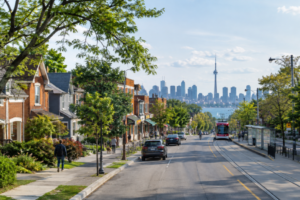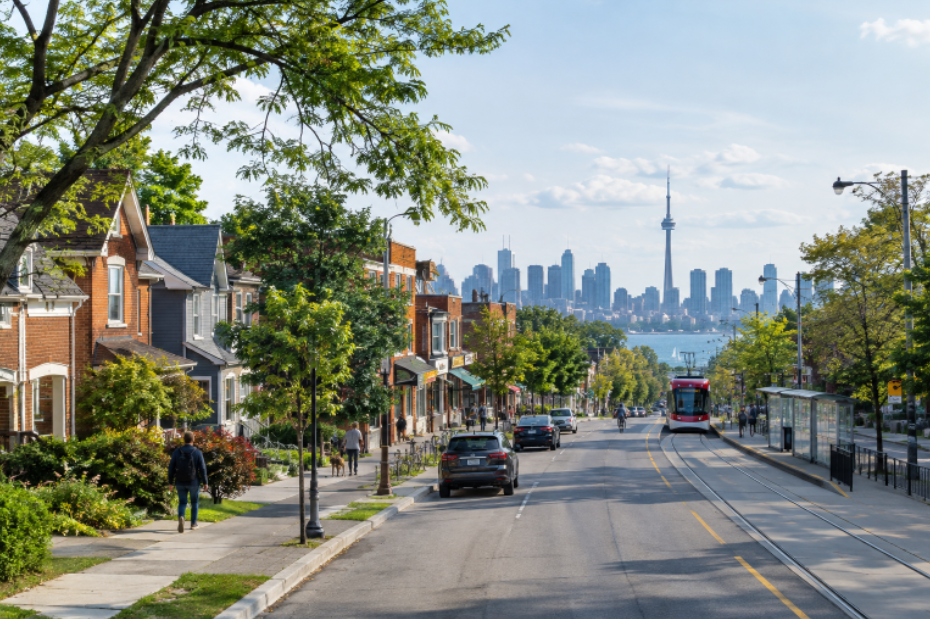
Buying in Toronto means choosing more than a property. The street, commute, nearby services, housing mix, and pace of change will shape everyday life long after closing day. Before becoming attached to a listing, compare neighborhoods using the same criteria, so the decision is based on practical fit, not just a great kitchen or staging.
For buyers focused on the east end, Toronto CA real estate experts DeClute Real Estate provide buying and selling support across communities including The Beaches, Birch Cliff, The Bluffs, and surrounding East Toronto areas. DeClute Real Estate is a family-led local team with four generations of experience in the area, making its neighborhood knowledge useful when buyers need to compare housing styles, local amenities, and market conditions from a street-level perspective.
1. Start With Daily Life, Not Just the Listing Price
A neighborhood that looks affordable on paper can become expensive in time, transportation, and routine stress. Begin with the way you actually live. Consider where you work, how often you travel, who needs to get to school or childcare, where you buy groceries, and how you spend weekends.
Write down three non-negotiables and three preferences before booking viewings. A non-negotiable might be a manageable commute, a ground-level entrance, or proximity to family. A preference might be a larger yard, a particular café district, or a short walk to the waterfront. This list helps keep a beautiful home from distracting you from a poor daily fit.
2. Set a Realistic Budget
Compare the full monthly cost of ownership, not the purchase price alone. Include mortgage payments, property taxes, insurance, utilities, maintenance, parking, and condominium fees where applicable. Buyers of older homes should also set aside funds for repairs, while condo buyers should review the status certificate and understand which fees are covered.
Use comparable homes, not citywide averages, to evaluate affordability. A downtown condo, an East York semi-detached home, and a Scarborough detached home have different price structures, operating costs, and buyer pools. Leave room for closing costs, moving expenses, and emergency savings rather than committing every available dollar to the down payment.
3. Compare Every Area With the Same Checklist
A simple scoring method makes it easier to objectively assess two or three contenders. After each visit, score the following categories from one to five and add short notes explaining your rating:
- Housing cost: Recent sales and current asking prices for the same property type.
- Transit access: Actual walking time to a station, stop, or GO route.
- Daily services: Groceries, pharmacies, health care, libraries, and practical errands.
- Outdoor space: Parks, ravines, playgrounds, trails, and waterfront access.
- Noise and traffic: Conditions in the morning, evening, and on weekends.
- Future change: Nearby construction, road work, transit projects, and zoning activity.
4. Test the Commute in Real Conditions
Maps can make two locations appear equally close, even when one involves multiple transfers, difficult parking, or a long uphill walk. Test the trip at the time you expect to make it. If possible, try transit, driving, walking, and cycling routes before writing an offer.
Think beyond the usual weekday commute. Winter weather, school drop-offs, late-night travel, visitors, and access to major roads can all affect whether a location remains convenient. Transit access can support convenience and buyer demand, but it should be one part of a broader neighborhood assessment.
5. Look Beyond the Home’s Four Walls
Walk several blocks in every direction from the property. Notice sidewalks, crossings, tree cover, local retail, street lighting, traffic flow, and the condition of nearby homes. Visit at different times because a quiet afternoon can feel very different during rush hour or a busy summer evening.
Schools, parks, community centers, and services can matter even for buyers without children, as they influence routines and the character of an area. The City’s neighborhood profiles can also help buyers compare local demographic and community information across Toronto’s 158 neighborhoods.
6. Review Local Market Conditions, Not Headlines
Toronto is not one uniform market. Conditions can differ between neighborhoods and between detached homes, semis, townhomes, and condos in the same area. Review recent comparable sales, active listings, days on market, sale-to-list-price patterns, and the condition of each home.
Do not treat an asking price as a market value. Some listings are positioned to attract attention, while others are priced closer to the seller’s expectation. Compare homes with similar size, location, lot characteristics, condition, parking, and renovation quality before deciding what an offer should reflect.
7. Check Future Development and Change
A quiet block may not stay quiet. New mid-rise buildings, road reconstruction, utility work, school changes, or transit improvements can alter traffic, shade, noise, and access. Review municipal planning information for the immediate area, including sites across the street or behind the property.
Future change is not automatically negative. New services and improved transit may add convenience, while prolonged construction may be disruptive. Confirm important planning details with the City, your lawyer, or another qualified professional rather than relying on informal neighborhood discussion.
8. Consider Climate and Property Risks
During viewings, pay close attention to the basement, grading, roof, windows, foundation, drainage, and signs of moisture. Ask about previous water intrusion, sump pumps, backwater valves, insurance claims, and maintenance records. These questions are particularly important for lower-level living spaces and older homes.
Toronto identifies warmer conditions, heavier short-duration rainfall, flooding, and erosion among the climate risks that can affect homes and infrastructure. Its climate-readiness planning is a useful reminder to consider drainage, shade, stormwater flow, and access during severe weather. Arrange an inspection and confirm insurance availability before removing conditions.
9. Questions to Ask Before Making an Offer
- What have closely comparable homes sold for recently?
- What repairs or replacements may be needed within five years?
- What are the typical tax, utility, maintenance, and condo costs?
- Are development applications or major construction projects nearby?
- Has the home or street experienced drainage or flooding issues?
- How workable is the commute during peak hours and in winter?
- Would this home still work after a change in job, family, or lifestyle?
10. Avoid Common Buyer Mistakes
Avoid choosing an area based solely on social media, online photos, or a single pleasant weekend visit. Do not compare condo prices directly with detached-home prices, ignore operating costs, or skip due diligence simply to make an offer appear stronger. A popular neighborhood is not necessarily the best neighborhood for your budget and routine.
Choose the Best Fit, Not the Loudest Trend
There is no perfect Toronto neighborhood for every buyer. The strongest choice is the one that fits your finances, commute, household needs, and comfort with future change. By comparing the home, street, services, property risks, and local market together, you can make an informed offer with greater confidence.