Living near the water is great for you, and hard on your garage door. Here’s what salt air and humidity do to the moving parts, and how to keep your door working for years.
The garage door is the largest moving object in most homes. It also takes the full force of the weather every day. Coastal homes get a tougher version of that: salt carried on the breeze, humidity that rarely lets up, intense sun, and a storm season that tests every seal and bracket.
Most homeowners don’t think about the door until it groans, sticks, or refuses to open on a rainy morning. By then the trouble has usually been building for months. The good news is that a little coastal-specific care goes a long way.
What Coastal Weather Does to a Garage Door
Salt speeds up corrosion. Salt particles settle on springs, cables, hinges, rollers and tracks. Mixed with moisture, they eat at bare and coated steel far faster than in an inland climate. Springs and cables are the parts at most risk, and they carry the most tension.
Humidity breaks down lubrication. Constant moisture washes out grease and leaves rollers and hinges dry, gritty, or seized. That’s when doors start to squeal, shudder, or jerk partway up.
Sun cooks the seals. UV exposure dries out the rubber weather seal along the bottom of the door. Once it cracks or flattens, rain, sand, insects and hot air get into the garage.
Storms stress the whole system. High winds push hard on a door’s large surface. A door with loose hardware, worn panels, or no wind bracing is more likely to flex, jump its tracks, or fail in a storm.
A Simple Coastal Maintenance Routine
Every month
- Rinse the outside of the door with fresh water to remove salt buildup, especially after a windy week.
- Watch and listen as the door runs. Note any grinding, jerking, or a door that drifts down when it should stay open.
- Test the auto-reverse: place a roll of paper towels in the door’s path. The door should reverse on contact.
Every three months
- Lubricate hinges, rollers and springs with a garage-door-rated silicone or lithium spray. Skip heavy grease, which traps sand and salt.
- Wipe the tracks clean, but don’t lubricate them.
- Check the bottom seal for cracks, gaps, or stiffness.
Every year
- Look closely for rust on springs, cables, and brackets. Pitting or fraying means it’s time for a professional.
- Check the balance: disconnect the opener and lift the door by hand to waist height. A balanced door stays put. One that slams down or shoots up needs a spring adjustment by a technician.
- Before storm season, confirm the door’s wind rating and bracing are right for your area.
Upgrades worth considering when you replace parts
- Galvanized or coated springs and stainless or nylon hardware hold up better in salt air.
- Nylon rollers run quieter than bare steel and won’t rust.
- Wind-rated doors and retrofit bracing kits add real protection in hurricane-prone areas.
Know Where DIY Ends
Rinsing, lubricating, and checking seals are safe homeowner jobs. Springs and cables are not. A torsion spring holds enough tension to lift a door that weighs a couple hundred pounds, and it can cause serious injury if it releases suddenly.
“Rust weakens them from the outside in, so they often snap with little warning. If you see rust on a spring, or the door suddenly feels heavy, stop using the opener and have it looked at. Don’t try to wind or replace it yourself.”
Call a professional if you notice any of these:
- A loud bang from the garage, followed by a door that won’t lift
- Frayed, rusted, or loose cables
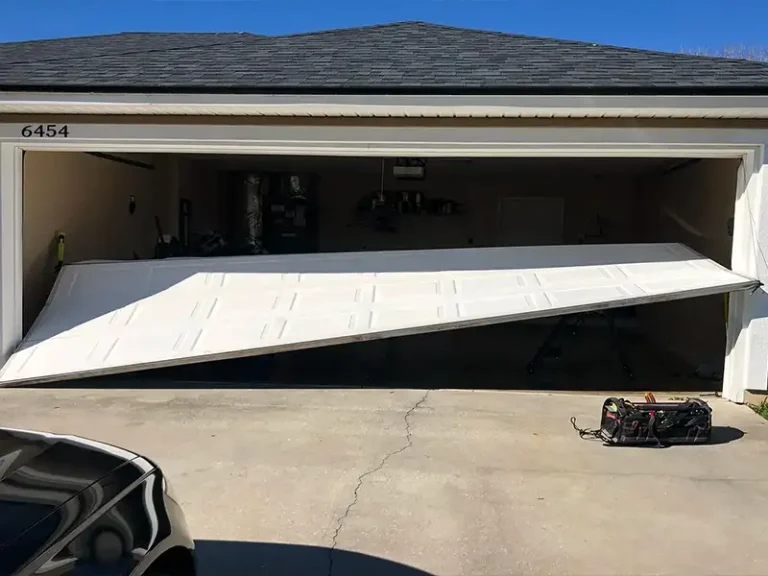
- A door that’s crooked, off its tracks, or closing unevenly
- An opener that runs but barely moves the door
- Bent tracks or panels after a storm
A good technician will explain what’s wrong and give you the price before any work starts. They’ll also tell you honestly whether a repair or a replacement makes more sense.
The Bottom Line
Coastal weather won’t go easy on your garage door, but it doesn’t have to beat it. A monthly rinse, regular lubrication, and a yearly look at springs and seals will catch most problems early. Leave the high-tension work to a pro, and your door can keep running smoothly through many salty, sunny, stormy seasons.
About the author: America’s Garage Doors is a family-owned garage door company that has served Northeast Florida for over 28 years. Founded by two brothers, the company still works out of the same Jacksonville Beach shop, handling residential and commercial garage door repair, installation, and maintenance Contact Us.