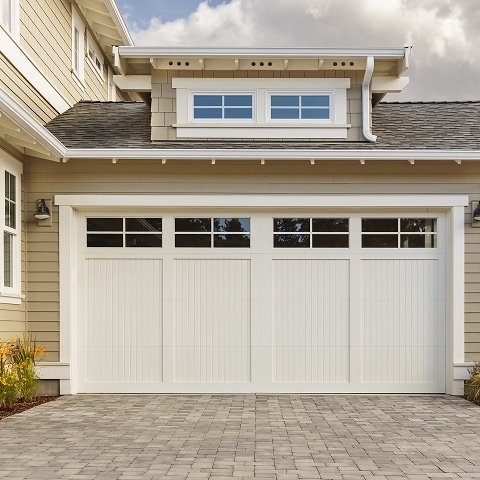
Before you rent a storage unit, look up. The walls, the ceiling, and the attic above your garage may hold more usable space than you think. Here’s how to use it without getting in the way of your garage door.
For many households, the garage becomes the place where things go to be forgotten: holiday bins, sports gear, half-finished projects, and boxes from the last move. Eventually the car ends up in the driveway.
Your garage probably isn’t too small. Most of its space is just vertical and overhead, and it goes unused. With a plan, the same footprint can hold more, stay tidier, and still leave room to park.
Start With a Clear-Out and a Zone Plan
Every good garage system starts by getting rid of what you don’t use. Sort everything into keep, donate, sell, and toss. Be honest about the treadmill.
Then group what’s left into zones based on how often you reach for it:
- Daily-use zone: near the house door. Shoes, bags, recycling, pet supplies.
- Weekly zone: along the side walls at waist to shoulder height. Tools, garden gear, sports equipment.
- Seasonal zone: up high or overhead. Holiday decor, camping gear, off-season clothing.
- Long-term zone: the attic. Keepsakes, archived paperwork, items you need yearly or less.
Put Your Walls to Work
Walls are the easiest space to claim. Slatwall panels and track rail systems let you hang tools, bikes, ladders, and bins, then rearrange as your needs change. Pegboard works well above a workbench for small hand tools.
Use sealed, clear or labeled bins rather than cardboard. Cardboard breaks down in garage humidity and draws pests.
Go Overhead, but Mind the Door
Ceiling-mounted racks can hold a surprising amount, but this is where many DIY projects go wrong. The space above your garage door is already in use. The door, its tracks, and its opener need a clear path to travel.
Before you install anything overhead:
- Open the door fully and note exactly where the panels, tracks, and opener rail sit.
- Keep racks clear of that whole path, with extra room for the door to move.
- Anchor into ceiling joists, not drywall, and stay within the rack’s weight rating.
- Keep the heaviest items lower and the lightest bins on top.
- Never hang storage from the door’s tracks, brackets, or opener rail. They aren’t built for extra load, and stressing them can throw the door out of alignment.
Don’t Forget the Attic
If your garage has attic space above it, it can be some of the best long-term storage in the house. The problem is usually getting up there. A wobbly stepladder and a pull-down hatch are a risky way to haul boxes.
A properly installed attic ladder makes that space practical. When choosing one:
- Measure the ceiling height and the rough opening before you buy.
- Choose a weight rating that covers you and what you’re carrying.
- Make sure it swings down and stands well clear of the garage door’s path.
- Add a light and a few plywood panels across the joists so you have a safe place to step and set boxes.
When to Bring in a Pro
Shelving and wall hooks are a fine weekend project. Some jobs are worth handing off:
- Overhead racks that will carry heavy loads, or ceilings where you can’t easily find the joists
- Cutting a new attic opening, or replacing an old pull-down ladder
- Any storage that sits close to the garage door’s tracks, springs, or opener
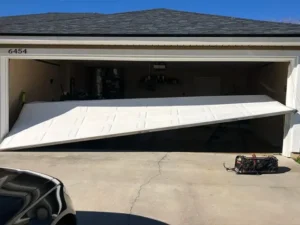
- A door that starts sticking, scraping, or reversing after you’ve added storage
“We get called out to a lot of doors that stopped working right after an organizing weekend,” says the team at Big Foot 247. “A rack hangs an inch too low, or a bin gets wedged near the track, and suddenly the door is binding or the opener is straining. A few minutes of planning around the door’s path saves a repair call.”
Don’t try to adjust or remove garage door springs to make room for storage. They’re under high tension and can cause serious injury. Leave that to a trained technician.
The Bottom Line
A cluttered garage is usually a planning problem, not a space problem. Clear it out, sort by how often you use things, and build up the walls, the ceiling, and into the attic. Keep the garage door’s path clear, and you’ll get your parking spot back without creating a new repair.
About the author: This article was contributed by the team at Big Foot 247, a family-owned, licensed garage door company serving Oklahoma City and surrounding communities. The company handles residential and commercial garage door repair and installation, garage storage systems, and attic ladder installation Contact Us.