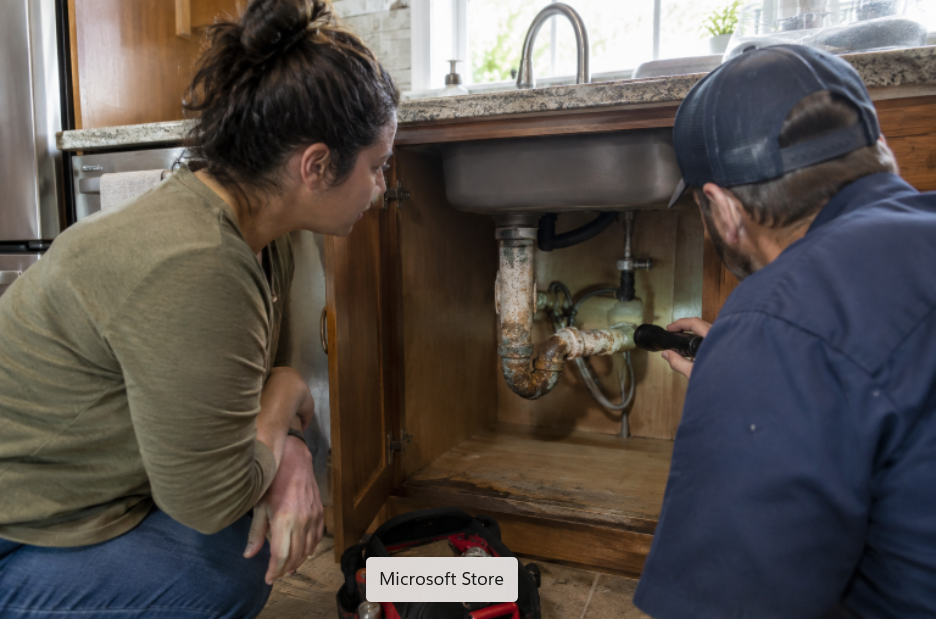
For Katy homeowners, pipe trouble often starts quietly. A small ceiling stain, a damp cabinet floor, or a leak behind a wall can seem manageable at first. However, plumbing supply lines can fail out of sight, and repeated repairs in separate rooms may indicate that multiple small sections are aging. Recognizing these patterns early can help homeowners decide when a broader plumbing evaluation may be worthwhile.
Before deciding on a patch or replacement, it helps to have the full system evaluated. Experienced whole house repiping specialists in Katy TX can help identify whether the problem involves a fitting, a single branch line, or pipes throughout the home. A clear assessment can provide useful information for planning repairs and understanding the condition of the plumbing system.
Why Pipe Problems Often Grow Slowly
Water pipes run behind drywall, beneath floors, through attics, and sometimes below concrete slabs. That makes early damage easy to miss. A repaired pinhole leak may solve an immediate problem, but another failure elsewhere can follow if the pipe material has widespread corrosion or wear. In Katy’s humid climate, even a slow, hidden leak can create conditions that call for prompt drying and repair.
Seven Signs That Pipes May Need More Than a Patch
- Leaks return after previous repairs.
- Water appears brown, orange, or rusty after sitting in the pipes.
- Pressure is weak at several fixtures, not just one faucet.
- Visible pipes show rust, scale, green staining, or corrosion.
- Older copper lines can develop multiple pinhole leaks.
- An older home has gray polybutylene piping.
- Damp spots, mold-like odors, unexplained moisture, or rising water bills appear.
None of these signs automatically means a whole-home repipe is necessary. A qualified inspection should determine whether the concern is isolated to a fixture or branch, or whether it affects the wider water supply system.
Repair, Partial Replacement, or Whole-Home Repiping?
- Spot repair: This is often appropriate for a single damaged fitting, valve, connector, or a short section of pipe when the surrounding plumbing remains sound.
- Partial replacement: Replacing pipes serving one bathroom, kitchen, floor, or recurring problem area can be practical when the damage is limited.
- Whole-home repiping: This option is worth considering when leaks occur in multiple areas, corrosion is widespread, or old pipe materials are failing throughout the house.
A useful decision guide is simple: compare the number and location of failures, the age and material of the piping, the cost of repeated repairs, and how much older plumbing would remain after a partial project.
How Pipe Material Changes the Decision
Copper is a familiar residential material, but it can develop pinhole leaks under certain conditions. PEX is flexible, can be routed around framing with fewer fittings in some layouts, and is commonly used for replacement work. Galvanized steel can corrode internally and restrict water flow as it ages. Polybutylene, often gray, is an older plastic piping material that should be professionally evaluated when found.
Lead service lines require separate attention because they connect the public water main to a property and may involve both utility and homeowner responsibilities.
What Current Research Says About Lead Service Lines
Lead service line fact box: The U.S. Environmental Protection Agency estimates that about 4 million lead service lines still serve properties nationwide. Homeowners should contact their water utility before disturbing a suspected lead line, verify which portion of the line they own, and ask about available testing or replacement programs. The EPA’s announcement of $2.9 billion for lead pipe replacement shows the federal government’s commitment to identifying and replacing underground pipe materials that pose health risks.
How Water Quality and Local Conditions Affect Pipe Life
Pipe age matters, but it is not the only consideration. Water chemistry, mineral deposits, pressure, temperature changes, installation quality, soil movement, and the home’s layout can all affect plumbing performance. Two Katy homes built in the same year may have very different repair needs.
- Find the home’s construction year and any renovation records.
- Identify visible pipe materials near water heaters, sinks, and exterior connections.
- Review past leak and repair records.
- Note whether pressure issues affect one fixture or the entire house.
- Pay attention to unusual water color, taste, or odor.
What a Professional Pipe Assessment Should Include
A careful assessment may include visible pipe checks, pressure testing, leak detection, access-point inspections, and a review of previous repairs. Ask which sections are failing, whether the problem is localized, what old piping would remain after partial replacement, and how walls, flooring, cabinets, and landscaping will be protected.
How to Compare Project Costs Without Guessing
Repiping estimates vary with home size, fixture count, number of floors, pipe material, accessibility, slab construction, permit requirements, and restoration work. Compare written scopes, not just the lowest price. Each proposal should list pipe materials and sizes, include areas, expected shutoff periods, inspection steps, permit responsibility, restoration work, warranty terms, and follow-up service.
How to Prepare for a Repiping Project
- Clear cabinets, closets, and storage areas near likely access points.
- Move fragile belongings away from work zones.
- Confirm daily water shutoff expectations and worker entry points.
- Make a plan for children and pets around open walls, tools, and materials.
- Keep the proposal, permit information, schedule, and payment details together.
Cleanup and restoration should be addressed before work starts, including who will handle drywall, paint, flooring, or other finishes affected by pipe access.
Questions Homeowners Commonly Ask
Can One Leak Mean the Whole House Needs New Pipes?
Not necessarily. One isolated leak may only need a targeted repair. Multiple failures in different areas, repeated repairs, or widespread corrosion justify a broader inspection.
Is Partial Repiping a Good Compromise?
It can be, especially when one branch has failed, and the rest of the system is in good condition. It is less appealing when aging or fragile piping remains in several other areas.
How Long Does Pipe Replacement Take?
Timing depends on the home’s size, layout, access, selected material, and restoration needs. Request a written project schedule rather than relying on a general timeline.
Conclusion
New water pipes are not always the answer to one leak. They can become the more practical long-term choice when repairs keep returning, pressure problems affect the house, or older materials show widespread decline. A thorough assessment helps Katy homeowners choose among repair, partial replacement, and whole-home repiping with a clearer understanding of the costs, disruption, and future reliability.