Essential Components of Comprehensive Heating and Cooling Maintenance
Your home’s heating and cooling system is vital for year-round comfort, working tirelessly to keep temperatures just right. Yet, these essential systems often go overlooked until a problem arises. Neglecting their care can lead to unexpected breakdowns, higher energy bills, and even safety concerns. That’s why regular heating and cooling maintenance is not merely a recommendation; it’s a critical investment in your home’s efficiency, longevity, and safety. In this comprehensive guide, we will explore what a thorough maintenance visit entails, the significant benefits of consistent care, and how to choose the best plan to keep your HVAC system running smoothly for years to come.
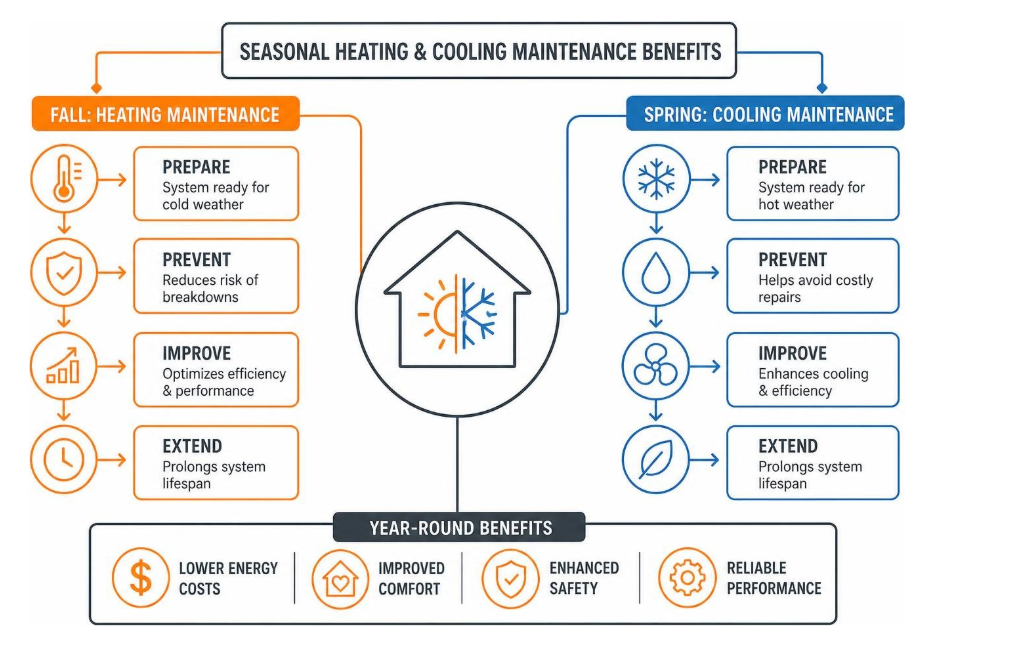
Regular maintenance is the cornerstone of a healthy HVAC system. Without it, your system can lose up to 5% of its efficiency each year, directly impacting your utility bills. Conversely, a well-maintained system can reduce energy consumption by as much as 15% annually. Beyond efficiency, consistent care helps prevent unexpected breakdowns, extends the lifespan of your equipment, and ensures the safety of your household. As of August 2026, homeowners are increasingly aware of the long-term value that proactive HVAC care provides.
When we talk about comprehensive heating and cooling maintenance, we’re referring to much more than a quick visual check. A proper preventive tune-up involves a detailed inspection, cleaning, and testing of numerous components to ensure your system operates at peak performance and safety. This meticulous approach addresses wear and tear before it escalates into costly repairs, ultimately safeguarding your comfort and your investment.
During a maintenance visit, technicians perform a series of critical evaluations. This includes a static pressure evaluation, which measures the resistance to airflow within your ductwork, identifying potential blockages or leaks that can hinder efficiency. Electrical inspections are also paramount, checking wiring, connections, and controls for any signs of wear, corrosion, or faulty operation that could lead to electrical hazards or system failure. Additionally, coil rinsing, particularly for the outdoor condenser coil, is vital to remove accumulated dirt and debris, which can severely impede heat transfer and force your system to work harder, consuming more energy.
To illustrate the distinct focus of seasonal maintenance, here’s a comparison of typical inspection checklists for heating and cooling systems:
Heating Inspection Checklist (Fall/Winter) Cooling Inspection Checklist (Spring/Summer) Safety Checks: Performance Checks: – Carbon Monoxide (CO) testing – Refrigerant level verification – Gas valve and pressure inspection – Condenser coil cleaning – Heat exchanger inspection – Evaporator coil inspection (if accessible) – Burner assembly cleaning and adjustment – Condensate drain line clearing – Flame sensor cleaning – Fan motor and blade inspection – Flue and vent pipe inspection – Electrical connections and voltage check Operational Checks: Operational Checks: – Thermostat calibration and response – Thermostat calibration and response – Blower motor and fan inspection – Blower motor and fan inspection – Air filter replacement/cleaning – Air filter replacement/cleaning – Lubrication of moving parts – Lubrication of moving parts – System control and safety limit testing – System control and safety limit testing – Ductwork inspection for leaks – Ductwork inspection for leaks Cleaning and Testing Core Mechanical Components
At the heart of any effective maintenance visit is the thorough cleaning and testing of vital mechanical components. For heating systems, the flame sensor is a small but crucial part that detects the presence of a flame in your furnace. A dirty flame sensor can cause your furnace to short cycle or fail to ignite, leading to no heat. Cleaning it ensures reliable operation.
The blower motor, responsible for circulating air throughout your home, is another key component. Technicians will inspect its condition, ensure it’s clean, and lubricate any moving parts to prevent premature wear and maintain optimal airflow. A struggling blower motor can lead to uneven heating or cooling and increased energy consumption.
For cooling systems, verifying refrigerant levels is paramount. Low refrigerant can indicate a leak and significantly reduce your system’s cooling capacity, forcing it to run longer and harder. Addressing this promptly prevents further damage and restores efficiency. Airflow optimization, achieved through clean coils, filters, and properly sealed ductwork, is essential for both heating and cooling to ensure conditioned air reaches every corner of your home effectively. Ensuring your system delivers high-quality heating and cooling solutions requires attention to these intricate details.
Critical Combustion and Safety Checks
Safety is an absolute priority, especially when dealing with gas-fired heating systems. Critical combustion and safety checks are non-negotiable elements of heating maintenance. Carbon monoxide (CO) testing is performed to detect any leaks of this odorless, colorless, and highly dangerous gas. A professional technician will check for proper combustion and ensure that exhaust gases are safely vented outside your home.
Gas valve inspection ensures that the gas supply to your furnace is operating correctly and safely, preventing leaks or improper fuel delivery. The heat exchanger, a component where combustion gases transfer heat to the air without mixing, is meticulously inspected for cracks or damage. A compromised heat exchanger can allow carbon monoxide to enter your home’s air supply, posing a severe health risk. Finally, the burner assembly is cleaned and adjusted to ensure efficient and complete combustion, which minimizes the production of harmful byproducts and maximizes heating performance. These diligent safety checks are a testament to the importance of professional HVAC care.
Preventing Costly Repairs and Extending System Lifespan
One of the most compelling reasons for regular heating and cooling maintenance is its undeniable impact on preventing costly repairs and extending the overall lifespan of your HVAC system. Think of it like regular oil changes for your car; small, routine investments prevent major, expensive breakdowns down the road.
Skipping maintenance significantly increases the likelihood of unexpected equipment failures. Minor issues, such as a clogged filter or a slightly loose electrical connection, can quickly escalate into major problems if left unaddressed. These breakdowns often occur during peak demand—the hottest days of summer or the coldest nights of winter—when repair services are in high demand and potentially more expensive. By catching these nascent problems early, maintenance helps ensure operational reliability, providing you with consistent comfort when you need it most. This proactive approach leads to substantial financial savings over time, as the cost of preventive maintenance is typically far less than that of emergency repairs or premature system replacement.
Optimal Scheduling for Seasonal Heating and Cooling Maintenance
For optimal performance and longevity, we recommend a bi-annual maintenance schedule. This means scheduling one professional tune-up in the spring for your cooling system and another in the fall for your heating system.
The spring cooling tune-up, ideally performed before the peak summer heat arrives, prepares your air conditioner for its busiest season. Technicians will clean coils, check refrigerant levels, inspect electrical components, and ensure your system is ready to handle the demands of summer. This pre-season prep is crucial for preventing breakdowns when temperatures soar.
Similarly, the fall heating inspection, conducted before the cold weather sets in, ensures your furnace or heat pump is prepared for winter. This visit focuses on critical safety checks like carbon monoxide testing, heat exchanger inspection, and burner adjustments, alongside general performance optimization. By addressing potential issues proactively, you can avoid waking up to a cold house on the first freezing morning. This strategic scheduling ensures your system is always ready for the challenges of each season, maximizing efficiency and minimizing the risk of unexpected failures.
Perks and Value Add-Ons of Heating and Cooling Maintenance Contracts
Enrolling in a heating and cooling maintenance plan often comes with a host of valuable perks and add-ons that enhance your overall home comfort experience and provide peace of mind. Beyond the routine tune-ups, many plans offer priority service, meaning that if you do experience an issue, your service call will be moved to the front of the line, ensuring a quicker response, especially during peak seasons.
Another significant benefit is repair discounts, which can save you a substantial amount of money should a component fail. Some premium plans even include labor coverage or extended system warranties, further protecting your investment. For those critical moments, emergency response services are often part of the package, providing access to technicians even outside of standard business hours. These comprehensive plans are designed to offer a complete support system for your HVAC equipment, ensuring its reliability and your comfort year-round.
Traditional vs. Smart Sensor-Driven Maintenance Plans
The landscape of HVAC maintenance is evolving, with new technologies offering homeowners more control and insight into their systems. Traditionally, maintenance has relied on scheduled, periodic visits. While effective, this approach can sometimes be reactive, addressing issues only during a scheduled appointment. The advent of smart sensor-driven maintenance plans is changing this by introducing remote monitoring and condition-based service.
These innovative plans leverage predictive diagnostics to identify potential problems before they manifest as breakdowns. Instead of waiting for a technician to visit twice a year, smart systems provide continuous oversight, allowing for more proactive and targeted interventions. This shift from rigid seasonal schedules to condition-based servicing represents a significant leap forward in optimizing HVAC performance and reliability for homeowners in August 2026 and beyond.
How Smart Sensors and Mobile Monitoring Work
Smart maintenance plans operate through a network of connected sensors installed directly onto your HVAC system. These sensors continuously monitor key operational parameters, such as airflow, temperature differentials, and even the cleanliness of your air filter. For instance, sensors can track static pressure to detect airflow restrictions caused by dirty filters or ductwork issues. Condensate pan sensors can alert you to potential clogs or overflows in the drain line, preventing water damage.
This real-time data is then transmitted to a central hub and often accessible to the homeowner via a mobile app. If any parameter deviates from its optimal range, the system generates immediate alert notifications, sent directly to your smartphone. This means you could receive a filter reminder when your air filter actually needs changing, rather than on a fixed schedule, or be alerted to a potential issue with your condensate line before it causes a leak. This level of insight allows for condition-based servicing, where a technician is dispatched only when performance metrics indicate a need, rather than strictly adhering to a calendar. This proactive approach helps prevent minor issues from escalating and ensures your system receives attention precisely when it’s required.
Optional Service Add-Ons for Complete Home Comfort
While HVAC maintenance focuses on heating and cooling, many homeowners opt to bundle additional services to ensure comprehensive home comfort and system longevity. These add-ons often address other critical home systems that contribute to overall indoor air quality and daily convenience.
Humidifier cleaning is a common add-on, especially in drier climates or during winter months when heating can dry out indoor air. Regular cleaning prevents the buildup of mold and bacteria within the humidifier, ensuring that the moisture added to your air is clean and healthy. Another popular service is water heater flushing. Over time, sediment can accumulate at the bottom of your water heater tank, reducing its efficiency and potentially shortening its lifespan. Flushing the tank annually removes this sediment, improving performance and extending the life of the unit. These services, alongside expert HVAC and plumbing services, contribute to a holistic approach to home maintenance, ensuring all essential systems are operating effectively and safely.
Selecting a Qualified HVAC Maintenance Provider
Choosing the right HVAC maintenance provider is crucial for ensuring the long-term health and efficiency of your heating and cooling system. It’s not just about finding someone to perform a tune-up; it’s about partnering with a reliable expert.
First and foremost, look for a company with certified technicians. These professionals have undergone rigorous training and possess the knowledge to properly diagnose, service, and repair complex HVAC systems. Transparent pricing is another key indicator of a trustworthy provider; they should clearly outline what’s included in their maintenance plans and any associated costs, without hidden fees. Reviewing their service agreements will help you understand the terms, benefits, and any guarantees offered. Furthermore, always check provider reviews and testimonials. What do other homeowners in your area say about their experience? Finally, ensure the provider uses comprehensive checklists, like those outlined earlier, to guarantee that every critical component of your system is inspected and maintained. A reputable company will be thorough, providing detailed reports of their findings and recommendations.
Frequently Asked Questions About HVAC Maintenance
How often should heating and cooling maintenance be scheduled?
For most residential heating and cooling systems, we strongly recommend a bi-annual frequency for professional maintenance. This means scheduling one tune-up in the spring (typically March to May) to prepare your cooling system for the summer, and another in the fall (September to November) for a pre-winter check of your heating system. This schedule ensures that both your air conditioner and furnace or heat pump are inspected and serviced before their respective peak usage seasons. This proactive approach helps to identify and address minor issues before they become major problems, ensuring optimal performance, efficiency, and reliability throughout the year.
What are the main benefits of a smart monitoring plan over traditional visits?
Smart monitoring plans offer several distinct advantages over traditional, purely scheduled maintenance visits. The primary benefit is real-time tracking of your HVAC system’s performance. Instead of waiting for a bi-annual check, smart sensors continuously monitor key operational parameters, providing immediate alert notifications if any issues arise. This allows for condition-based servicing, meaning a technician can be dispatched precisely when a problem is detected or when performance metrics indicate a need for attention, rather than adhering to a rigid calendar schedule. This proactive approach facilitates more timely and targeted interventions, leading to proactive repairs that can prevent costly breakdowns, extend system life, and maintain consistent efficiency. It transforms maintenance from a periodic event into a continuous, data-driven process.
Are safety checks included in standard heating maintenance?
Absolutely. Safety checks are a non-negotiable and critical component of any standard heating maintenance service, especially for gas-fired furnaces. During a heating tune-up, technicians perform essential safety measures such as carbon monoxide (CO) testing to detect any dangerous leaks of this odorless gas. They also conduct thorough gas valve inspections to ensure proper fuel delivery and prevent potential hazards. Combustion analysis is performed to verify that your furnace is burning fuel efficiently and safely, minimizing harmful emissions. Additionally, safety shutoffs and other control mechanisms are tested to ensure they function correctly, providing peace of mind that your heating system operates safely throughout the colder months. These rigorous safety protocols are paramount to protecting your home and family.
Conclusion
As we’ve explored, regular heating and cooling maintenance is far more than a simple chore; it’s an essential investment in your home’s comfort, safety, and financial well-being. From the meticulous cleaning and testing of core components to critical safety checks like carbon monoxide testing, every aspect of a comprehensive maintenance visit contributes to the longevity and efficiency of your HVAC system.
By embracing preventive care, whether through traditional bi-annual tune-ups or advanced smart monitoring plans, homeowners can significantly reduce the likelihood of costly emergency repairs, extend the lifespan of their equipment, and enjoy substantial long-term savings on energy bills. Moreover, ensuring your system is properly maintained guarantees a safe and comfortable indoor environment for your family year-round. In August 2026, the choice is clear: proactive maintenance is the smartest way to ensure optimal comfort and year-round efficiency for your home.