A successful garden rarely comes from buying more plants or applying more products. It comes from noticing how your yard works, then making small choices that support it. Local timing matters, so gardeners can use seasonal planting guides in Fairfax County, VA, to align planting, pruning, and maintenance tasks with local conditions.
For 2026, a smarter garden plan begins with four connected priorities: soil, water, suitable plants, and routine care. When these elements work together, gardens are easier to manage through heat, heavy rain, pests, dry spells, and the normal surprises of the growing season.
Why a Garden Plan Matters
A simple plan prevents rushed decisions. It helps you avoid planting a shrub where it will outgrow the space, installing thirsty plants in a dry bed, or watering compacted soil until it runs down the sidewalk. Planning also makes it easier to buy only what you need and spread garden work across the year.
The weather can change quickly, creating dry soil one week and runoff the next. Instead of treating the garden as a fixed project, treat it as a living space that needs regular observation. Take notes on sunlight, wet areas, plant performance, and recurring issues so next season starts with better information.
Start With a Quick Garden Site Check
Before planting, walk through the yard with a notebook or phone and record what you see. A one-day check can reveal conditions that are easy to overlook when shopping for plants.
- Track direct sunlight in the morning, midday, and the afternoon.
- Notice places that remain wet or puddled after rain.
- Check for compacted soil near driveways, paths, and former construction areas.
- Identify slopes where water may carry mulch or topsoil away.
- Mark existing trees, utilities, fences, roots, and mature plantings.
Build Better Soil Before Adding More Plants
Plant roots need oxygen, water, nutrients, and enough open soil to expand. If the soil is dense or poorly drained, fertilizer alone will not solve the problem. A soil test is the best starting point before adding lime, fertilizer, or major amendments.
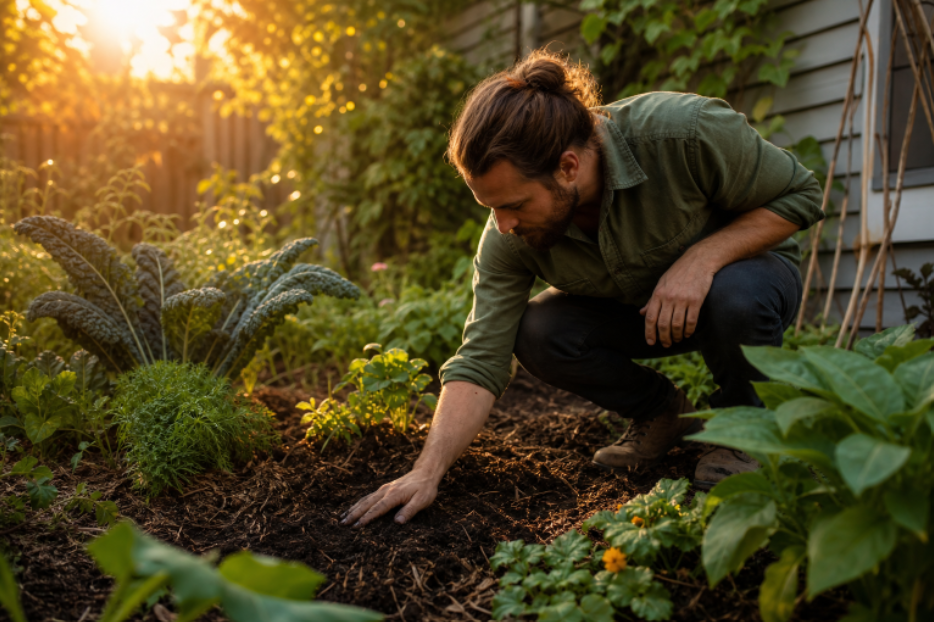
Compost can improve structure and add organic matter when mixed into the upper soil layer or used as a light topdressing. Avoid turning one planting hole into a pocket of heavily amended soil, as roots may struggle to reach the surrounding native soil. Keep soil protected with mulch, leaf material, or living ground cover whenever possible.
Use Water Where Roots Can Reach It
Deep, slower watering usually encourages roots to grow downward, while frequent shallow watering can leave plants dependent on moisture near the surface. Water near the root zone, not across leaves, fences, and walkways. Check the moisture a few inches below the surface with a finger or hand trowel before turning on the hose.
New plants need more consistent attention until their roots establish, but established plants should still be watered according to rainfall, heat, soil type, and drainage. Where water tends to pool or run off, the cycle-and-soak watering approach can help irrigation enter the soil in shorter sessions rather than being lost down a slope or across pavement.
- Use drip lines, soaker hoses, or directed hand watering when practical.
- Adjust irrigation after meaningful rainfall.
- Water early enough so foliage dries during the day.
- Give different beds different schedules based on sun and soil conditions.
Choose Plants by Conditions, Not Just Appearance
Choose plants for the garden you have, not the garden shown on a plant tag. Full-sun plants need several hours of direct light. Partial-shade plants often handle changing light but may struggle in intense afternoon heat. Wet areas need plants that tolerate damp roots, while dry spots benefit from plants proven to handle limited irrigation.
In small yards, focus on compact shrubs, containers, herbs, vertical supports, and plants that mature to a size that fits the available space. Check height and spread before planting, then leave room for air circulation and future growth.
Create a Seasonal Garden Checklist
Early Season
- Remove winter debris and damaged growth.
- Inspect tools, hoses, stakes, containers, and irrigation lines.
- Check soil moisture and drainage before planting.
- Refresh mulch after the soil begins to warm.
Late Spring and Summer
- Watch for wilt, leaf scorch, chewing damage, and sudden pest activity.
- Water newly planted trees, shrubs, and perennials consistently.
- Harvest herbs and vegetables regularly.
- Prune only when the plant type and season call for it.
Fall and Winter
- Remove diseased plant material and protect bare soil with leaves or compost.
- Plant suitable trees, shrubs, and hardy perennials when conditions are favorable.
- Inspect branches, supports, and containers after storms.
- Review successes and failures before ordering seeds or making next year’s plan.
Use Mulch as a Working Garden Tool
Mulch slows evaporation, reduces weeds, cushions soil from heavy rain, and limits erosion. Apply an even layer over beds, but keep it a few inches away from trunks and stems to avoid trapping excess moisture against plant tissue. Replace organic mulch when it becomes thin, compacted, or washed away.
Organic mulch, such as shredded leaves or bark, works well in most planting beds because it gradually breaks down. Stone mulch can suit hot, dry sites or permanent landscape areas, but it may hold heat and is harder to move when planting changes are needed.
Make Room for Pollinators and Helpful Insects
A manageable wildlife-friendly garden does not need to look untidy. Include flowers with different bloom periods, varied flower shapes, and a shallow water source during hot weather. Leave a small patch of stems, leaves, or open soil for shelter, and avoid spraying insecticides while plants are actively blooming.
Handle Pests With a Simple Inspection Routine
- Check the undersides of leaves, stems, and tender new growth.
- Look for holes, webbing, sticky residue, discoloration, or distorted leaves.
- Identify the likely pest before selecting a treatment.
- Remove small infestations by hand when practical.
- Choose the least disruptive option that fits the problem.
A few insects are not automatically a crisis. The goal is healthy plants and a balanced garden, not the removal of every living creature outdoors.
Common Mistakes and a Simple Weekly Routine
Avoid planting without checking mature size, watering on a fixed schedule, using fertilizer to address poor drainage, or placing shade plants in harsh afternoon sun. Also, avoid piling mulch against trunks, pruning at the wrong time, and filling the garden with more plants than you can reasonably maintain.
Set aside 10 minutes each week to walk the garden, check soil moisture in several spots, inspect leaves and stems, remove weeds before they seed, and clear blocked hoses or drip emitters. Keep plant labels, clean bypass pruners, gloves, a hand trowel, a rain gauge, and a garden notebook nearby so small tasks stay simple.
Questions Readers May Have
How often should a garden be watered?
There is no universal schedule. Soil type, drainage, weather, plant age, and sun exposure all matter. Check below the surface first, then water thoroughly when the root zone is drying.
Should compost be added every year?
Small, regular additions can support soil health, but excessive compost may create nutrient imbalances or drainage concerns. Let soil-test results and plant performance guide the amount.
How can a small yard support wildlife?
Even a small space can provide flowers, water, shelter, and fewer pesticide risks. Practical home-gardening research from university extension programs can also help gardeners explore water-smart planting and pollinator-friendly care.
Conclusion
A productive garden does not require expensive equipment or constant work. Start with careful observation, improve and cover the soil, water efficiently, and select plants that fit the site. A flexible seasonal checklist and short weekly inspection will help you respond early, waste less, and enjoy healthier growth all year.