High-Impact Kitchen Remodeling Upgrades for Home Value and Utility
Your kitchen is more than just a place for cooking; it’s the vibrant center of your home. A well-planned kitchen remodel can dramatically improve your daily life and significantly boost your property’s value. As of August 2026, homeowners are keenly focused on upgrades that offer both aesthetic appeal and lasting functionality.
In this extensive guide, we will explore key kitchen remodeling upgrades. We’ll dive into how modern countertops and smart electrical solutions can transform your space. From selecting durable surfaces to ensuring your kitchen’s power infrastructure meets contemporary needs, we aim to provide insights that make your renovation journey successful. For example, understanding how a company fabricates and installs quartz can be crucial when choosing high-performance materials. Our goal is to help you create a kitchen that is beautiful, efficient, and built to last.
When considering kitchen remodeling upgrades, we often weigh the immediate visual appeal against the long-term return on investment (ROI). As of August 2026, the median spend for a major kitchen remodel stands at $55,000, while a minor remodel averages around $20,000. These figures highlight the significant financial commitment involved, making strategic planning essential. Our objective is to guide homeowners in making choices that not only enhance daily living but also contribute positively to their home’s market value.
The decision to renovate is often driven by a desire for aesthetic improvement, with 41% of homeowners citing dissatisfaction with their kitchen’s appearance. However, functional deterioration and dysfunction are rapidly catching up as primary triggers, now motivating 38% of renovations. This shift underscores the importance of upgrades that address both form and function. A modernized kitchen can offer an ROI of around 54%, but this figure can vary significantly based on the scope of work. Minor cosmetic updates, for instance, can yield an even higher ROI, sometimes reaching 85-100%, especially if the home is to be sold within a few years.
Our approach focuses on identifying high-visual impact upgrades that are also cost-effective. This means prioritizing elements that draw the eye and improve usability without necessarily requiring a full structural overhaul. We believe that a thoughtful combination of surface updates, functional enhancements, and strategic lighting can dramatically transform a kitchen, providing both instant gratification and lasting value.
Scope Planning: Major vs. Minor Renovation Budgets
Understanding the financial implications of a kitchen remodel is the first step toward a successful project. As we’ve seen, the median spend varies widely. A minor remodel, typically involving cosmetic changes like painting, hardware replacement, and perhaps a new backsplash or countertop, can range from $5,000 to $15,000. These updates are often quick, taking 1-3 weeks, and offer the highest ROI at resale, often recouping 80-100% of their cost.
On the other hand, a major overhaul, which might include reconfiguring the layout, replacing all cabinetry, and upgrading appliances, can cost $50,000 to $130,000 or more. For larger kitchens exceeding 250 square feet, the median spend for a major remodel can climb to $75,000. While these extensive projects significantly enhance functionality and personal enjoyment, their ROI at resale tends to be lower, typically between 55-75%. Luxury remodels, exceeding $100,000, may see an ROI as low as 20-40%.
We recommend homeowners budget between 5-15% of their home’s total value for a kitchen remodel. Exceeding this range rarely yields full value recovery at resale. A significant portion of the budget, typically 25-35%, is allocated to cabinetry, making it the largest single cost component. Labor and installation follow closely, also accounting for 25-35%. To optimize costs, we often advise keeping the existing kitchen footprint to avoid expensive plumbing and electrical relocations, which can add $1,500-$8,000 to the project. Furthermore, scheduling projects during winter months (November to February) can sometimes lead to 10-20% savings on labor due to seasonal contractor availability.
Functional Kitchen Remodeling Upgrades for Storage and Flow
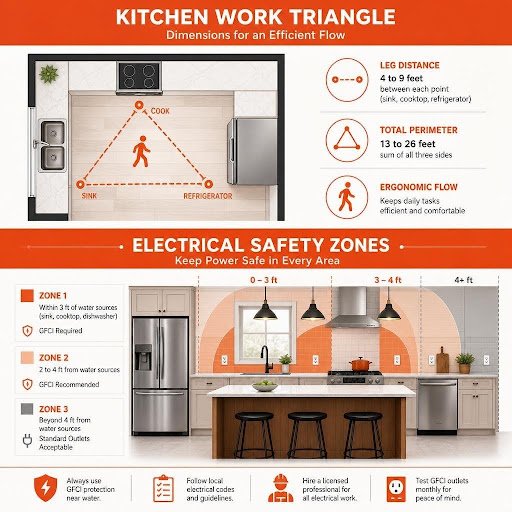
Beyond aesthetics, a kitchen’s true value lies in its functionality and how seamlessly it supports our daily routines. Optimizing the kitchen layout for better workflow and entertaining is a cornerstone of modern design. The classic “work triangle” concept, which efficiently connects the sink, stove, and refrigerator, remains a vital guideline. We aim for distances between each leg of 4 to 9 feet, with a total perimeter between 13 and 26 feet, to ensure ergonomic movement.
Kitchen islands continue to be a focal point, with nearly 3 in 5 renovating homeowners (58%) adding or updating one during their remodel. These islands are not just for prep; 53% of renovating homeowners install at least one new appliance in their kitchen island, often dishwashers (35%) or microwaves (32%), to maximize efficiency. Rectangular island shapes are preferred by 80% of homeowners, and over half (52%) now choose islands longer than 7 feet, reflecting a trend towards larger, multi-functional spaces.
Storage and organization are paramount. More than three-quarters of homeowners (76%) incorporate built-in features, with pantry cabinets leading at 47%. We advocate for innovative storage solutions like pullout shelves, vertical dividers, and appliance garages with tambour or sliding pocket doors to keep countertops clutter-free. Dedicated zones, such as coffee bars or beverage stations, are also gaining popularity, utilizing small, awkward spaces effectively. For larger renovations, expanding the kitchen footprint by reallocating space from adjacent dining rooms (25%) or breakfast nooks (17%) can accommodate more expansive layouts, like L-shaped (35%) or U-shaped (31%) designs, which enhance traffic flow and entertaining capabilities.
Elevating Surfaces: Durable Countertops and Backsplashes
The surfaces we choose for our kitchen countertops and backsplashes play a pivotal role in defining the room’s aesthetic and ensuring its longevity. These hard-surface investments are critical for both style and durability, especially in high-traffic areas. We prioritize materials that offer excellent stain resistance, heat resistance, and require manageable maintenance, ensuring they stand the test of time and daily use.
Selecting High-Performance Countertop Materials
The selection of countertop materials is a critical decision in any kitchen remodel. Engineered quartz continues to be the most frequently chosen material, selected by 32% of renovating homeowners, although its share dropped by 7 percentage points year over year. This popularity is due to its wide variety of colors, non-porous nature, and excellent durability, making it highly resistant to stains and scratches. Quartz typically ranges from $55 to $120 per square foot installed.
Natural stone options like granite and marble also remain popular, each offering unique aesthetics and characteristics. Granite, priced between $50 and $130 per square foot installed, is known for its hardness and heat resistance, but requires periodic sealing (every 1-3 years) to prevent staining. Marble, while offering unparalleled elegance, is the most expensive ($75-$200 per square foot installed) and porous, demanding frequent sealing and careful maintenance to avoid etching and staining. For those seeking a blend of custom aesthetics and practicality, we often partner with specialists who fabricates and installs quartz, ensuring high-quality results tailored to specific design visions.
Butcher block, another option, provides warmth and a classic look, but requires regular oiling and protection from standing water. When making these choices, we consider not just the initial cost but also the long-term maintenance and how well the material will perform under the specific demands of each homeowner’s lifestyle. A seamless slab backsplash, matched to the countertop material, is also a growing trend, eliminating grout lines and creating a clean, cohesive look.
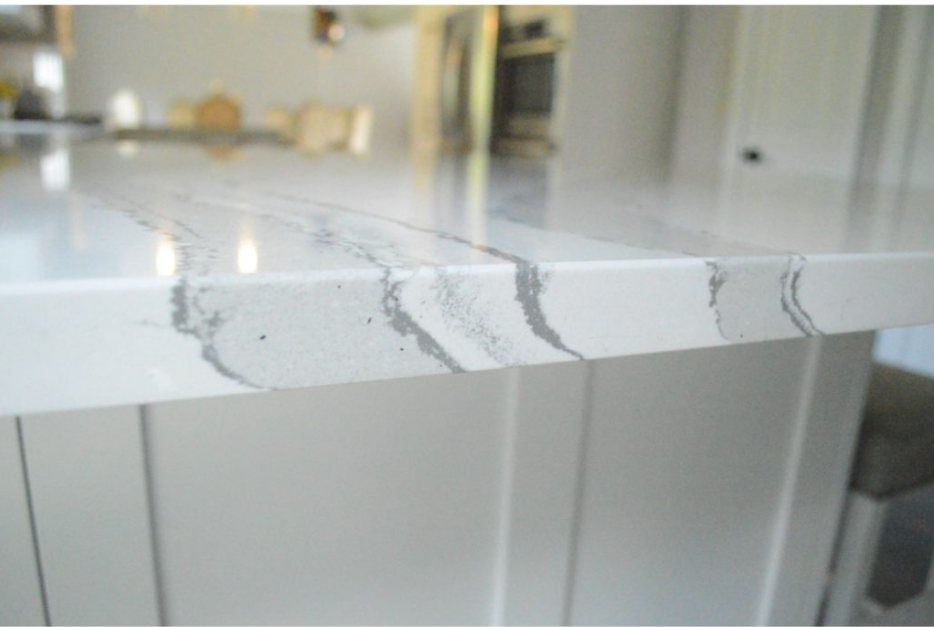
Here’s a comparison of popular countertop materials:
Material Cost (per sq ft installed) Durability (Scratch/Stain) Maintenance Engineered Quartz $55 – $120 Excellent Low (no sealing required) Granite $50 – $130 Very Good Moderate (sealing every 1-3 years) Marble $75 – $200 Moderate High (frequent sealing, prone to etching) Butcher Block $40 – $100 Moderate High (regular oiling, susceptible to water)
Cabinet Color Trends and Material Finishes
Cabinetry is arguably the most visually dominant element in a kitchen, often representing the largest portion of the renovation budget. The trends in cabinet colors and finishes are constantly evolving, and as of August 2026, we’ve observed a significant shift. Wood is now the most popular cabinet color in renovated kitchens, chosen by 29% of homeowners, marking a 6 percentage point increase from the previous year. This rise means wood tones have surpassed white cabinets, which now stand at 28%, having declined by 5 percentage points year over year. Off-white cabinets are a distant third at 15%.
This trend towards wood grain cabinetry reflects a desire for warmer, more natural aesthetics, moving away from the stark all-white kitchens of the past decade. We often recommend incorporating these warm neutral tones, perhaps in a two-tone design with lighter upper cabinets and darker wood-grain bases, or a statement-color island with neutral perimeter cabinetry.
For homeowners seeking a significant visual update without the expense of full cabinet replacement, cabinet refacing is an excellent option. This process involves replacing cabinet doors and drawer fronts while preserving the existing cabinet boxes, offering a 40-60% cost saving and a much shorter project timeline (3-5 days). We also emphasize the impact of hardware replacement; swapping out dated knobs and pulls for modern finishes can provide an instant visual refresh. When selecting new hardware, it’s crucial to ensure the mounting hole distances match existing ones to avoid additional drilling. For durability, we always specify solid plywood cabinet boxes with soft-close, full-extension drawer slides over particleboard.
Essential Electrical and Lighting Upgrades for Modern Workflows
Modern kitchens demand robust electrical infrastructure to support an increasing array of appliances and smart technologies. Beyond merely powering our devices, thoughtful electrical and lighting upgrades are crucial for safety, code compliance, and enhancing overall workflow efficiency. Relocating existing plumbing or electrical fixtures can add a significant cost to a remodel, ranging from $1,500 to $8,000, underscoring the need for careful planning from the outset. Any changes to electrical, plumbing, gas lines, or structural walls will require permits, typically costing between $500 and $3,000.
Layered Lighting: Task, Ambient, and Accent Solutions
Lighting is a powerful tool in kitchen design, capable of transforming both the look and usability of a space. We advocate for a layered lighting approach, combining three distinct types:
- Ambient Lighting: This provides overall illumination for the room, often achieved with recessed lights, flush-mount fixtures, or statement pendant lighting over the island. Dimmable switches are essential for adjusting the mood and intensity.
- Task Lighting: Crucial for functionality, task lighting illuminates specific work areas. Under-cabinet LED strip lighting is a prime example, providing bright, shadow-free illumination for food preparation. Dated pendant lights and chandeliers are immediate telltale signs that a kitchen needs a visual refresh, making their replacement a high-impact upgrade.
- Accent Lighting: This is used to highlight architectural features, artwork, or open shelving, adding depth and visual interest.
We prioritize energy-efficient LED lighting across all layers, considering color temperature to create the desired ambiance—warm white for a cozy feel or cool white for a brighter, more modern look. Combining ambient lighting with functional task lighting, such as under-cabinet LEDs, is a best practice that significantly improves both aesthetics and practicality.
Power Infrastructure and Smart Circuit Integration
The proliferation of kitchen gadgets and high-power appliances necessitates a robust and well-planned electrical system. We ensure dedicated circuits are installed for major appliances like ovens, refrigerators, and microwaves to prevent overloading and ensure safety. Kitchen islands, now central hubs for activity, often require multiple power outlets, and we frequently integrate hidden pop-up receptacles to maintain a clean aesthetic while providing convenient access.
Code compliance is non-negotiable, and we always recommend hiring licensed professionals for any electrical work. For comprehensive electrical upgrades and ensuring your kitchen’s power system is up to modern standards, reliable residential electrical services are indispensable. These professionals can assess your current electrical panel capacity, suggest necessary upgrades, and safely install new wiring and outlets to support your renovated kitchen’s demands. This includes planning for appliance garages, which keep small appliances neatly tucked away but still require accessible power.
Energy-Efficient Kitchen Remodeling Upgrades and Smart Appliances
Incorporating sustainable and energy-efficient features into a kitchen remodel is a smart long-term investment. ENERGY STAR-certified appliances are a cornerstone of this approach, significantly reducing energy consumption and utility bills. While stainless steel remains the dominant appliance finish, chosen by 72% of renovating homeowners, we also see a growing interest in panel-ready appliances. These integrate seamlessly into cabinetry, creating a sleek, custom look, though they come with a higher price tag.
Beyond appliances, we consider other energy-saving measures such as induction cooktops, which are more energy-efficient than traditional electric or gas ranges, and smart ventilation hoods that automatically adjust fan speed based on cooking activity. Water conservation is also key, with low-flow faucets and dishwashers that minimize water usage. A holistic approach to energy efficiency not only benefits the environment but also provides tangible savings for homeowners.
Frequently Asked Questions About Kitchen Remodeling
We understand that kitchen remodeling can be a complex undertaking, and many homeowners share similar questions. Here, we address some of the most common inquiries to provide clarity and guidance.
What are the most cost-effective kitchen upgrades for instant visual impact?
For homeowners seeking immediate visual impact without a full renovation, several cost-effective upgrades stand out. Swapping out old cabinet hardware for new, modern pulls and knobs can instantly refresh the look of your cabinetry. Replacing dated light fixtures, especially pendant lights over an island or sink, can dramatically modernize the space. A fresh coat of paint on walls or even cabinet doors (if in good condition) offers a significant change for a relatively low cost. Updating the backsplash with new tiles or even a peel-and-stick option can transform the focal point of your kitchen. Lastly, organizing pantry items into clear, uniform containers not only creates a more aesthetically pleasing pantry or open shelving display but also improves functionality.
How much does a typical kitchen renovation cost and what ROI can homeowners expect?
The cost of a kitchen renovation varies widely based on scope, materials, and location. As of August 2026, the national average for a mid-range kitchen remodel is around $27,000. Minor cosmetic updates can range from $5,000 to $15,000, while a full gut renovation can cost $50,000 to $130,000 or more.
The return on investment (ROI) also depends on the scope. Minor remodels typically offer the highest ROI, often recouping 80-100% of their cost at resale. Mid-range remodels generally return 55-75%, and major upscale remodels might see an ROI of 35-55%. We advise homeowners to align their project scope with local home values and their anticipated time in the home. If selling within a few years, focus on minor, high-impact updates. For long-term living, prioritize functional improvements that enhance daily enjoyment, even if the immediate ROI is slightly lower.
What are the main benefits of refacing cabinets versus a total replacement?
Cabinet refacing offers a compelling alternative to a full cabinet replacement, providing several significant benefits:
- Cost Savings: Refacing typically costs 40-60% less than tearing out and installing new custom cabinetry.
- Reduced Project Timeline: The process is much quicker, often completed in 3-5 days, minimizing disruption to your home.
- Less Invasive: Since the existing cabinet boxes remain, there’s less demolition, mess, and environmental waste.
- Layout Preservation: It allows you to maintain a functional kitchen layout that already works for your space.
- Custom Aesthetic Options: You can choose from a wide array of new door styles, materials (hardwood, MDF, laminate), and finishes to achieve a completely new look.
Refacing is an excellent choice for homeowners whose existing cabinet boxes are structurally sound and whose current kitchen layout is already efficient.
Conclusion
Embarking on kitchen remodeling upgrades is a significant investment, but one that can profoundly enhance both your daily life and your home’s long-term value. Our journey through modern kitchen design emphasizes a holistic approach, where aesthetic appeal, functional efficiency, and durable materials converge. We’ve seen how strategic choices, from the warmth of wood-grain cabinetry to the resilience of engineered quartz countertops, can define a space.
Equally vital are the often-overlooked electrical and lighting upgrades that ensure your kitchen is not only beautiful but also safe, efficient, and capable of supporting contemporary living. By embracing layered lighting and a robust power infrastructure, we create kitchens that are bright, welcoming, and technologically prepared.
The most successful kitchen remodels are those that balance personal taste with practical considerations, ensuring longevity and adaptability. We encourage homeowners to plan meticulously, consider both immediate visual impact and long-term utility, and partner with experienced professionals. By doing so, you can create a modernized kitchen that serves as the true heart of your home for years to come.