Chain link fencing remains a practical option for many North Texas properties because it provides dependable containment, visibility, airflow, and straightforward maintenance. Homeowners planning a backyard pet area, garden enclosure, side-yard barrier, or small-acreage boundary can benefit from working with a provider of trusted chain link fence installation Collin County property owners can rely on for a layout that fits their everyday needs.
For homes and land in Nevada, Lavon, Josephine, Farmersville, Princeton, McKinney, and surrounding areas, the best fence plan begins well before posts are set. A chain link fence should be designed with people, animals, equipment, weather, and future changes in mind that will affect the property over time.
Why Chain Link Fencing Still Fits Many Properties
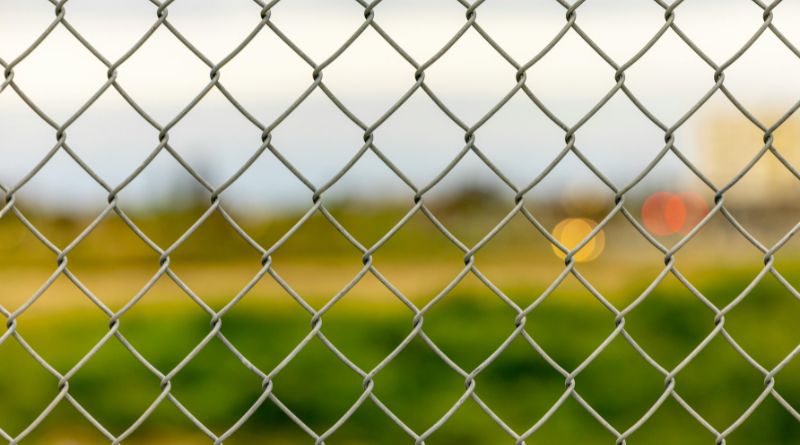
Chain link fences are popular because their open design allows visibility while containing pets, children, tools, or animals. They are ideal for dog runs, gardens, equipment areas, and property lines, as air flows freely, which helps in windy conditions. However, they offer less privacy than wood fences and may not suit decorative front yards. Still, they are effective when security, visibility, and durability matter most.
Step 1: Define What The Fence Must Do
Before choosing fabric, rails, or post sizes, identify the fence’s main job. A light enclosure for a small garden has very different requirements than a fence intended to contain a large, energetic dog or separate animals on a few acres.
- Identify what must stay inside the fence.
- List what should be kept outside, such as wildlife or neighborhood pets.
- Decide whether privacy or visibility matters more.
- Consider how often people, vehicles, lawn equipment, or animals will pass through.
- Think ahead to future projects, including sheds, pools, gardens, or additional animals.
A backyard dog area may need additional height, secure latches, and protection from digging. A vegetable garden may need a tighter mesh near the bottom. A chicken enclosure may require smaller openings to reduce escapes and predator access. Small-acreage fencing should account for the size, strength, and behavior of the animals that will use it.
Step 2: Measure The Site Before Choosing Materials
Accurate measurements reduce waste and prevent issues like inconvenient gate locations, awkward corners, and short fence runs. Start with an overhead sketch of the property, marking boundaries, buildings, driveways, patios, sheds, large trees, drainage paths, slopes, and fences. Consider utilities, water, gas, electrical, irrigation, and communication lines, before placing posts. Review Texas 811 for underground utility marking. For fences near neighboring properties, confirm boundaries with records or surveys, as small errors can cause major problems over long distances.
Step 3: Match Height And Mesh To The Use
Pets And Active Dogs
Small pets may need mesh openings that reduce gaps near the ground, while larger or more athletic dogs may need a taller fence, stronger posts, sturdy gate hardware, and measures that discourage climbing or digging. Check the entire perimeter for places where a pet could squeeze under, push through, or jump over the fence.
Gardens, Chickens, And Small Acreages
Garden fencing should keep out browsing animals while still allowing easy access for watering, harvesting, and maintenance. Chicken and small-animal areas often need a tighter mesh where predators or escapes are a concern. For acreage, consider whether the fence serves as a permanent perimeter barrier, an interior divider, or both. The University of California Agriculture and Natural Resources offers useful small-acreage fencing guidance for property owners considering livestock, paddocks, and perimeter fencing.
Step 4: Plan Gates For Real Daily Use
A fence is only as convenient as its access points. Place walk gates near routes people already use, such as the path from the home to a backyard, garden, or trash area. Drive gates should be wide enough to accommodate vehicles and equipment that may need to pass through, including trailers, mowers, and service vehicles.
- Make sure gate swings are clear of parked vehicles, walls, and steep slopes.
- Use dependable latches that authorized adults can easily operate.
- Consider self-closing hardware for pet areas and high-traffic spaces.
- Leave room for hinge adjustments and future repairs.
Step 5: Account For Slopes, Soil, And Water
Uneven ground can create gaps beneath a chain-link fence or make sections appear misaligned. Depending on the site, the fence may follow the grade, step down in sections, or use a custom approach to limit open space at the bottom. The right choice depends on the slope, the desired appearance, and whether pets or small animals could escape through a gap.
Drainage is equally important. Standing water near posts can soften soil and contribute to movement over time. Check the property after rain, note low areas, and avoid blocking natural drainage routes. Gates should not be placed where mud and pooled water will make daily access difficult.
Step 6: Consider Wildlife And Neighbor Relations
A fence affects more than the space inside it. Keep vegetation trimmed so vines, brush, and fallen limbs do not press against the fabric. Review shared boundaries with neighbors before construction, particularly where access, maintenance, or existing fence connections are involved. Wildlife-friendly planning can also reduce the risk of animals becoming caught in damaged mesh or trapped between barriers. This overview of wildlife-friendly fencing offers practical design considerations for balancing property boundaries with animal movement.
Common Chain Link Planning Mistakes
- Choosing the lowest fence height without considering future pets or property uses.
- Ignoring ground gaps on slopes and uneven terrain.
- Installing gates where vehicles cannot turn, enter, or open fully.
- Skipping a property-line review before setting corner posts.
- Using light-duty hardware in an area with frequent use.
- Adding privacy screening without considering wind exposure.
- Forgetting to plan access for mowing, repairs, and equipment.
Simple Maintenance Checks For Every Season
- Walk the entire fence line and look for posts that are leaning or loose.
- Inspect fabric for cuts, bends, lifted edges, or damaged ties.
- Test hinges, latches, drop rods, and gate alignment.
- Clear weeds, branches, vines, and debris from the fence.
- Check low spots and areas where water collects after rain.
These checks are especially useful after strong winds, heavy rain, fallen branches, or repeated contact from animals. A loose tie or worn latch is usually easier to address early than after it becomes an escape route or a larger structural issue.
When Repair Makes Sense And When Replacement Is Better
A bent section of fabric, a worn latch, a damaged tie, or an isolated loose post may be repairable. A replacement may be the better choice when multiple posts are leaning, corrosion is widespread, the gate frame is distorted, or the existing fence no longer meets the property’s needs. When repeated repairs do not solve the underlying problem, a revised layout or stronger fence design may offer better long-term value.
Pre-Installation Checklist
- Primary fence purpose identified.
- Fence line measured and obstacles marked.
- Property boundaries and utility locations reviewed.
- Height, mesh, posts, and gate locations selected.
- Slopes, drainage, pets, livestock, and wildlife are considered.
- Access for maintenance, mowing, and future projects planned.
- Local rules and neighborhood requirements reviewed.
Final Thoughts
A well-planned chain link fence can provide years of practical containment for homes, pets, gardens, and small-acreage properties. By matching the fence to its purpose, measuring carefully, planning gates around daily routines, and addressing drainage and terrain early, property owners can avoid many of the problems that lead to costly adjustments later.