Introduction
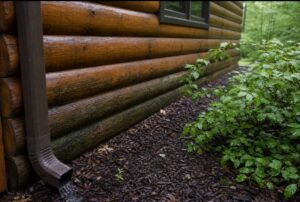
A serene, clean home exterior in Lufkin, TX, with lush green landscaping, symbolizing a pest-free environment achieved through eco-friendly pest management and chemical reduction, ensuring family safety and environmental stewardship.
We all cherish the comfort and peace of mind that comes with a clean, pest-free home, especially here in Lufkin, TX. Yet, the challenge of keeping unwanted guests out is a common concern for homeowners. Pests, from tiny ants to resourceful rodents, are masters at finding even the smallest openings to invade our living spaces. Understanding these common pest entry points around your house is the first step toward effective prevention. This article will delve into where pests typically get in and how embracing eco-friendly pest management solutions can offer a safe, sustainable approach to protecting your home and family without relying on harsh chemicals. We believe in providing lasting protection that respects our local environment.
For a deeper dive into protecting your entire property, explore our comprehensive guide on Home Pest Protection Strategies, or contact us directly to discuss personalized pest management for your home here.
Why Homeowners are Shifting to Eco-Friendly Pest Control
In recent years, a significant shift has occurred in how homeowners approach pest management. The traditional reliance on broad-spectrum chemical pesticides is giving way to more thoughtful, environmentally conscious methods. This movement towards eco-friendly pest control is driven by a growing awareness of its multifaceted benefits, extending far beyond simply eliminating pests.
One of the primary drivers for this shift is the preservation of biodiversity. Conventional pesticides can harm non-target organisms, including beneficial insects like pollinators (bees and butterflies) and natural predators of pests (ladybugs, spiders). By opting for eco-friendly solutions, we help maintain the delicate balance of local ecosystems, ensuring that our efforts to protect our homes don’t inadvertently damage the natural world around us. This approach supports a healthier environment where essential species can thrive.
Furthermore, the impact on soil health is a critical consideration. Chemical runoff from traditional treatments can degrade soil quality, affecting microbial life and the long-term fertility of our gardens and lawns. Eco-friendly methods Eco-friendly methods, which often prioritize natural ingredients or physical barriers, minimize this contamination, promoting a vibrant and healthy soil ecosystem that supports plant growth and overall environmental well-being.
The concern over water runoff is another significant factor. When pesticides are applied to outdoor areas, rain and irrigation can wash them into storm drains, eventually contaminating local waterways. This can harm aquatic life and even impact drinking water sources. Sustainable pest control strategies are designed to prevent such runoff, protecting our precious water resources from chemical pollution.
For many families, pet safety is paramount. Our furry companions spend a great deal of time close to the ground, making them particularly vulnerable to chemical residues on lawns and floors. Eco-friendly pest management reduces this risk significantly, utilizing products and techniques that are safe for pets, giving homeowners peace of mind that their beloved animals are protected from harmful exposures.
Finally, the discussion often turns to long-term efficacy. While chemical treatments can offer quick results, they often address only the symptoms of a pest problem. Pests can develop resistance to chemicals, leading to a cycle of escalating treatments. Eco-friendly approaches, especially those focused on exclusion and habitat modification, aim for sustainable, lasting solutions. By understanding and disrupting pest life cycles and entry points, we can achieve more durable protection against infestations, reducing the need for continuous chemical applications. This holistic view ensures that our homes remain pest-free not just for a season, but for years to come.
To illustrate the differences, consider this comparison:
Feature Traditional Chemical Treatments Eco-Friendly Pest Control Methods Primary Goal Immediate pest elimination Long-term prevention and sustainable control Chemical Usage Often uses synthetic, broad-spectrum pesticides Minimizes or eliminates synthetic chemicals; uses natural/organic products Environmental Impact Potential for biodiversity harm, soil/water contamination Low environmental impact, preserves beneficial organisms Health & Safety Potential risks for humans and pets, especially with improper use Generally safer for families, pets, and the environment Pest Resistance Higher risk of pests developing chemical resistance Lower risk, focuses on physical barriers and behavioral disruption Approach Reactive (treats infestations) Proactive (prevents entry, addresses root causes) Longevity of Solution Often requires repeated applications Aims for durable, sustainable results through exclusion Common Pest Entry Points and How Exclusion Supports Green Solutions
Pests are incredibly resourceful, and they don’t need a wide-open door to invade your home. They exploit tiny vulnerabilities that often go unnoticed by homeowners. Understanding these common pest entry points around your house is the cornerstone of any effective, green pest management strategy. Exclusion, the practice of physically blocking pests from entering a structure, is inherently eco-friendly because it relies on barriers rather than chemicals.
One of the most frequent entry points is through foundation cracks. As homes settle over time, and due to varying soil moisture levels, hairline cracks can develop in the foundation. These seemingly minor fissures are perfect highways for ants, spiders, cockroaches, and even small rodents to gain access to wall voids and ultimately your living space. Similarly, gaps around utility penetrations—where pipes, wires, and cables enter the home—are prime targets. These openings, often found around outdoor faucets, gas lines, electrical conduits, and AC lines, are rarely sealed perfectly during construction and can widen over time.
Door sweeps and weatherstripping around doors are crucial but often overlooked. A worn or missing door sweep creates a gap at the bottom of the door, allowing insects and rodents to crawl directly inside. The same applies to deteriorated weatherstripping around door and window frames. In brick homes, weep holes are designed to allow moisture to escape from the wall cavity, preventing mold and rot. However, without proper covers, these essential openings become easy entry points for insects, spiders, and even small snakes and rodents. Addressing these vulnerabilities is a key aspect of comprehensive pest management.
By focusing on these structural weaknesses, we can implement durable solutions that reduce the need for chemical treatments. This proactive approach aligns perfectly with sustainable pest control principles, creating a robust defense that protects your home naturally.
How Rodents and Insects Exploit Tiny Gaps
The ability of pests to squeeze through incredibly small openings is often underestimated, leading homeowners to miss critical entry points. Their physical capabilities are truly remarkable.
For rodents, specifically mice, the common statistic is that they can squeeze through an opening about the size of a dime (1/4 inch). This is not because their bones are collapsible, but because their skeletons are highly flexible, allowing them to compress their bodies. If their head can fit through an opening, the rest of their body can follow. Rats, being larger, can fit through a hole about the size of a quarter (1/2 inch). This means that a seemingly insignificant crack in a foundation, a small gap around a pipe, or a worn-out door sweep can be an open invitation for these destructive pests.
Insects are even more adept at exploiting tiny spaces. An ant, for example, can crawl in through an opening just 1/25 of an inch. Many other common household insects and spiders only need gaps of 1/16 inch or less. This includes cockroaches, spiders, earwigs, and various beetles. These microscopic pathways are often invisible to the naked eye but are easily detected and utilized by pests searching for food, water, or shelter.
Beyond just squeezing, rodent chewing is another major factor. Materials like expanding foam (unless reinforced), plastic, rubber, and even some wood can be easily gnawed through by mice and rats determined to gain entry or expand an existing opening. This highlights the need for durable, chew-proof materials in exclusion efforts. Insects, while not typically chewing through solid materials to create new entries, will exploit any existing crack or crevice, using them as established insect pathways to enter and navigate within a structure. Understanding these physical capabilities underscores why a thorough inspection and meticulous sealing are so vital for effective pest prevention.
Integrating Physical Exclusion with Eco-Friendly Pest Control
The most effective and sustainable way to manage pests is by making your home inaccessible to them. This physical exclusion forms the backbone of eco-friendly pest control, creating chemical-free barriers that provide long-term protection.
When it comes to sealing different types of gaps and cracks, selecting the right material is crucial. For small cracks and gaps around windows, doors, and utility penetrations, high-quality silicone caulk is an excellent choice. It’s durable, flexible, and creates a tight, weather-resistant seal that blocks insects and moisture. For larger gaps (1/4 inch to 1 inch) or areas where rodents might chew, copper mesh is highly recommended. It can be packed tightly into openings around pipes, wires, and weep holes, and then covered with caulk for a secure, chew-resistant barrier. Unlike steel wool, copper mesh won’t rust when exposed to moisture, making it ideal for outdoor applications. For very large openings, such as vents in attics or crawl spaces, hardware cloth (a sturdy, galvanized wire mesh with small openings, typically 1/4 inch) provides a robust, breathable barrier that keeps out rodents, birds, and other wildlife without impeding ventilation.
While expanding foam can be useful for filling large, irregularly shaped voids, it’s important to understand its limitations. Rodents can easily chew through unreinforced foam. Therefore, if using expanding foam in areas susceptible to rodents, it should always be combined with a chew-proof material like copper mesh or steel wool packed into the opening first.
This focus on preventative maintenance is key. Regular inspections and prompt sealing of new or deteriorating gaps ensure that your home remains a fortress against pests. This proactive approach minimizes the chances of an infestation taking hold, reducing or eliminating the need for reactive chemical treatments. By investing in these physical barriers, we establish long-term protection that is both effective and environmentally responsible, aligning perfectly with the principles of green pest management.
Protecting Your Lufkin Home with Sustainable Methods
For homeowners in Lufkin, TX, embracing sustainable pest control methods means not only safeguarding your property but also contributing to the health of our local environment. A local, family-owned business like Spot On Pest Control LLC, deeply rooted in Christian values, understands the importance of integrity, compassion, and excellence in providing pest management services. We believe that protecting your home should never come at the expense of our shared natural resources or the well-being of your family and pets.
Our approach prioritizes comprehensive exclusion strategies and targeted, minimal-impact treatments, ensuring that we address pest problems effectively while upholding our commitment to environmental stewardship. We recognize that every home and every pest situation is unique, requiring a tailored solution that focuses on prevention and sustainable practices. This means thorough inspections, identifying and sealing entry points, and educating homeowners on how they can maintain a pest-resistant environment.
By choosing a provider that shares these values, you’re not just getting pest control; you’re getting a partner dedicated to the long-term health and safety of your home and community. We strive to deliver services that reflect our commitment to excellence, ensuring that your Lufkin home remains a comfortable, pest-free sanctuary for your family to enjoy.
Seasonal Maintenance and Eco-Friendly Pest Control in East Texas
East Texas, with its unique climate, presents specific challenges and opportunities for pest management. Our region’s high humidity and distinct seasons mean that pest activity fluctuates throughout the year, requiring a dynamic approach to protection. Effective eco-friendly pest control in this area hinges on understanding these seasonal patterns and implementing proactive measures.
For instance, mosquito control is a primary concern during the warmer months, typically from March through October. Sustainable strategies focus on source reduction, such as eliminating standing water, and using targeted, botanical-based treatments that minimize impact on beneficial insects. Similarly, fire ant control is crucial, and eco-friendly options often involve baits that are less disruptive to the environment than broadcast sprays, often backed by a 1-year guarantee for lasting relief.
Beyond these, a comprehensive program for East Texas homes addresses a wide range of common pests. This includes rodent control, with an emphasis on exclusion and trapping rather than poisons; wasp nest removal using non-toxic methods where possible; and spider extermination through web removal and sealing entry points. Ant extermination and roach extermination also benefit greatly from exclusion, sanitation, and targeted, low-impact products. For more serious threats like termite control, advanced baiting systems offer effective, localized treatment without widespread chemical application. Specialized services like bed bug treatment and humane bee removal are also vital components of a holistic pest management plan, often requiring professional expertise.
To ensure prompt assistance when unexpected pest issues arise, many eco-friendly providers offer 24/7 emergency availability, understanding that some situations require immediate attention. Furthermore, options like financing availability can make comprehensive, sustainable pest management accessible to more homeowners, allowing them to invest in long-term protection without financial strain. By aligning our pest control efforts with the natural rhythms of East Texas, we can provide effective, sustainable protection that respects both your home and our local ecosystem.
Frequently Asked Questions About Green Pest Management
Homeowners often have questions about how to best protect their homes using environmentally sound practices. Here, we address some of the most common inquiries regarding green pest management and exclusion.
How small of a gap can a mouse or rat fit through?
It’s a common misconception that rodents need large openings to enter a home. In reality, their ability to compress their bodies is quite remarkable. A mouse can squeeze through an opening about the size of a dime (approximately 1/4 inch). This means if you can fit a pencil into a gap, a mouse can likely follow. Rats, while larger, are also incredibly flexible and can fit through a hole about the size of a quarter (approximately 1/2 inch). This physical compression capability highlights why even seemingly minor cracks and gaps around your home need to be thoroughly inspected and sealed.
What materials are best for sealing different types of gaps and cracks?
The best material depends on the size and location of the gap, as well as the type of pest you’re trying to exclude.
- Copper mesh or steel wool are excellent choices for packing into small to medium-sized holes (1/4 inch to 1 inch) where rodents are a concern. They are difficult for rodents to chew through. Once packed, these can be covered with caulk for a clean finish and added durability.
- Silicone caulk is ideal for sealing small cracks (less than 1/4 inch) around windows, doors, utility penetrations, and foundation cracks. It’s flexible, durable, and provides a tight seal against insects and moisture.
- Hardware cloth (1/4-inch galvanized wire mesh) is best for larger openings like vents (attic, crawl space, dryer) or gaps over 1 inch. It provides robust protection against rodents and wildlife while allowing for ventilation.
- Expanding foam can be used for filling large, irregular voids, but it’s crucial to remember that rodents can easily chew through it. If used in areas with rodent activity, it should always be combined with a chew-proof material like copper mesh or steel wool.
How can I inspect my home for hidden pest entry points?
A thorough inspection is key to identifying hidden entry points. We recommend performing this annually, preferably with a flashlight, and paying close attention to these areas:
- Exterior Foundation and Walls: Walk around your home’s perimeter, looking for cracks in the foundation, gaps where siding meets the foundation, and any holes around pipes, wires, or vents. Use your flashlight to illuminate dark corners.
- Utility Line Check: Carefully inspect where all utility lines (electrical, cable, gas, water, AC lines) enter your home. These are often poorly sealed.
- Doors and Windows: Check all exterior doors for worn-out door sweeps or weatherstripping. Perform a “porch light test” at night: turn on your porch light and turn off all interior lights. If you see light leaking from under or around your doors, pests can get in. Inspect window frames for gaps and screens for tears.
- Crawl Space Access: If your home has a crawl space, inspect its access points and vents for damage or inadequate screening. These dark, often damp areas are prime pest havens.
- Roofline Inspection: Look for loose or damaged shingles, gaps around chimneys, vents (plumbing, attic, dryer), and areas where the roof meets the wall. Rodents and wildlife often access homes from above.
By systematically checking these areas, you can proactively identify and seal vulnerabilities, significantly reducing the risk of pest infestations.
Conclusion
Protecting your home from pests is an ongoing endeavor, but by understanding common pest entry points and embracing eco-friendly pest management, you can create a safer, more sustainable living environment. The shift towards proactive maintenance and physical exclusion not only provides long-term prevention but also ensures the environmental safety of our communities. From sealing tiny gaps that mice exploit to managing seasonal pests with targeted, low-impact solutions, every step contributes to a healthier home and a healthier planet. For those in Lufkin, TX, seeking reliable and compassionate pest control, prioritizing these sustainable methods is a commitment to the well-being of your family and our shared natural world.