Balancing Home Exteriors and Core Systems for Long-Term Value
In the picturesque community of Bell Canyon, CA, maintaining the comfort and value of our homes is a top priority. We understand that a home’s exterior appeal goes hand in hand with the optimal functioning of its core systems, particularly the air conditioning system. Facing hot summers and unique microclimates, homeowners here rely heavily on efficient cooling. When our AC units falter, it’s not just an inconvenience; it impacts our comfort, energy bills, and even the structural integrity of our living spaces. This guide delves into the crucial role of an expert ac repair company in Bell Canyon, CA, exploring how external factors influence our home’s internal climate control and the essential steps we can take to ensure year-round comfort and system longevity. For those seeking Reliable Bell Canyon AC solutions, understanding these connections is key.
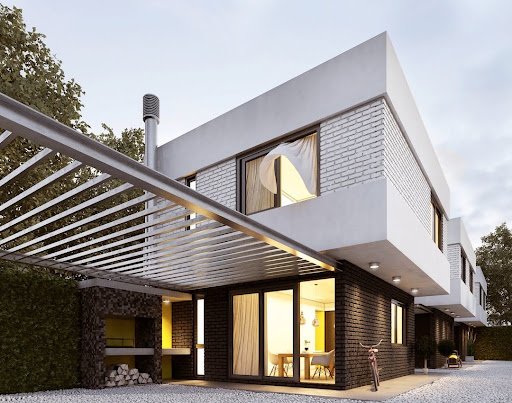
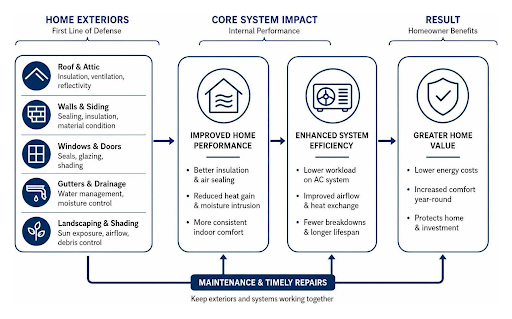
In Bell Canyon, our homes are situated in a unique Mediterranean climate, characterized by hot, dry summers and cooler, often damp, evenings. This climate, coupled with the distinctive canyon microclimates, places significant demands on our home’s core systems, especially heating, ventilation, and air conditioning (HVAC). The long-term value of our properties isn’t just about aesthetic appeal; it’s deeply intertwined with the building’s thermal performance and structural integrity. A well-maintained exterior not only enhances curb appeal but also acts as the first line of defense for our internal climate control systems, influencing their efficiency and lifespan.
When we consider our homes in Bell Canyon, the exterior elements play a pivotal role in how effectively our HVAC systems can maintain indoor comfort. For instance, the choice of roofing materials, the color of exterior paint, and the condition of our windows all contribute to how much heat is absorbed or reflected. In a region where summer temperatures can soar, minimizing heat gain through the building envelope reduces the workload on our air conditioners, lowering energy consumption and reducing wear and tear on the equipment. Conversely, a compromised exterior can lead to increased thermal transfer, forcing AC units to work harder and more frequently, shortening their operational life and driving up utility expenses. This holistic view of home maintenance, where exterior care directly supports the performance of the internal systems, is crucial for Bell Canyon homeowners aiming for both comfort and efficiency.
Protecting the Building Envelope
The building envelope – comprising the roof, walls, windows, and foundation – is critical for maintaining a home’s thermal efficiency and structural soundness. In Bell Canyon, with its specific environmental factors, attention to these details is paramount.
Stucco maintenance is particularly important for many homes in our area. Stucco, while durable, can develop cracks over time due to ground movement, temperature fluctuations, or improper installation. These cracks, even hairline ones, can allow moisture intrusion, leading to mold growth, structural damage, and compromised insulation. Furthermore, they can create pathways for unwanted air infiltration, making it harder for our HVAC systems to maintain a consistent indoor temperature. Regular inspection and timely repair of stucco surfaces are essential to prevent these issues and preserve the thermal barrier of our homes.
Roof inspections are another non-negotiable aspect of exterior maintenance. A well-maintained roof prevents water leaks that can damage insulation, ceilings, and internal structures. Beyond water protection, the roof’s condition significantly impacts heat transfer. Light-colored, reflective roofing materials can help deflect solar radiation, reducing the heat load on our attics and, consequently, on our air conditioning systems. Conversely, a dark, poorly insulated roof will absorb and radiate heat into the home, forcing the AC to run longer and consume more energy. Professional roof inspections can identify potential issues like damaged shingles, worn sealants, or inadequate ventilation before they escalate into costly problems.
Window sealing is often overlooked but plays a vital role in energy efficiency. Gaps around windows and doors can account for a significant amount of heat gain in summer and heat loss in winter. Over time, caulk and weatherstripping can degrade, creating drafts and allowing conditioned air to escape. Ensuring that windows are properly sealed and insulated helps to maintain a consistent indoor temperature, reduces the strain on our HVAC systems, and contributes to overall energy savings. Upgrading to energy-efficient windows, such as double-pane or low-emissivity (Low-E) glass, can further enhance this protection, drastically reducing heat transfer and improving thermal performance.
By diligently protecting the building envelope through these maintenance practices, we create a more stable indoor environment, which in turn allows our core HVAC systems to operate more efficiently and last longer, ultimately contributing to the long-term value and comfort of our Bell Canyon homes.
Optimizing Home Exteriors and Core Systems
Beyond basic maintenance of the building envelope, there are specific ways we can optimize our home exteriors to directly support the efficiency and longevity of our core HVAC systems. These considerations often involve strategic planning and can yield significant benefits in terms of comfort and energy costs.
Condenser shading is a simple yet effective strategy for improving AC efficiency, particularly in Bell Canyon’s hot climate. The outdoor unit of an air conditioner, known as the condenser, removes heat from inside your home and releases it into the outdoor air. When the condenser unit is exposed to direct sunlight for extended periods, especially during the peak heat of the day, it has to work harder to dissipate heat, reducing its efficiency. Planting shade trees or installing a strategically placed awning or trellis can provide much-needed shade, keeping the unit cooler and allowing it to operate more efficiently. It’s crucial, however, to ensure that any shading solution does not impede airflow clearance around the unit. A condenser needs ample space (typically 2-3 feet on all sides and above) to draw in and expel air effectively. Blocked airflow, whether from dense foliage, fences, or debris, can severely restrict the unit’s ability to dissipate heat, leading to reduced efficiency, increased energy consumption, and premature component wear, such as the compressor. Regular trimming of shrubs and removal of obstructions around the unit are essential practices.
Exterior wall insulation is another key factor in optimizing the thermal performance of our homes. While often considered an internal component, the quality and type of insulation within our exterior walls directly impact heat transfer. Adequate insulation acts as a barrier, slowing the movement of heat into the home during summer and out of it during winter. This reduces demand on our heating and cooling systems, allowing them to cycle less frequently and operate more effectively, thereby contributing to greater system longevity. In older Bell Canyon homes, upgrading or adding insulation can be one of the most impactful energy efficiency improvements, significantly reducing the workload on HVAC equipment.
By thoughtfully integrating these exterior optimizations – providing shade for condenser units, ensuring proper airflow, and maintaining robust exterior wall insulation – we can create a harmonious relationship between our home’s outward appearance and the performance of its essential internal systems. This proactive approach not only enhances daily comfort but also safeguards our investments by extending the life of our HVAC equipment and reducing long-term operating costs.
Common Climate Challenges for Bell Canyon Core Systems
The unique climate of Bell Canyon presents specific challenges for our home’s core systems, particularly our HVAC units. The region experiences intense summer heat spikes, often pushing temperatures well into the triple digits. These prolonged periods of extreme heat place immense stress on air conditioning systems, forcing them to run almost continuously to maintain comfortable indoor temperatures. Compounding this, dry canyon winds can carry dust and debris, which pose a direct threat to the efficiency and cleanliness of outdoor AC units.
The combination of high temperatures and dusty conditions results in significant dust accumulation on condenser coils and in air filters. This accumulation acts as an insulating layer, hindering the system’s ability to transfer heat efficiently. When coils are dirty, the AC unit must work harder to cool the air, consuming more energy and increasing the risk of mechanical failure. Furthermore, the constant demand for cooling during these heatwaves results in consistently high cooling loads, pushing our systems to their limits for extended periods. This continuous operation accelerates component wear and tear, making regular maintenance and timely repairs crucial for homeowners in Bell Canyon. Understanding these environmental factors is the first step toward effectively protecting and maintaining our home’s essential climate-control infrastructure.
Air Conditioning Vulnerabilities in Canyon Climates
The intense demands placed on AC systems in Bell Canyon’s canyon climate expose several vulnerabilities that homeowners should be aware of. The primary concern is often compressor strain. The compressor is the heart of the AC system, responsible for circulating refrigerant and facilitating heat exchange. During prolonged heat spikes, the compressor runs overtime, leading to higher internal temperatures and increased friction. This continuous, high-stress operation can shorten the compressor’s lifespan and is a common cause of system failure if not properly maintained.
Another frequent issue is fan motor wear. Both the indoor blower fan and the outdoor condenser fan motors are critical for moving air across the coils. Dusty conditions, coupled with constant operation, can lead to dirt buildup on fan blades and bearings, causing the motors to work harder, overheat, and eventually fail. A failing fan motor can result in reduced airflow, inefficient cooling, and even complete system shutdown.
Clogged condenser coils are a direct consequence of the dusty, windy environment. The outdoor condenser coil is responsible for releasing the heat extracted from your home. When dust, dirt, leaves, and other debris accumulate on its fins, it forms an insulating layer that prevents efficient heat transfer. This forces the compressor to work harder, increasing energy consumption and potentially leading to system overheating. Regular cleaning of these coils is essential to maintain efficiency and prevent costly repairs.
Finally, refrigerant leaks represent a critical vulnerability. Refrigerant is the substance that absorbs heat from your home and releases it outside. Over time, vibrations, corrosion, or manufacturing defects can lead to small leaks in the refrigerant lines. A low refrigerant charge significantly impairs the system’s cooling capacity, forcing it to run longer and harder without achieving the desired temperature. This not only wastes energy but can also cause severe damage to the compressor. Refrigerant leaks require professional detection and repair, as improper handling can harm the environment. Addressing these vulnerabilities through proactive maintenance and timely professional intervention is key to ensuring reliable cooling in Bell Canyon.
The Impact of Leaky Ductwork on Home Exteriors and Core Systems
While often hidden from view, the ductwork in our homes plays a crucial role in the overall efficiency and performance of our HVAC systems. In Bell Canyon, where maintaining a comfortable indoor environment is paramount, leaky ductwork can have a profound, often underestimated impact not only on our core systems but also, indirectly, on our home exteriors.
The most immediate consequence of leaky ducts is air loss. According to industry statistics, it’s not uncommon for homes to lose 15-20% of their cooled or heated air through leaks, cracks, and poorly sealed duct connections. This means that a substantial portion of the conditioned air that your AC unit has worked hard to produce never actually reaches the living spaces. Instead, it escapes into unconditioned areas like attics, crawl spaces, or between walls. This forces the HVAC system to run longer and harder to compensate for the lost air, leading to increased energy consumption and higher utility bills.
When conditioned air leaks into the attic during Bell Canyon’s hot summers, it contributes to attic heat. This excess heat can then radiate back into the living spaces, further increasing the AC system’s cooling load. It creates a vicious cycle in which the AC struggles to cool the home while simultaneously contributing to the heat buildup in the attic, which makes its job even harder. This constant battle reduces the system’s efficiency and accelerates wear and tear.
Beyond energy waste, leaky ducts can cause moisture intrusion and indoor air quality problems. If ducts run through damp areas or if air is drawn in from unconditioned, humid spaces, moisture can enter the system. This can create an environment conducive to mold and mildew growth in the ductwork, which is then distributed throughout the home. This not only impacts indoor air quality but can also contribute to moisture problems within wall cavities or attics, potentially affecting structural components over time.
Addressing leaky ductwork is a fundamental step in optimizing HVAC performance and energy efficiency. Professional duct sealing can dramatically improve airflow, reduce energy waste, and enhance indoor comfort. For those seeking comprehensive guidance on maintaining their cooling systems and addressing issues like leaky ducts, exploring Reliable Bell Canyon AC solutions can provide valuable insights and professional assistance. Ensuring our ductwork is sealed and properly insulated is a critical step in maintaining a healthy, efficient home in Bell Canyon.
Essential Maintenance for Residential Core Infrastructure
Maintaining the core infrastructure of our Bell Canyon homes, particularly the HVAC and plumbing systems, is not merely about fixing problems as they arise; it’s about a proactive approach that ensures efficiency, longevity, and consistent comfort. Just as we care for the visible aspects of our homes, the hidden systems require regular attention.
The foundation of this proactive care lies in biannual tune-ups for HVAC systems. Scheduling these professional inspections and maintenance visits twice a year – typically in the spring before the cooling season and in the fall before the heating season – ensures that your system is prepared for the demands of Bell Canyon’s varied climate. These tune-ups are comprehensive, covering everything from cleaning components to checking electrical connections and calibrating controls.
Central to maintaining good air quality and system efficiency is regular filter replacement. Clogged filters restrict airflow, forcing your HVAC system to work harder, increasing energy consumption and reducing its lifespan. Depending on the filter type and household conditions (pets, allergies, etc.), filters should be checked monthly and replaced every 1-3 months.
Electrical inspections are a critical safety component of HVAC maintenance. Loose or corroded electrical connections can lead to system malfunctions, inefficient operation, and even fire hazards. During a professional tune-up, technicians will inspect all electrical components to ensure they are secure and functioning correctly.
Finally, system calibration ensures that your thermostat and other controls accurately read and respond to temperature changes. An uncalibrated thermostat can cause your system to run unnecessarily or fail to maintain the desired temperature, wasting energy and compromising comfort. Regular calibration ensures your system operates precisely as intended, optimizing both efficiency and comfort. By adhering to these essential maintenance practices, Bell Canyon homeowners can significantly extend the life of their core systems and enjoy reliable performance year-round.
Preventive Air Conditioning and Heating Care
Beyond the general maintenance principles, specific preventive care measures for our air conditioning and heating systems are vital for optimal performance in Bell Canyon. These tasks, often performed during professional tune-ups, directly address common issues and enhance efficiency.
Coil cleaning is paramount for both indoor (evaporator) and outdoor (condenser) coils. The evaporator coil, located inside, absorbs heat from your home’s air. Over time, it can accumulate dust and debris, reducing its heat absorption capacity. The condenser coil on the outside releases heat. As discussed, Bell Canyon’s dusty winds can quickly coat this coil, hindering heat dissipation. Clean coils allow for efficient heat transfer, ensuring your system cools effectively without overworking.
Condensate line flushing is a crucial step to prevent water damage and indoor humidity issues. As your AC cools the air, it also removes humidity, producing condensate water that drains away through a dedicated line. This line can become clogged with algae, mold, or debris, causing water to back up into the drain pan. If the pan overflows, it can cause water damage to ceilings, walls, or flooring and create a mold-prone environment. Regular flushing keeps the line clear, ensuring proper drainage and preventing costly repairs.
Thermostat calibration ensures that your system’s brain accurately reflects and maintains your desired indoor temperature. An uncalibrated thermostat can lead to temperature swings, unnecessary system cycling, or continuous operation, all of which waste energy and compromise comfort. During a tune-up, technicians verify the thermostat’s accuracy and adjust it if necessary, ensuring precise temperature control.
Finally, airflow balancing is essential for consistent comfort throughout your home. This involves checking the air pressure and volume delivered through your ductwork to ensure that each room receives adequate conditioned air. Imbalances can lead to hot or cold spots, forcing some areas of your home to be over-conditioned while others remain uncomfortable. A professional can adjust dampers and inspect duct integrity to optimize airflow, ensuring even temperatures and maximizing system efficiency. Implementing these preventive care measures significantly contributes to the reliable and efficient operation of your AC and heating systems, providing consistent comfort throughout your Bell Canyon home.
Plumbing and Water Heater Inspections
While often distinct from HVAC, our home’s plumbing and water heater systems are integral parts of its core infrastructure and require diligent maintenance, especially in Bell Canyon. Neglecting these can lead to significant inconvenience, water damage, and increased utility costs.
Regular drain cleaning is essential to prevent clogs and ensure proper wastewater flow. Over time, hair, grease, soap scum, and other debris can accumulate in drains, leading to slow drainage, unpleasant odors, and eventually complete blockages. Professional drain cleaning uses specialized tools to thoroughly clear pipes, preventing backups that can cause significant damage and disruption. This is particularly important for kitchen and bathroom drains, which are heavily used.
Leak detection is another critical aspect of plumbing maintenance. Small leaks, often hidden behind walls or under floors, can go unnoticed for extended periods, leading to substantial water waste, structural damage, and the potential for mold growth. Our homes in Bell Canyon, with their varying elevations and potential for ground movement, can be susceptible to pipe stress. Professional plumbers utilize advanced techniques, such as acoustic leak detection or thermal imaging, to pinpoint hidden leaks accurately. Early detection and repair can save homeowners from costly repairs and mitigate potential health hazards.
For hot water provision, tankless water heaters are becoming an increasingly popular, energy-efficient option in Bell Canyon. Unlike traditional tank heaters, they heat water on demand, reducing standby energy losses. However, even tankless units require maintenance, primarily annual flushing to remove mineral buildup, especially in areas with hard water. This prevents scaling, which can reduce efficiency and shorten the unit’s lifespan. For traditional tank water heaters, inspections should include checking the pressure relief valve, anode rod (to prevent tank corrosion), and flushing the tank to remove sediment.
Finally, pressure regulation is vital for the longevity of your plumbing system and appliances. High water pressure can stress pipes, leading to leaks, and can also damage water-using appliances like dishwashers and washing machines. A pressure-reducing valve (PRV) helps maintain a safe and consistent water pressure throughout your home. Regular checks of the PRV ensure it is functioning correctly and protects your plumbing infrastructure from undue stress. By prioritizing these plumbing and water heater inspections, Bell Canyon homeowners can safeguard against common issues, conserve water, and ensure reliable access to hot water, contributing to the overall health and efficiency of their homes.
When to Repair vs. Replace Critical Home Systems
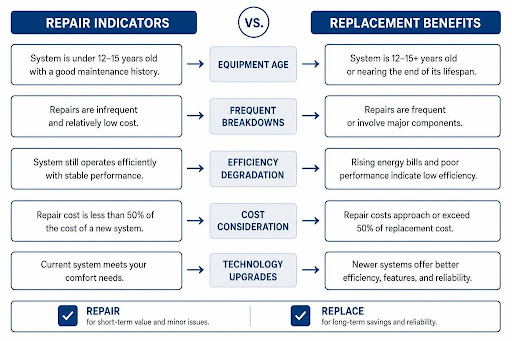
One of the most challenging decisions homeowners face is determining whether to repair a failing core system or invest in a complete replacement. This dilemma is particularly common with HVAC units, given their complexity and cost. Several factors weigh into this decision, including the system’s equipment age, the frequency and cost of frequent breakdowns, the extent of efficiency degradation, and the availability of newer technology upgrades. There’s a point where continued repairs become a financial drain, offering diminishing returns compared to the benefits of a new, more efficient system.
For instance, the average lifespan of an air conditioner, heat pump, or furnace is typically between 12 and 15 years, provided it’s been properly installed and maintained. If your system is approaching or has exceeded this age, even minor repairs might signal the beginning of the end. Frequent breakdowns, especially those requiring expensive parts like compressors or evaporator coils, can quickly add up, sometimes costing nearly as much as a new unit. Moreover, older systems inherently suffer from efficiency degradation; they cannot compete with modern units’ energy performance. The decision often boils down to a cost-benefit analysis that considers both immediate repair costs and long-term operational savings.
Signs Your AC Unit Needs Professional Attention
Recognizing the early warning signs that your AC unit needs professional attention can help prevent more extensive damage and discomfort. Ignoring these indicators can lead to complete system failure, often at the most inconvenient times during Bell Canyon’s hot summers.
One of the most common signs is short cycling. This occurs when your AC unit turns on and off frequently, running for only short periods. While it might seem like it’s working harder, short cycling is inefficient and puts excessive strain on the compressor. Various issues, including an oversized unit, a dirty air filter, a refrigerant leak, or electrical problems, can cause it. Regardless of the cause, it’s a clear indication that your system is not operating optimally and needs a diagnosis.
Strange noises emanating from your AC unit are another red flag. While some operational sounds are normal, grinding, squealing, banging, clanking, or hissing noises are not. Grinding or squealing often points to issues with motor bearings. Banging or clanking could indicate a loose or broken part within the compressor or fan assembly. A hissing sound might suggest a refrigerant leak. Any unusual sound warrants immediate professional inspection to prevent further damage.
Weak airflow from your vents is a clear sign that your system is struggling. This could be due to clogged air filters, ductwork blockages, a failing blower motor, or issues with the evaporator coil. Inadequate airflow means your home won’t be cooled effectively, and the system will run longer to try to compensate, leading to higher energy consumption and discomfort.
Finally, a noticeable increase in your high utility bills without a corresponding increase in usage is a strong indicator of inefficiency. An AC unit that is working harder due to dirty coils, low refrigerant, or other mechanical issues will consume more electricity to achieve the same level of cooling. If your energy bills are steadily climbing, it’s time to have your system professionally evaluated to identify and address the underlying cause of its inefficiency. Addressing these signs promptly with a qualified AC repair company ensures your system remains reliable and efficient.
Upgrading to Modern Energy-Efficient Solutions
When repairs become too frequent, the system is old, or efficiency is a major concern, upgrading to modern energy-efficient solutions offers significant long-term benefits for Bell Canyon homeowners. These advanced systems not only reduce energy consumption but also provide superior comfort and often qualify for various rebates and incentives.
Heat pumps are an excellent example of a versatile, energy-efficient solution. Unlike traditional furnaces that generate heat, heat pumps transfer heat. In summer, they move heat from inside your home to the outside, acting like an AC. In winter, they reverse the process, extracting heat from the outdoor air (even in cold temperatures) and transferring it indoors. This makes them incredibly efficient for both heating and cooling, especially in Bell Canyon’s mild winter climate, as they don’t consume fuel to create heat. Modern heat pumps can significantly reduce energy bills compared to separate furnace and AC systems.
Ductless mini-splits offer zoned comfort and are ideal for homes without existing ductwork, additions, or for specific areas that need independent temperature control. Each indoor unit has its own thermostat, allowing occupants to set different temperatures in different rooms, eliminating energy waste in unused areas. They are highly efficient, quiet, and offer both heating and cooling, making them a flexible, energy-saving option for many Bell Canyon homes.
For homes relying on furnaces for heating, upgrading to high-efficiency furnaces can lead to substantial savings. Modern furnaces boast Annual Fuel Utilization Efficiency (AFUE) ratings of 95% or higher, meaning they convert 95% or more of the fuel they consume into usable heat, compared to older models that might be 60-70% efficient. While the initial investment is higher, the long-term fuel savings can be significant, especially during colder periods.
Finally, integrating smart thermostats with any new or existing HVAC system can further enhance energy efficiency and convenience. These devices learn your preferences, can be controlled remotely via smartphone, and can optimize heating and cooling schedules based on occupancy, weather forecasts, and even utility rates. They provide valuable data on energy usage, empowering homeowners to make informed decisions about their comfort settings and energy consumption. By embracing these modern, energy-efficient solutions, Bell Canyon residents can enjoy a more comfortable home environment while significantly lowering their environmental footprint and utility costs.
Frequently Asked Questions About Home Exteriors and Core Systems
Homeowners in Bell Canyon often have specific questions about how to best maintain their properties, especially regarding the interplay between their home’s exterior elements and its crucial internal systems. Here, we address some of the most common inquiries to provide clarity and guidance.
How do home exteriors affect the efficiency of core HVAC systems?
The exterior of your home acts as its primary barrier against the elements, and its condition directly influences how efficiently your HVAC system operates. For example, a roof with poor insulation or dark, heat-absorbing materials can transfer significant heat into the attic and living spaces during Bell Canyon’s hot summers, forcing your air conditioner to work much harder and longer to maintain comfort. Similarly, unsealed windows, cracks in stucco, or gaps around doors allow conditioned air to escape and unconditioned air to infiltrate, creating drafts and making it difficult for your HVAC system to hold a steady temperature. Even the landscaping around your outdoor AC unit matters; proper shading can help the condenser operate more efficiently, while overgrown bushes can restrict airflow, reducing performance. Essentially, a well-maintained, properly insulated, and sealed exterior minimizes unwanted heat transfer, reduces air leakage, and creates a more stable indoor environment, allowing your HVAC system to run more efficiently, consume less energy, and last longer.
What are the signs of hidden plumbing leaks behind exterior walls?
Hidden plumbing leaks behind exterior walls can be particularly insidious because they often go undetected until significant damage has occurred. However, there are several key signs that Bell Canyon homeowners should look out for. A sudden and unexplained increase in your water bill is often the first and most telling indicator. Other signs include visible water stains or discoloration on exterior walls, especially near pipes or fixtures, which may indicate moisture seeping through. You might also notice peeling paint, bubbling plaster, or warped siding on the exterior, all of which suggest water damage. Inside the home, a persistent musty odor, even after cleaning, could indicate mold or mildew growth from a hidden leak. In some cases, you might hear the faint sound of dripping or running water when all fixtures are turned off. If you suspect a hidden leak, it’s crucial to contact a professional plumber who can use specialized leak-detection equipment to accurately locate the source without causing unnecessary damage to your home.
How often should core climate control systems undergo professional inspections?
For optimal performance, efficiency, and longevity, core climate control systems – specifically your heating and air conditioning units – should undergo professional inspections and maintenance at least twice a year. This means scheduling a tune-up in the spring (late March to early May) to prepare your AC for the summer cooling season, and another in the fall (late September to early November) to get your furnace or heat pump ready for winter heating. These biannual visits allow technicians to clean components, check electrical connections, lubricate moving parts, inspect refrigerant levels, and calibrate thermostats. This proactive approach helps identify minor issues before they escalate into major breakdowns, ensures your system operates at peak efficiency, and helps maintain manufacturer warranties. Given Bell Canyon’s climate, where both cooling and heating systems are heavily used, these regular professional inspections are a wise investment in your home’s comfort and your system’s lifespan.
Conclusion
In Bell Canyon, the synergy between our home’s exterior and its core systems is undeniable. We’ve explored how everything from stucco maintenance and roof integrity to proper condenser shading and sealed ductwork plays a pivotal role in the efficiency and longevity of our HVAC systems. The unique climate challenges, including intense heat spikes and dusty winds, underscore the critical need for vigilant maintenance and timely professional intervention.
By embracing proactive maintenance – such as biannual tune-ups, regular filter replacements, and diligent plumbing inspections – homeowners can significantly extend the life of their equipment, prevent costly emergency repairs, and ensure consistent comfort. Recognizing the signs that an AC unit needs attention, like short cycling or strange noises, and understanding when to consider an upgrade to modern, energy-efficient solutions are key to smart home management.
Investing in the care of our home’s core infrastructure is an investment in its long-term home value, comfort optimization, and overall structural protection. A well-maintained home is not only more enjoyable to live in but also more resilient and cost-effective to operate. By taking a holistic approach to home care, we ensure that our Bell Canyon residences remain comfortable, efficient, and valuable for years to come.