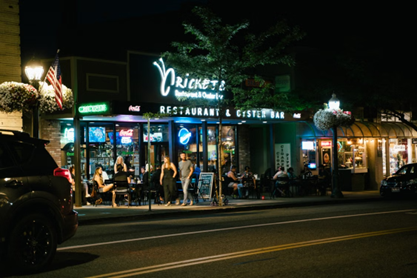
Guests decide within minutes whether they want to stay around or leave. For most outdoor entertainment areas, that decision depends on comfort, atmosphere, and what is there to do once the meal is over. Restaurants and bars that invest in their outdoors see real returns like more rounds ordered, longer stays, and repeat foot traffic.
If you are planning to expand your entertainment joint or host the upcoming event, the article shares the top six upgrades that attract more guests and increase their dwell time. Implementing them fast will see your restaurant and bar record more visitors and increased revenue.
Invest in Comfortable Lounge Seating
Outdoor seating is among the major drivers of how long your guests will be around. Hard metal chairs and tight table spacing make people eat and leave. Cushioned lounge seats and low-slung sectionals invite them to hang around. Guests who feel truly comfortable stay longer than those who are partially comfortable. Those extra minutes almost always mean more drinks or dessert orders.
Exterior commercial seats need to survive seasons of heavy use. Options like powder-coated aluminum and high-density polyethylene resist water and sun heat for months without looking cheap. The layout matters as well; a lounge cluster close to the bar fits social groups, while a quieter corner with lower chairs works better for couples. Having these sections gives different types of visitors a reason to stay. That is opposed to designing one setup that works adequately for everyone, but perfectly for no one.
Add Shade and Weather Protection
Outdoor dining areas face discomfort as the real enemy. Too much sun or rain will make a patio empty faster than a slow kitchen. Shade and weather protection are what set an outdoor entertainment area that fills up the whole year apart from one that only runs in sunny months. Pergolas and retractable awnings give visitors overhead cover without making them seem closed in. Ceiling fans also help on hot days, while patio heaters make cooler evenings bearable.
Clear polycarbonate roof panels block rain while still letting in natural light, particularly for venues that want a more permanent solution. The National Restaurant Association found that most people need temperatures of at least 60°F to comfortably sit outside without additional heating.
An outdoor area that only works three months of the year is only an expensive asset with no returns. Always build for the full range of conditions to make the outdoor area a reliable revenue driver and not a seasonal bonus.
Create an Atmosphere With Layered Lighting
Sufficient lighting shapes how long guests want to stay. Studies have shown that people in warmly lit and dimmer settings stay about 16% longer than those in brightly lit areas. Layered lighting for entertainment zones means installing ambient light for general visibility, task lights on dining surfaces, and accent lighting to add depth and space definition. String lights add warmth overhead, and in-ground LED markers outline pathways for safe movement. Lastly, candles or low-profile table lamps create intimacy at the table level.
If you are going for a full restaurant redesign, firms like I-5 Design Build bring an integrated approach to outdoor areas. They handle everything from planning to installation, with lights becoming part of the overall guest experience and not an optional addition. This ensures the lighting plan changes as the evening progresses, turning from brighter afternoon settings toward warmer, dimmer tones as dinner service begins.
Introduce Entertainment That Encourages Guests to Stay
Guests will leave after eating or drinking unless there is enough reason to stay more hours. Good dishes bring people in, but entertainment is what keeps them there. Live music is one of the most effective tools to attract visitors and convince them to spend more money around.
Even one acoustic performer can change the vibration of an entire entertainment joint. Outdoor TVs for sports, trivia nights, games, and fire pits can also create gathering points that encourage more drinks and longer visits for bars in particular.
Consider the type of evening your guests are already trying to have, and design the entertainment around that. Outdoor spaces with active programming see meaningful dwell times and higher spend than passive areas that only provide seats.
Use Landscaping to Create Privacy and Comfort
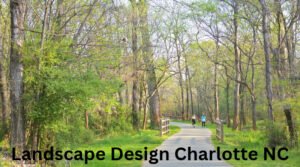
Plants and greenery do something structural elements cannot. They make guests feel tucked away from the street and the noise without closing the space off entirely. That sense of enclosure drives comfort, which translates to guests staying longer.
Tall planters, fences, and vertical garden walls define zones without requiring permanent construction. They also absorb noise and wind and soften hard surfaces that can make outer areas feel cold or institutional. They also absorb noise and wind and soften hard surfaces that can make outer areas feel cold or institutional. These natural elements are considered to be up to 25% more valuable by customers.
Landscaping also solves the problem of sightlines. Diners sitting near a busy street or adjacent to strangers are less inclined to relax. Careful planting improves visual separation without leaving out the open-air feel that makes entertainment a driving factor in the hospitality sector.
Most local authorities also encourage landscaping around outdoor eating areas as part of the permit process. Only make sure they are healthy and well-maintained, which shows you value the natural environment.
Design Flexible Spaces for Events and Social Gatherings
A fixed layout limits revenue. A flexible one opens the door to private events and group bookings that fill seats on slower days. Modular seating plans and retractable dividers let you transform the same area from a casual dining location to a private buyout without an hour. Creating a small stage area or a special corner for live performances tells event organizers that there is room available for them.
Think about the mix of table types. Two-tops handle couples and walk-ups, while four-tops cover dinner groups. Low lounge clusters stretch cocktail revenue. Larger communal tables work for celebrations and group dinners.
The strongest outdoor layouts combine these formats without making the patio feel like four different spaces. A flexible layout is what turns a simple patio into a bookable and profitable venue.
Endnote
Outdoor areas that are comfortable, visually appealing, and meant for more than just eating usually hold visitors well beyond the last meal. The improvements covered here work together, where seating sets the tone and strategic shade makes the area usable the whole day. More entertainment gives people a reason to visit, while thoughtful landscaping and flexible designs make them relaxed. As a restaurant or bar owner, start with what your current space is missing most and build from there.