Key Takeaways
- Outdated office designs are failing to meet the productivity and well-being needs of today’s workforce.
- Flexible, adaptable workspaces with short-term leasing options are trending as companies shift to hybrid work models.
- Adding wellness amenities and smart tech integration increases employee satisfaction and helps attract and retain top talent.
As the future of work continues to transform, companies must adapt their office environments to serve the needs of a changing workforce better. No longer are rigid, traditional layouts sufficient for supporting collaboration, innovation, and employee satisfaction. Today’s organizations are seeking workplace designs that balance flexibility and well-being while maintaining a sense of community. For those searching for dynamic office solutions in New York City, consider exploring NYC office space for lease that can accommodate today’s evolving work styles.
Modern office environments now prioritize physical and mental well-being along with productivity and teamwork. These priorities have sparked a shift toward new office concepts, including flexible workspaces, smart technology integration, and wellness-focused features. Businesses are rethinking how to use their physical spaces most effectively, with employee comfort and engagement driving their design choices.
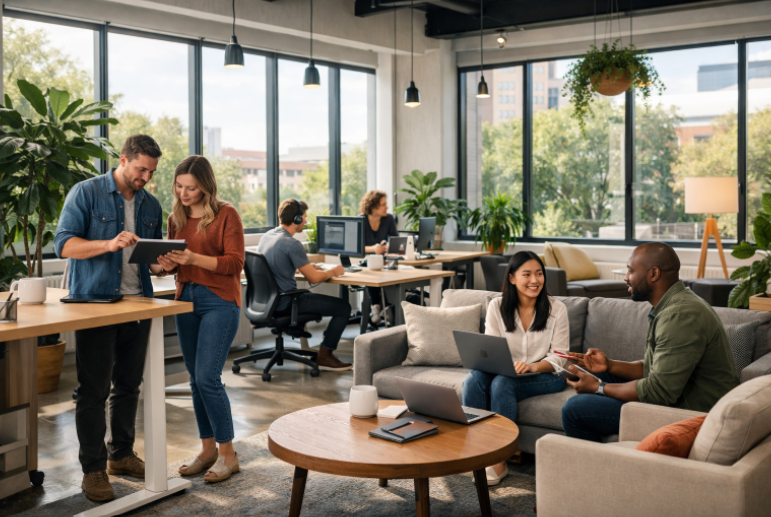
The need for adaptable office layouts has never been clearer. With the rise of hybrid and remote work models, companies are searching for ways to keep employees inspired and connected, whether they are on-site or working remotely. Enhancements such as increased natural light, spaces for informal collaboration, and amenities that promote a healthy work-life balance are now considered essential.
In addition, the growing focus on sustainability is guiding decisions on materials, energy efficiency, and social responsibility in office design and use. Businesses recognize that responsible workplace planning can have meaningful long-term impacts for both people and the planet.
Changing Needs of the Modern Workforce
The workforce of today demands more than cubicles and corner offices. According to a Unispace survey, a staggering 95% of employees want their physical office spaces improved, with nearly half reporting a positive impact on mental health when working remotely. This changing sentiment reflects a broader movement toward employee-centric design, where comfort and flexibility are prioritized alongside traditional business needs. Offices need to provide more than a desk; they must offer experiences that foster collaboration and creativity, especially as organizations compete to bring employees back on-site while supporting hybrid teams.
Flexibility in Office Design
Today’s companies recognize the importance of dynamic workspaces. The adoption of flexible office concepts allows employers to offer a variety of seating arrangements, modular meeting rooms, and communal areas that can be quickly adapted as business needs change. This flexibility is also reflected in real estate decisions, with many companies moving toward short-term leases and satellite offices to accommodate fluctuating headcounts and project-based teams better. Reports from Unispace highlight that adaptability supports greater employee satisfaction and engagement, essential components of a successful modern workforce.
Prioritizing Employee Well-being
Employer focus has shifted to include not only physical safety but also holistic well-being. Many organizations are enhancing their office spaces with wellness amenities, such as gyms, relaxation lounges, and larger pantries, to foster informal socialization. Design elements like increased natural light, biophilic design, ergonomic furniture, and soundproof areas for privacy help create an atmosphere where employees feel comfortable and valued. Investing in staff well-being directly contributes to retention and engagement while reducing absenteeism and burnout.
Technology Integration
The integration of smart technology into the workplace provides vital support for hybrid work models. Features such as app-based room bookings, automated lighting and climate control, and smart access systems enable businesses to manage resources efficiently and enhance the employee experience. These tools create seamless connectivity between on-site and remote workers, ensuring that collaboration is never limited by physical location. Deloitte’s research on the workplace of the future emphasizes the importance of technological advancements that not only drive productivity but also move organizations closer to sustainability goals.
Sustainability and Environmental Considerations
Sustainable office design is a cornerstone of modern workplace strategy. Companies are taking proactive steps to minimize their environmental impact and better accommodate fluctuating headcounts and project-based teams, integrating green building materials and energy-saving technologies. The shift toward coworking models and shared spaces further reduces resource consumption. In turn, these changes support broader corporate social responsibility goals and appeal especially to environmentally conscious employees and clients. For organizations seeking to maximize their impact, investing in sustainability isn’t just good ethics; it’s good business.
Case Studies of Successful Office Redesigns
Industry leaders continue to shape workplace trends through innovative office redesigns that prioritize flexibility, collaboration, and employee well-being. Many prominent technology companies have replaced conventional office layouts with activity-based workspaces tailored to support diverse workstyles, from focused individual tasks to team brainstorming sessions. These environments feature dedicated collaboration zones, quiet rooms, comfortable lounges, and multipurpose meeting spaces. Although organizations often reduce their overall office footprint, they invest in premium amenities, ergonomic furnishings, and inviting communal areas that enhance productivity, encourage innovation, strengthen workplace culture, and improve employee satisfaction.
Future Trends in Office Space Utilization
Looking ahead, the momentum will continue toward flexible, experiential office spaces that accommodate both in-person and remote work. Businesses are expected to expand the range and quality of amenities further, enhance wellness features, and prioritize green initiatives in future office designs. Employee-centric strategies, such as offering a variety of work settings, implementing flexible scheduling, and maintaining hybrid options, will remain central to attracting and retaining top talent.
As organizations, investors, and property owners navigate the evolving workplace, adopting innovative office space strategies is increasingly important for long-term success and urban revitalization. Flexible leasing models, mixed-use developments, adaptive building conversions, and smart workplace technologies can improve property value, meet changing tenant expectations, and strengthen local economies. By embracing these forward-thinking solutions, businesses and communities can respond more effectively to shifting market demands while fostering collaboration, sustainability, and economic resilience. Proactive investment in modern workplace concepts will help shape vibrant, adaptable cities and support the future of work for years to come.