Introduction
In Rock Hill, South Carolina, commercial kitchens play a vital role in the local community, from beloved diners to busy restaurants serving Southern favorites. However, a crucial aspect often overlooked is the need for clean and well-maintained grease traps. When these devices are neglected, even the most well-run establishments can suffer plumbing emergencies that lead to extensive downtime and expensive repairs. Learning about regular grease trap cleaning in Rock Hill can save businesses both time and money by minimizing disruptions and keeping everything flowing smoothly.
With unique weather patterns and changing seasons in Rock Hill, plumbing systems experience a variety of challenges. Clogged pipes, foul odors, and regulatory pressures make frequent grease-trap cleaning more essential in this region. In any commercial kitchen, taking proactive steps toward effective maintenance is not just about compliance but also about ensuring a healthy, productive environment for staff and guests.
Understanding Grease Traps
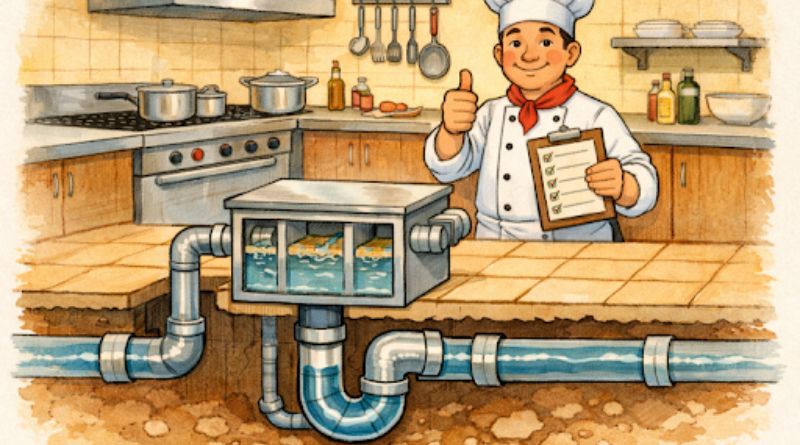
In towns like Rock Hill, local eateries rely on grease traps to intercept fats, oils, and grease (FOG) before it reaches the plumbing and city sewer systems. By doing so, they protect not only their own pipes but also help the entire municipal infrastructure. When grease accumulates beyond the trap’s capacity, wastewater flow is impeded, increasing the risk of backups and flooding. Regular inspection and cleaning are essential to keep these traps operating as intended.
Preventing Clogs and Backups
In a busy Rock Hill kitchen, FOG accumulates quickly, and neglected grease traps can soon become a source of recurring blockages. When pipes are clogged with grease, everything from dishwashing to food preparation comes to a halt. By scheduling routine cleanings, business owners can prevent this all-too-common scenario, ensuring the kitchen functions efficiently and without interruption.
Extending Plumbing System Lifespan
One often overlooked benefit of grease trap cleaning is the long-term protection of a building’s entire plumbing system. Hardened grease forms layers that corrode pipes and cause costly leaks, often leading to irreparable damage over time. With each scheduled visit from a qualified residential plumber in Rock Hill, business owners ensure their plumbing stays in top shape while avoiding the high costs of replacements and emergency repairs.
Ensuring Compliance with Health Regulations
South Carolina has specific health codes to ensure commercial kitchens are sanitary and safe. Rock Hill restaurants and cafeterias are not exempt from these rules. Keeping grease traps clean is an important part of passing inspections and maintaining an active business license. Violations can lead to fines or closures, and in some cases, a business’s reputation may suffer. For more details on how local regulations impact businesses, visit the South Carolina Department of Health and Environmental Control website.
Reducing Unpleasant Odors
One of the most immediate and noticeable benefits of regular grease trap cleaning is the reduction of unpleasant odors in and around your establishment. When food particles and grease decompose in a neglected trap, offensive smells quickly permeate dining areas and kitchens, resulting in a negative customer experience. Consistent cleaning creates a welcoming environment where staff and guests can focus on the food and hospitality that define Rock Hill’s thriving dining scene.
Minimizing Emergency Plumbing Costs
Plumbing emergencies can bring even the most robust business to a standstill, often requiring immediate and costly intervention. In many cases, the expense of emergency service is much higher than that of regular maintenance. Restaurants that prioritize preventative care avoid the stress and financial burden of after-hours calls and critical repairs. According to the EPA’s grease management guidelines, proactive maintenance not only saves money but also improves water quality and environmental health.
Implementing a Regular Cleaning Schedule
The volume of FOG generated by each kitchen varies, making it crucial to develop a tailored grease trap cleaning routine. In Rock Hill’s busier establishments, monthly maintenance may be necessary, while smaller operations might require quarterly visits. Professionals will assess your needs based on your output, size, and usage patterns, helping to ensure you stay ahead of any potential issues. Working with a reliable service provider ensures peace of mind and consistent operations.
Conclusion
In Rock Hill, South Carolina, regular grease trap cleaning is a fundamental practice for every commercial kitchen. It protects your business, your reputation, and the wider community from avoidable plumbing crises, unpleasant facilities, and costly penalties. By committing to a cleaning schedule and working with skilled plumbing professionals, businesses can support a clean, inviting environment for everyone who enjoys Rock Hill’s hospitality.