Dealing with unexpected water damage can feel overwhelming and stressful. Whether the cause is a burst pipe, heavy rain, or a faulty appliance, acting quickly is essential to minimize harm. Knowing what steps to take can help you recover faster and avoid long-term problems. If you are facing a flood or leak, consider contacting a water damage restoration Southwest Florida for immediate professional help.
Water in your home does not just ruin surfaces and belongings; it can also cause serious damage. If it is not cleaned and dried properly, it can lead to structural issues and even threaten your family’s health. A clear plan makes it easier to stay calm and get things back to normal as soon as possible.
Taking safety precautions comes first. Once you are sure the area is safe and the water source has been stopped, you can move on to cleaning up, documenting the damage for insurance, and beginning repairs. Understanding these steps in detail will make the process easier to handle.
For greater peace of mind, you may want to schedule regular professional inspections to detect hidden leaks before they become major issues. Tools and services such as water leak detection Southwest Florida can catch problems early and help safeguard your home.
Ensure Safety First
Before tackling any damage, always prioritize safety. Start by turning off the main power supply if water is near electrical outlets or devices. Water and electricity are a risky mix and can cause shocks or fires. If you are unsure about turning off power safely, contact a professional electrician before entering the affected area.
Next, check the source and type of water. Clean water from pipes is less dangerous, but if the water is tainted with sewage or chemicals, stay away until professionals arrive. Contaminated water exposes you to harmful bacteria and poses a serious health risk.
Stop the Water Source
Once safety is secured, locate the water source and shut it off. This might mean shutting off your home’s main water valve or closing the supply line to a broken appliance. If flooding is caused by heavy rain or outside water, use sandbags or other barriers around entry points to help keep water out. Quick action prevents even more damage during storms or plumbing failures.
Document the Damage
Carefully document everything before you start cleaning up. Take clear photos and videos of wet floors, walls, ceilings, furniture, and other affected items. Note damage to walls, personal items, and any removable items. Keeping a written list can help you remember details that photos may miss.
This documentation is vital for filing a successful insurance claim and acts as your record if you need to hire repair specialists later. Save any receipts for emergency repairs and materials you buy.
Contact Your Insurance Provider
Call your home insurance company as soon as possible. Explain the situation, and share the photos and details you recorded. Your insurance agent will walk you through the process, tell you how to file your claim, and may recommend local restoration specialists. Sometimes an insurance adjuster will visit to assess the damage themselves.
Remove Standing Water
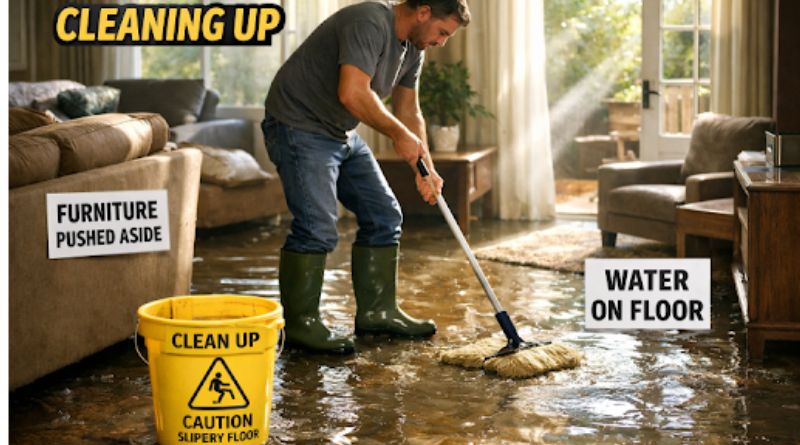
Getting rid of standing water reduces the chance of further destruction and prevents mold growth. Use buckets, mops, or a wet/dry vacuum for small spills. For larger amounts, a sump pump can speed the job, especially in basements. Remove soaked rugs, furniture, and unsalvageable items right away to allow the floor to dry.
Be sure to wear waterproof gloves and boots if the water may be dirty or has been standing for more than 24 hours, since dangerous bacteria can begin to grow.
Dry and Dehumidify
Fast, thorough drying is the next step. Open windows and doors to let in fresh air. Fans, air movers, and dehumidifiers pull moisture out of the air and hidden spaces. Always check walls, baseboards, and under floors for trapped water, as hidden moisture can cause mold to grow and wood to warp. Use moisture meters to confirm that surfaces are actually dry before proceeding with repairs.
According to the U.S. Environmental Protection Agency, acting quickly, within 24 to 48 hours, is the best way to prevent mold after water damage.
Clean and Sanitize
After the area is dry, disinfect all affected surfaces. Mop or wipe floors and walls with a solution of water and household disinfectant to remove germs and bacteria. Pay special attention to areas where water may have collected, such as closets, behind appliances, and inside cabinets.
If you notice signs of mold (like a musty smell or visible patches), it is best to call a mold remediation professional. Mold can spread quickly and often isn’t visible.
Repair and Restore
Now you can start repairs and replacement. Replace ruined drywall, flooring, and insulation. Shared spaces and personal belongings, such as carpets and furniture, may also need to be replaced. Finish repairs by painting walls and installing new baseboards or trim to return your home to its original appearance. Professional contractors can help ensure the job is done safely and completely.
For advice on choosing a trustworthy contractor, resources like Kiplinger’s guide on what to ask a contractor before a renovation provide helpful tips.
Prevent Future Water Damage
Once your home is back to normal, take steps to guard against future problems. Inspect your roof, gutters, plumbing, and appliances often. Look for leaks under sinks, around toilets, and in basements. Install water leak detectors for early alerts if trouble starts.
Regular maintenance and smart upgrades keep your home safe, your family healthy, and insurance costs lower.
Using these steps helps you recover from unexpected water damage and prepares you to prevent it from happening again.