Modern living demands more than comfort and style. Today’s homeowners are increasingly focused on energy efficiency to cut costs and reduce environmental impact. Strategic renovations can make a home more sustainable, improve indoor air quality, and lower monthly utility bills. For those seeking expert guidance on energy upgrades, working with a trusted window contractor in Northern Virginia can provide tailored solutions to increase efficiency and overall home value.
By approaching renovations through a sustainability lens, homeowners can enjoy a more comfortable environment and contribute to a greener planet. Prioritizing energy-efficient upgrades not only future-proofs your home but also allows you to benefit from evolving technologies and government incentives.
Enhancing Home Insulation
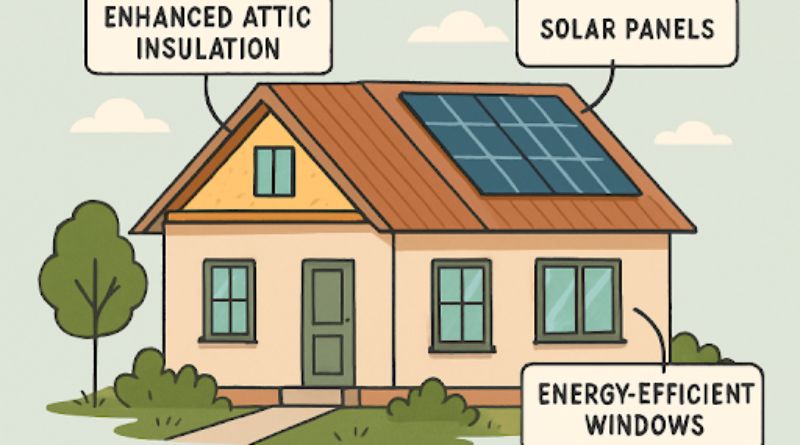
Quality insulation forms the backbone of every energy-efficient home. The attic, exterior walls, and even less-accessible areas like basements and crawl spaces benefit from upgraded insulation. By minimizing unwanted heat transfer, homeowners can maintain a steady indoor climate during hot summers and freezing winters. Materials such as fiberglass, cellulose, and foam insulation work by trapping air within the structure, dramatically reducing energy loss and the need for heating and cooling systems to work overtime.
According to the U.S. Department of Energy, homeowners can save up to 15% on heating and cooling costs simply by adding insulation in attics, crawl spaces, and basements. Addressing these areas first can provide immediate returns on investment without major renovations. Even smaller issues like leaks around windows and doors should be sealed to maximize the impact of new insulation. For technical guidance, Energy Star offers comprehensive recommendations on insulation best practices.
Installing High-Efficiency Heat Pumps
High-efficiency heat pumps present a sustainable alternative to traditional HVAC systems. These devices function as both heaters and air conditioners, moving heat either into or out of your home depending on the season. They are known for their impressive energy savings and ability to maintain comfort throughout the year. Many models can reduce electricity consumption by up to 50% compared to systems using electric resistance heating or standard air conditioning.
The environmental benefits extend beyond energy savings. Electric heat pumps minimize reliance on fossil fuels and produce fewer greenhouse gas emissions. Advances in technology have also made these systems more efficient in colder climates, making them a viable solution across a wider range of geographical areas.
Upgrading to Smart Thermostats
Smart thermostats offer homeowners unprecedented control over heating and cooling, with the potential to save up to 30% on annual energy bills. These devices are designed to learn your household’s routines and preferences. Over time, they automatically adjust temperature settings to match occupancy and reduce waste when no one is home. Most smart thermostats can be controlled remotely through smartphone apps, providing peace of mind and further optimization opportunities.
The advantages go beyond convenience and savings. Many smart thermostats can also provide valuable insights into your energy consumption patterns, helping you make smarter decisions about home energy use.
Integrating Solar Roofing and Energy-Harvesting Windows
Solar technology is quickly reshaping residential renovation strategies. Solar roofing options, including photovoltaic shingles and tiles, not only match modern architectural styles but also generate renewable electricity directly from the sun. Energy-harvesting windows, equipped with transparent solar coatings, provide another innovative path to sustainable power generation while preserving natural light and aesthetics.
With efficiency and design improvements, these technologies are gaining widespread popularity. Integrating solar solutions can substantially reduce or even eliminate energy bills, and many systems are designed to store surplus power for use at night or during outages. As grid infrastructure continues to evolve, residential solar technology will only become more accessible and affordable to mainstream homeowners.
Choosing Sustainable Building Materials
The choice of materials can make a significant difference in both a home’s environmental impact and its long-term durability. Bamboo flooring, for example, has surged in popularity due to its rapid growth rate and hardiness, making it an excellent renewable alternative to traditional hardwood. Reclaimed wood, salvaged from old buildings or barns, gives new character to interiors while reducing demand for new lumber production.
Many advanced insulation products now use recycled content, offering the dual benefit of superior performance and a reduced footprint. Recycled glass tiles, rapidly renewable cork, and low-VOC paints can all be incorporated to create a healthier and more sustainable home environment.
Implementing Water-Saving Fixtures
Energy efficiency extends to water use as well. Modern water-saving technologies require less hot water, thus reducing the energy needed for heating. Low-flow toilets and showerheads are engineered for optimal performance with a fraction of the water, trimming usage by up to 60%. A family using low-flow fixtures can save significant amounts on annual water bills while easing the environmental burden on local water resources.
Simple upgrades like aerated faucets and dual-flush toilets can also make a measurable difference. In addition to the cost savings, water-efficient fixtures help support community sustainability goals and ongoing conservation efforts.
Navigating Financial Incentives for Energy Renovations
Financial incentives are driving broader adoption of energy-efficient renovations. Federal tax credits, such as those provided under the Inflation Reduction Act, can offset up to 30% of the cost of solar panels, heat pumps, energy-efficient windows, and battery storage. Homeowners may also be eligible for rebates up to $1,200 a year for general energy efficiency improvements and up to $2,000 for heat pump installations.
Many local and state governments offer additional support, making it easier for homeowners to justify the initial investment. These can include rebates for specific upgrades, grants, or low-interest financing options. By combining federal and local incentives, energy-efficient renovations often pay for themselves much sooner than many homeowners expect.
Conclusion
Energy-efficient renovations go beyond simple upgrades. They offer meaningful benefits for your home, wallet, and the planet. By focusing on effective insulation, efficient heating and cooling, smart controls, solar generation, sustainable materials, and water conservation, homeowners ensure lasting comfort and value. When supported by generous incentive programs, these enhancements deliver both immediate and long-term returns. Choosing to make these changes today means embracing a more sustainable and rewarding lifestyle for many years to come.