Tree stumps left behind after tree removal can be a nuisance as well as a potential hazard in your landscape. Many property owners look for practical ways to remove stumps that avoid harmful chemicals or unnecessary waste. If you are seeking an environmentally sound approach for stump removal, you have several effective options. Alternatively, if you need professional help, a local stump grinding company in Asheville, NC can make the process quick and hassle-free. Learning about the variety of safe methods can help you select a solution suited to your landscape and values.
Sustainable stump removal is all about choosing strategies that preserve your soil, protect local wildlife, and minimize pollution. Whether you prefer to let nature take its course or wish to repurpose your stump for creative landscaping, you can find an approach that works for your property. In this article, you’ll discover hands-on techniques and alternative solutions that contribute to a vibrant, thriving garden space.
Natural Decomposition
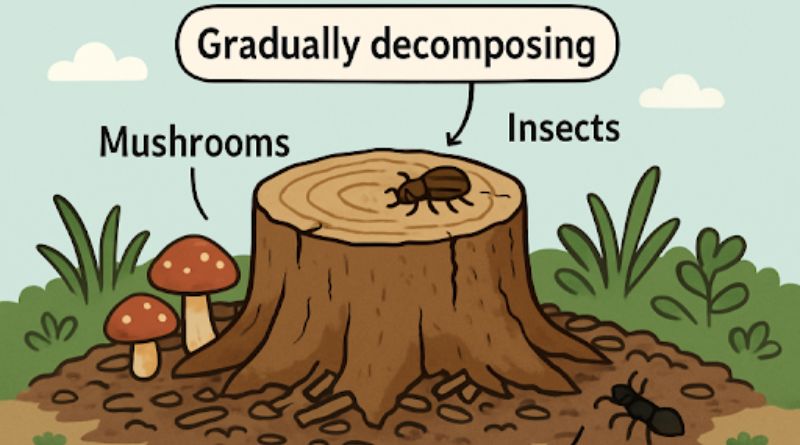
Letting a stump break down in place is the most eco-friendly approach. By keeping the area moist and providing plenty of organic material, you can encourage beneficial fungi and bacteria to break down the wood over time. To accelerate this natural decay, drill several deep holes into the stump, fill them with water, and cover the entire stump with mulch or compost. Optionally, add a nitrogen source, such as a high-nitrogen fertilizer, which helps fuel the microbes that digest wood.
While natural decomposition doesn’t provide instant gratification, it is a safe and non-invasive method. Depending on stump size and wood hardness, full decomposition can take anywhere from several months to several years. This patience pays off by improving soil structure and supporting habitat for pollinators and decomposers. For more on soil and garden health, the Gardening Know How article on mushrooms in garden beds and lawns offers helpful background.
Epsom Salt Application
Epsom salt (magnesium sulfate) provides an organic method to speed up stump decay safely. Drill holes throughout the stump and fill them with Epsom salt, then add water so the salt dissolves and seeps into the wood. Covering the stump with plastic and mulch traps heat and moisture, further accelerating breakdown. This is an especially good method if you want to avoid any synthetic chemicals yet want the stump gone within a season or two.
Take care not to overdo the salt, since excessive concentrations may affect surrounding plants. Reapply the salt every few months until the stump softens and loses its structural integrity.
Manual Removal
If the stump is modest in size, consider a hands-on approach. Start by digging around the perimeter to expose the roots. Use a pruning saw, mattock, or axe to cut through major roots. Once most roots are severed, use leverage from a shovel or pry bar to loosen and remove the stump from the ground. While it requires some muscle and time, this approach is zero-waste and lets you replant or refurbish the area immediately.
For large or deeply rooted stumps, manual removal may be too physically demanding. In such cases, mechanical removal (detailed below) might be a better fit.
Solarization
Using the sun’s power is another low-effort, sustainable technique. Cover the stump with a heavy black plastic tarp to absorb and retain heat. In warm climates, sunlight under the tarp effectively cooks and decomposes the stump. Secure the edges with stones or stakes to keep the tarp in place, and let the sun do most of the work over several months to a year.
For quicker decomposition, combine this technique with drilling and filling the stump with Epsom salt or fertilizer. Solarization is especially useful in summer when sunlight is plentiful.
Mushroom Cultivation
Turn stump removal into an edible garden project by cultivating mushrooms like oyster or shiitake. Purchase mushroom plug spawn or dowels suited for wood growth. Drill holes into the stump, insert the spawn, and seal with wax. Keep the area moist and shaded, and mushrooms will both break down the wood and provide a harvest over time.
This creative solution benefits soil health and increases biodiversity.
Mechanical Removal
Larger or stubborn stumps are best handled with a stump grinder. These machines grind the wood below soil level, making the area ready for replanting or landscaping. Stump grinding should be operated by professionals or with serious caution. The mulch produced can be used in the garden, which further reduces waste. Mechanical removal is one of the fastest ways to clear a stump and is widely available.
Repurposing Stumps
If the stump’s location does not require removal, consider transforming it into a garden feature. Hollow out the center for use as a planter, create a rustic stool or table, or simply allow it to serve as a habitat for birds and beneficial insects. Repurposing avoids waste and adds unique character to your landscape, making the most sustainable use of what remains.
Safety Considerations
Always prioritize safety and the environment when choosing a stump removal method. Avoid chemical herbicides as they can persist in the soil and harm local flora and fauna. Likewise, refrain from burning stumps since this can contribute to air pollution and risk uncontrolled fire. If attempting manual or mechanical removal, wear appropriate protective gear and follow all recommended safety protocols. Consult local guidelines and turn to professionals as needed to ensure a safe, eco-friendly outcome.