Key Takeaways
- Routine maintenance dramatically boosts efficiency and extends the lifespan of water heaters.
- Temperatures set at 120°F safeguard comfort, energy savings, and safety.
- Annual flushing, checks, and insulation can prevent the most common issues.
- Professional inspections identify and resolve problems before they escalate.
Maintaining an efficient and reliable water heater is key to ensuring you have hot water when you need it most. Regular care not only extends the life of your unit but can also help lower your energy bills by ensuring the system performs optimally. For residents seeking expert water heater repair in Hallettsville, TX, or simply looking to maximize their current system, following a consistent maintenance schedule is crucial for year-round comfort and cost savings.
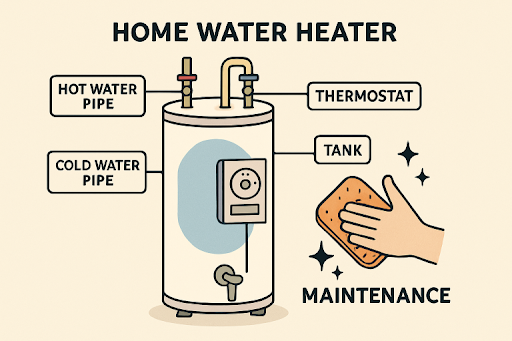
Neglecting regular maintenance can lead to unexpected breakdowns or costly repairs. Simple maintenance steps can prevent everything from sediment buildup to thermostat malfunctions. Whether your home uses a gas, electric, or tankless water heater, these practical tips will keep it running smoothly throughout the seasons.
Adjust the Temperature Setting
Your water heater’s thermostat is often set too high by default, which wastes energy and can create a scalding hazard. Setting it to 120°F is generally sufficient for most household activities and helps to keep your utility costs in check. For every 10°F reduction in temperature, you can expect to reduce energy use by 3 to 5 percent.
Flush the Tank Annually
Over the course of a year, minerals and sediments gradually accumulate at the bottom of storage water heaters. This buildup not only reduces efficiency but may also create strange noises and decrease the tank’s lifespan. Flushing your water heater annually removes sediment, allowing the heating element to operate more efficiently. For a simple guide on flushing, refer to the manufacturer’s instructions or consider a professional service if you’re unsure about the process.
Inspect the Anode Rod
The anode rod draws corrosive minerals away from the tank lining, protecting it from rust and leaks. It is essential to check the anode rod every one to three years. If the rod is more than 75 percent corroded, replacing it is a relatively inexpensive way to prevent a costly water heater failure. Ignoring this step can cause your tank to deteriorate quickly, leading to leaks and the need for a complete replacement.
Insulate the Tank and Pipes
Insulation is a simple yet effective way to preserve heat and save energy. By wrapping your tank in an insulating blanket and covering the first few feet of hot water pipes, you can reduce standby heat loss, especially if the water heater is installed in a cold space. Older units and those in garages, basements, or crawlspaces benefit the most.
Test the Pressure Relief Valve
Every water heater is equipped with a pressure relief valve that releases water when excess pressure builds up inside the tank. Testing this safety mechanism once a year is critical. Simply lift the lever partway and allow some water to pass through the discharge pipe, if the valve does not operate smoothly or continues to leak after testing, it should be replaced immediately to avoid potential hazards.
Schedule Professional Inspections
Even if you regularly perform basic upkeep tasks, an annual checkup by a licensed plumber is recommended. A professional can spot hidden problems like internal rust, small leaks, or deteriorating components that you might overlook. An expert assessment not only ensures optimal performance but can also prevent major malfunctions and costly water damage in the long run.
Utilize Vacation Mode
If you plan to be away from home for more than a few days, switch your water heater to “vacation” mode. This setting maintains the pilot light and protects the tank in colder climates, but does not keep the water at a normal temperature. Using vacation mode prevents energy waste and lessens wear on your system during periods of non-use.
Consider Upgrading to a More Efficient Model
Water heaters typically last about a decade. If yours is reaching the end of its useful life, upgrading to a new, energy-efficient model can provide significant savings. Tankless systems heat water only as needed, eliminating standby losses and providing continuous hot water. Modern storage water heaters feature improved insulation and higher energy ratings than older units, helping offset the initial cost of replacement over time.
Conclusion
Caring for your water heater with these proactive maintenance steps helps ensure a consistent supply of hot water, improved safety, and long-term savings on your utility bills. Implementing annual checks, keeping components in good repair, and considering an upgrade when needed are small efforts that pay big dividends in household comfort and efficiency.