Engineered hardwood flooring is increasingly recognized among homeowners and professionals for its appealing blend of strength, beauty, and practicality. As demand for stylish, long-lasting flooring grows, engineered hardwood stands out for its innovative construction and significant benefits. Whether you are planning a remodel or considering a new installation, understanding the unique advantages of engineered hardwood can help you make a well-informed choice for your living space. Home upgrades, such as hardwood floor installation, not only enhance your home’s aesthetics but also improve its functionality and value over time. By choosing the right materials, you ensure your investment lasts and brings enjoyment for years to come, making flooring decisions some of the most influential in home improvement projects.
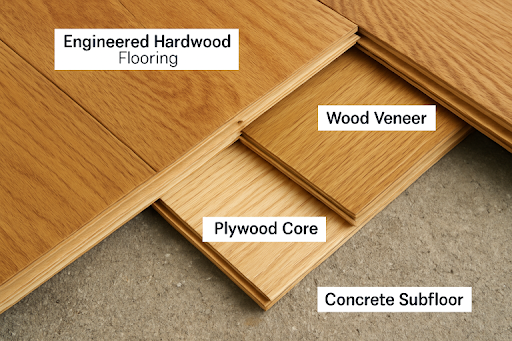
Engineered hardwood is a multi-layered flooring solution designed for enhanced stability and versatility, making it suitable for a wide range of environmental conditions. Unlike traditional solid wood, it consists of real wood veneers over core materials arranged crosswise, which helps it withstand daily wear and fluctuating climates. This guide explores the growing popularity of engineered hardwood for its durability, ease of maintenance, and adaptability in different living situations. Its flexible installation methods enable it to be used in challenging areas, such as basements, providing a practical and stylish alternative that aligns with modern lifestyles.
Dimensional Stability
Engineered hardwood is valued for its impressive dimensional stability, a feature that truly sets it apart from traditional solid wood options. Made by bonding several layers of wood in a crosswise pattern, engineered hardwood resists movement caused by changes in moisture and temperature. These internal layers work together to counteract wood’s natural tendency to expand and contract, ensuring a more stable surface underfoot. This structural design minimizes the risks of common hardwood issues such as warping, cupping, or gapping, making it a superior choice for regions with fluctuating climates. As highlighted by Forbes, this multi-layered approach provides lasting structural integrity, even when installed over concrete or in moisture-prone areas. It’s this engineered strength that makes the material reliable for challenging installations and for use in rooms such as kitchens, basements, and other areas where moisture might otherwise pose a challenge.
Versatile Installation
Flexibility is another key reason for the popularity of engineered hardwood flooring. Thanks to its construction, this flooring can be installed in places that would challenge solid hardwood, such as basements and over radiant heat systems. With engineered hardwood, homeowners can choose from three installation techniques: glue-down, nail-down, or floating (click-lock). This means that the planks can be locked together or secured with adhesives, allowing for faster installations and the ability to lay flooring over tough subfloors like concrete slabs, old tile, or uneven base layers. This wide range of options makes it easier to adapt engineered hardwood flooring to a variety of subfloors and spaces, ensuring a smooth installation process. Contractors and do-it-yourself (DIY) enthusiasts alike appreciate how the product’s flexibility reduces labor time and costs, making it a logical choice for projects with tight timelines or budgets.
Durability and Maintenance
The surface of engineered hardwood features a real wood veneer, offering the same classic look as traditional hardwood. This veneer may vary in thickness, but it typically provides the authentic grain patterns, color variations, and unique characteristics found in nature. Depending on the thickness of this top layer, some engineered floors can even be sanded and refinished once or twice during their lifespan, extending their practical use. Many manufacturers finish engineered wood with tough protective coatings that resist scratches, staining, and fading, making it an excellent choice for high-traffic zones in homes. Surface treatments can include urethane or aluminum oxide to maximize lifespan, even under conditions where kids, pets, or frequent guests pose extra challenges for flooring. Maintenance requirements are minimal: routine sweeping and occasional damp mopping are usually sufficient to keep these floors looking fresh and clean. Because the top layer is durable yet easy to care for, engineered hardwood simplifies household cleaning and helps retain its luster with little effort.
Eco-Friendly Choice
Engineered hardwood is a sustainable flooring solution for eco-conscious consumers who want a beautiful home without overstraining forest resources. Since its core is made from fast-growing woods such as plywood or high-density fiberboard, demand for slow-growing hardwoods is reduced. Engineered planks typically use a thin veneer of premium hardwood layered atop more abundant support materials, maximizing resource utilization. This not only preserves precious hardwood resources but also ensures minimal environmental impact throughout production. Many engineered hardwood products are certified by organizations for responsible sourcing and can contribute points toward green building programs. The careful use of natural materials without sacrificing performance or longevity makes engineered hardwood a smart and responsible upgrade for today’s homes, allowing eco-friendly homeowners to enjoy both luxury and sustainability.
Cost-Effectiveness
One of the strongest selling points of engineered hardwood is its cost-effectiveness. By using thinner layers of high-quality wood for the veneer and less expensive materials for the substrate, manufacturers can offer premium-looking flooring at a fraction of the price of solid hardwood. Labor costs are often lower, especially for floating floors, as the installation process can be quicker and less invasive. This streamlined setup means reduced disruption to daily household life and lower professional installation fees. These savings allow more homeowners to enjoy the luxury of hardwood without compromising their budgets. The long lifespan and minimal need for repairs or replacements further increase the value you receive from your initial investment, making engineered hardwood a practical financial choice as well as an aesthetic one.
Enhanced Resale Value
Installing engineered hardwood floors can significantly increase a property’s resale potential. The timeless character and visual warmth of real wood often appeal to buyers, making homes with engineered hardwood more attractive on the market. Buyers value its resilience and low maintenance, qualities that set engineered hardwood apart from other flooring materials, such as laminate or vinyl. These positive characteristics are especially compelling for buyers with busy households or those seeking move-in-ready homes, often resulting in faster sales or more competitive offers. This increased desirability often translates into higher offers or a faster sale, as prospective homeowners recognize the long-term savings and beauty engineered hardwood flooring offers.
Conclusion
Engineered hardwood flooring delivers a perfect blend of elegance, strength, and practicality. Thanks to its layered construction, it stands strong against environmental changes that would challenge traditional hardwood while still offering endless styling possibilities. Choosing engineered hardwood means investing in comfort, value, and enduring beauty. When you consider factors like stability, cost savings, and sustainability, engineered hardwood stands out as an excellent flooring solution for both modern and traditional homes. The diverse benefits outlined above demonstrate why engineered hardwood remains a favored option for homeowners seeking a balanced blend of luxury, performance, and sustainability in their living spaces.