Modern homeowners are continually seeking ways to enhance the comfort, functionality, and style of their living spaces. As lifestyles evolve, home remodeling trends reflect new priorities, from open layouts to technology-driven upgrades. Whether you are planning to update a single room or embark on a whole-house transformation, understanding the latest trends can help you achieve a design that fits both present needs and future aspirations. To make these renovations a reality, working with trusted home remodelers is essential for navigating planning, materials, and execution.
Today’s home renovation scene goes beyond simple cosmetic updates. It is about creating environments that foster well-being, adaptability, and sustainability. With the shift toward hybrid work and increased time spent at home, people desire flexible spaces that serve multiple purposes without sacrificing aesthetics. Design now integrates environmental responsibility, enhancing living experiences while reducing the carbon footprint.
Homeowners looking to remodel aren’t just following trends for looks; they are making choices that lead to more comfortable and efficient living. Spaces are being reimagined to cater to the varied daily routines of today’s families, blending beauty with function and long-lasting value.
For a deeper understanding of sustainable design principles and their impact on modern living, you may find this Architectural Digest resource valuable for inspiration and guidance.
Open-Concept Living Spaces
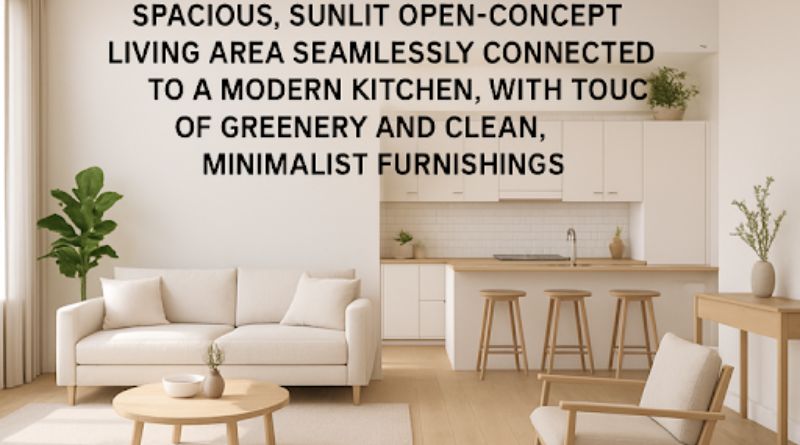
Open-concept living remains the gold standard for contemporary interiors. By removing barriers between the kitchen, dining, and living areas, these layouts create a seamless flow, maximizing both natural light and movement. The result is a welcoming, unified environment where friends and family can gather with ease. The trend has spurred demand for visually striking architectural features, such as large windows, movable dividers, and strategic lighting that highlight the open space.
Smart Home Integration
Advancements in technology are revolutionizing the way people interact with their homes. Today’s remodels often include smart thermostats, automated lighting, voice-controlled assistants, and security systems that can be managed from a smartphone or tablet. These features not only streamline daily routines but also increase energy efficiency and safety. As noted by Tom’s Guide, smart home devices are increasingly functional and compatible, making smart integration more accessible and valuable to homeowners.
Biophilic Design Elements
Biophilic design is gaining traction, emphasizing a strong connection to the natural world indoors. This trend incorporates sustainable materials, natural finishes, and plenty of greenery, such as indoor gardens, living walls, and generous use of wood and stone. Neutral color palettes and window placements that frame garden or landscape views further reinforce this indoor-outdoor harmony. Studies have shown that biophilic design elements contribute to reduced stress, increased productivity, and an overall sense of calm within the home.
Multifunctional Spaces
The pandemic has permanently affected home layout preferences, with many people seeking adaptable, multifunctional rooms. Spare bedrooms double as home offices, playrooms convert into guest quarters, and open nooks become home gyms. Practical solutions such as foldaway desks, modular furniture, and built-in storage enable spaces to transform according to daily needs. These flexible environments support both productivity and relaxation, helping each household member pursue their interests without interference.
Sustainable and Eco-Friendly Materials
Green renovation practices are now mainstream, offering both environmental and economic benefits. More homeowners are selecting materials like bamboo flooring, reclaimed timber, and recycled steel, which are renewable or have a lower ecological footprint. Energy-efficient appliances, high-performance windows, and enhanced insulation are also frequently incorporated. These upgrades align with a broader commitment to reducing energy consumption, lowering utility costs, and creating healthier homes for future generations.
Bold and Unique Kitchen Designs
Kitchens remain central to household life and are a prime focus for expressive design. Modern kitchen remodels celebrate individuality by featuring vibrant cabinetry, dramatic tile backsplashes, and mixed materials like quartz, brass, or concrete. Open shelving, statement lighting, and unconventional color combinations breathe life into this vital space, moving away from decades of bland minimalism and helping homeowners showcase their personality through design choices.
Purpose-Built Outdoor Living Spaces
Outdoor areas have become essential extensions of indoor living, designed for specific purposes such as cooking, dining, exercising, and entertaining. Today’s decks, patios, and covered porches are crafted with durability and comfort in mind, often equipped with weatherproof furniture, outdoor kitchens, and fire features. Integrating indoor and outdoor aesthetics ensures a cohesive look and a seamless transition, expanding the home’s usable footprint throughout the year.
Texture-Forward Interior Design
Modern interiors are seeing a return to tactile finishes and texture-rich details. Whether through rough-hewn wood beams, plastered feature walls, or layered fabrics, introducing texture adds warmth and dimension to rooms. Designers now frequently incorporate natural stone, woven baskets, wool rugs, and leather upholstery to create a grounded, inviting atmosphere. These elements not only break up visual monotony but also foster a sense of comfort and tranquility by echoing the organic forms of nature.
By incorporating these home remodeling trends, homeowners can create living environments that are not only stylish but also functional and environmentally conscious. Each trend enriches daily life, promising a healthier, more adaptable, and more enjoyable home for years to come.