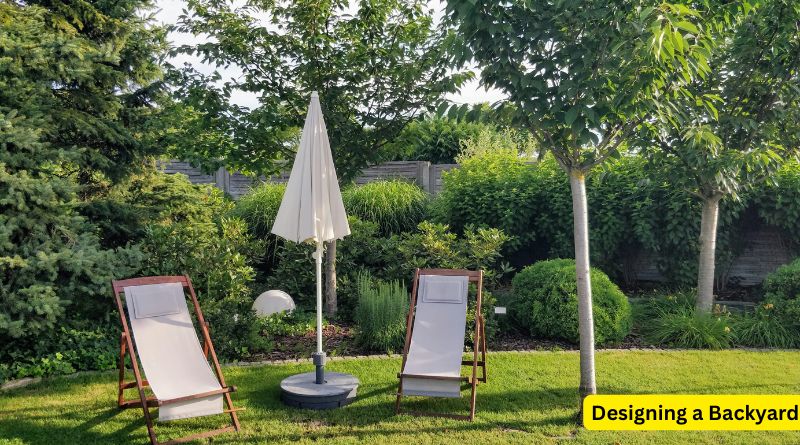
A well-designed backyard is more than an extension of your home. It is a space where function and aesthetics intersect, shaping how you relax, entertain, and connect with nature. From carefully chosen plantings to thoughtful layout decisions, every element contributes to how the space feels and how well it holds up over time. One aspect that is often overlooked in outdoor design is protection. Without it, even the most beautiful landscape can quickly lose its charm.
A protected backyard does not need to feel closed off or utilitarian. When planned correctly, boundaries can enhance the overall design, preserve your investment in landscaping, and support long-term usability. The key is finding a balance between openness and structure so the space feels intentional rather than restrictive.
The Relationship Between Design and Protection
Outdoor spaces are exposed to a range of elements that interior rooms never face. Weather, wildlife, foot traffic, and ongoing maintenance demands all influence how a backyard ages. Design decisions that ignore these factors often lead to frustration when plants fail to thrive or when surfaces deteriorate faster than expected.
Protection works quietly in the background of good design. It supports plant health, maintains visual order, and helps outdoor features stay functional. When boundaries are thoughtfully integrated, they reinforce the design rather than interrupt it. This approach allows homeowners to enjoy their outdoor spaces without constantly repairing or replacing damaged elements.
Why Garden Boundaries Matter More Than You Think
Garden boundaries do far more than mark where a property ends. They guide movement, define zones, and provide structure within the landscape. Without clear boundaries, outdoor spaces can feel unfinished or chaotic, even when the design elements themselves are attractive.
Well-placed boundaries also help protect gardens from unintended damage. This includes trampling from pets, erosion from runoff, and browsing from wildlife. Over time, these issues can undermine carefully planned landscaping. Establishing clear, attractive boundaries helps preserve both the look and function of the space.
Preserving Landscaping Investments
Landscaping is one of the most significant investments homeowners make outdoors. Trees, shrubs, flower beds, and hardscaping features all require time and resources to establish. Without proper protection, these investments are vulnerable to damage that can take years to correct.
By incorporating protective elements into the design from the start, homeowners reduce the risk of repeated replacements and repairs. This proactive approach supports plant maturity and allows the landscape to develop as intended. Over time, the result is a yard that looks more established, cohesive, and visually appealing.
Creating Open Spaces Without Feeling Exposed
One of the biggest concerns homeowners have about adding boundaries is the fear of closing in the space. An outdoor area should feel welcoming and open, not confined. Fortunately, modern design approaches make it possible to define spaces without sacrificing visual flow.
Strategic placement, material choice, and height considerations all play a role. Boundaries can be softened with plantings, aligned with existing sightlines, or designed to blend seamlessly into the surrounding landscape. When done correctly, they enhance privacy and protection while maintaining an airy, intentional feel.
Integrating Fencing Into Garden Design
Fencing is often viewed as a purely functional addition, but it can be an important design element when approached thoughtfully. Instead of treating it as an afterthought, designers increasingly incorporate fencing into the overall aesthetic of the yard.
Choosing the right style and placement ensures that fencing complements rather than competes with the landscape. Clean lines can support modern designs, while subtle, neutral materials blend easily into natural surroundings. In many cases, durable garden fencing becomes part of the visual framework that ties different outdoor areas together.
Protecting Plant Health and Growth
Healthy plants are the foundation of any successful garden. When plants are repeatedly stressed by external factors, their growth slows and their appearance suffers. Wildlife intrusion, in particular, can undo months or even years of careful planning in a short period of time.
Protective boundaries help create stable conditions where plants can thrive. By limiting access to vulnerable areas, gardeners give roots time to establish and foliage time to mature. This leads to stronger plants, fuller beds, and a more resilient landscape overall.
Supporting Functional Outdoor Living Areas
Backyards today serve multiple purposes. They are spaces for dining, recreation, gardening, and relaxation. Clear boundaries help organize these functions so the yard feels cohesive rather than cluttered.
Defined zones make it easier to move through the space and understand how each area is meant to be used. Protection ensures that high-traffic areas do not encroach on delicate plantings, while quieter zones remain undisturbed. This thoughtful organization enhances both usability and visual harmony.
Enhancing Curb Appeal and Property Value
Outdoor spaces contribute significantly to a home’s overall appeal. A well-maintained, thoughtfully designed backyard signals care and quality to visitors and potential buyers alike. Protection plays a subtle but important role in maintaining that impression.
When gardens remain intact and features stay in good condition, the entire property benefits. Boundaries that blend into the design help maintain clean lines and visual order, which can positively influence how the home is perceived. Over time, this attention to detail supports long-term property value.
Designing for Long-Term Maintenance
A beautiful backyard should be enjoyable, not burdensome. Designs that require constant intervention can quickly become overwhelming. Protection helps reduce ongoing maintenance by preventing common sources of damage.
By limiting erosion, plant loss, and wear, homeowners spend less time fixing problems and more time enjoying their space. This practical advantage makes protection a valuable design consideration, especially for those seeking low-maintenance outdoor living.
Choosing Materials That Complement the Landscape
Material selection plays a critical role in how protective elements integrate into a garden. Neutral tones and simple textures tend to work well across a range of styles, allowing the landscape to remain the focal point.
Durability is equally important. Materials should withstand weather exposure and seasonal changes without compromising appearance. When protective features are built to last, they continue to support the design without requiring frequent replacement.
Balancing Privacy and Visual Flow
Privacy is often a priority in backyard design, but it should not come at the expense of openness. The most successful outdoor spaces strike a balance between seclusion and connection to the surrounding environment.
Layered design approaches work particularly well. Combining boundaries with plantings, elevation changes, and sightline management creates privacy without blocking light or views. This layered strategy results in a space that feels secure yet expansive.
Planning With Nature in Mind
A well-designed backyard works with nature rather than against it. Understanding local wildlife patterns, climate conditions, and soil characteristics helps inform smarter design choices.
Protective measures that respect these natural factors tend to be more effective and visually cohesive. When boundaries align with the natural flow of the landscape, they feel like a natural extension of the environment rather than an imposed barrier.
Making Protection Part of the Design Story
The most successful outdoor designs tell a cohesive story. Every element, from plant selection to hardscape placement, contributes to a unified vision. Protection should be part of that narrative, not a separate consideration.
When boundaries are designed alongside other features, they reinforce the overall theme of the space. Whether the goal is a peaceful retreat or a vibrant gathering area, thoughtful protection supports that vision and ensures it endures.
A Backyard That Lasts
Designing a backyard that is both beautiful and protected requires intention and foresight. By considering how boundaries support aesthetics, plant health, and functionality, homeowners create spaces that age gracefully and remain enjoyable year after year.
Rather than viewing protection as a limitation, it can be embraced as a design tool. With careful planning and thoughtful integration, it becomes an invisible framework that allows outdoor spaces to flourish. The result is a backyard that feels open, cohesive, and resilient, offering lasting value and everyday enjoyment.