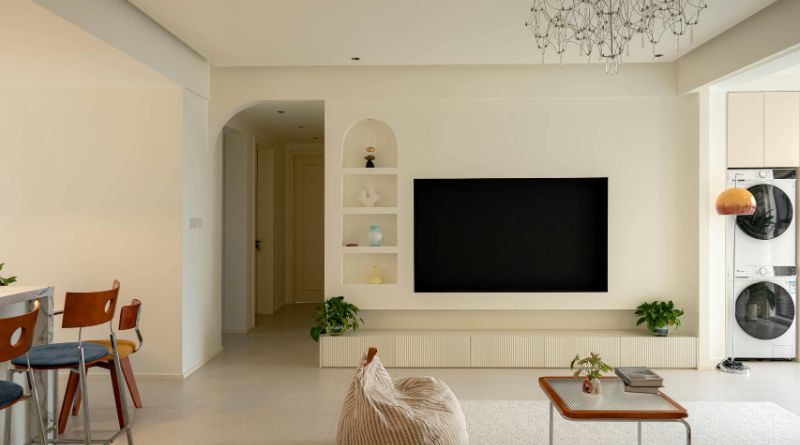
Minimalist design has become a defining trend in modern homes. Clean lines, open spaces, and carefully selected décor pieces create rooms that feel calm and intentional. But minimalism doesn’t always mean owning as little as possible. For many people, it’s more about curating what’s visible while thoughtfully managing what isn’t.
The challenge comes when you’re not ready to part with certain belongings. Sentimental items, seasonal décor, hobby supplies, or inherited furniture may not fit your everyday aesthetic, but they still hold value. The key is finding practical ways to store those items without sacrificing the clean, organized look you’re working toward.
Minimalism Is About Space, Not Sacrifice
There’s a common misconception that minimalism requires extreme downsizing. In reality, it’s about removing excess from your daily environment. You don’t have to discard everything that doesn’t serve an immediate function.
Instead, think of your home as a living space, not a warehouse. If something adds clutter or visual noise but still matters to you, it doesn’t need to be displayed all the time. Rotating items in and out of storage can help you maintain clarity without regret.
This approach works especially well for:
- Family heirlooms
- Seasonal décor
- Hobby equipment
- Extra furniture
- Collections
- Children’s keepsakes
Rather than forcing hard decisions, you can create breathing room while keeping meaningful items safe.
Start With a Thoughtful Decluttering Process
Before deciding what to store, take time to evaluate what truly belongs in your daily environment.
Walk through each room and ask:
- Does this item serve a purpose right now?
- Does it contribute to the aesthetic I want?
- Would I notice if it weren’t here?
If the answer is “not really,” it may be a candidate for storage rather than immediate donation or disposal.
Minimalism works best when it’s intentional. Removing items impulsively can lead to regret, especially when it comes to sentimental pieces. A temporary storage plan gives you space to decide without pressure.
Designate Clear Categories
Minimalism becomes much easier when your belongings are grouped with intention. Without defined categories, items tend to drift between rooms, pile up on flat surfaces, or settle into “temporary” storage spots that eventually become permanent clutter.
Creating clear categories gives every item a purpose and a place — even if that place isn’t inside your main living space.
Start by separating your belongings into functional groups:
Everyday Essentials
These are the items you use weekly or daily — kitchen tools, core wardrobe pieces, work materials, and frequently used décor. They deserve accessible, well-organized storage within your primary living areas. If something is difficult to reach but used often, your system likely needs adjusting.
Rotational Décor
Seasonal items are one of the biggest sources of visual clutter. Throw pillows, holiday decorations, wreaths, candles, and table settings can accumulate quickly. Instead of keeping everything out year-round, store off-season pieces together in clearly labeled containers. This makes seasonal swaps quick and prevents décor from overcrowding shelves and surfaces.
Sentimental Keepsakes
Photos, memory boxes, inherited items, and children’s artwork don’t need to be displayed all at once to remain meaningful. Consider consolidating keepsakes into archival boxes or dedicated bins. When sentimental items are thoughtfully contained rather than scattered, they feel preserved rather than overwhelming.
Hobby and Project Supplies
Craft materials, sports equipment, gardening tools, and DIY supplies often expand beyond their original footprint. Store these by project type so they’re easy to access when needed but not constantly visible. If a hobby is occasional rather than weekly, it may not need prime real estate inside your home.
Long-Term or Transitional Items
Some belongings fall into a waiting period — baby furniture being saved for the future, extra chairs for large gatherings, or décor you’re unsure about keeping. Assign these items a clear storage plan rather than letting them linger in corners or closets.
When everything fits into a defined category, decision-making becomes simpler. Instead of asking, “Where should this go?” you’re asking, “Which category does this belong to?” That small shift reduces clutter over time and helps maintain the open, intentional feel that minimalist spaces depend on.
Smart Storage at Home
If you prefer to keep everything on-site, there are ways to integrate storage seamlessly into a minimalist design.
Consider:
- Under-bed containers for off-season clothing
- Built-in cabinets that conceal visual clutter
- Neutral storage bins that blend with décor
- Floating shelves for curated displays
However, even well-designed homes have limits. Closets and garages can quickly become overcrowded, turning into hidden clutter zones that defeat the purpose of minimalist living.
When storage starts to take over functional spaces, it may be time to consider an external solution.
When Off-Site Storage Makes Sense
Minimalism thrives on open, usable space. If your guest room is stacked with boxes or your garage is too full to park in, your home isn’t working efficiently.
Short-term or long-term storage can be a practical way to protect items you’re not ready to part with while keeping your home streamlined. Many homeowners explore nearby self-storage options during a renovation, seasonal transition, or decluttering phase to keep belongings secure without crowding their living areas.
Using off-site storage doesn’t mean you’re accumulating more—it simply means you’re creating room to live more comfortably.
Rotate Instead of Accumulate
One effective minimalist strategy is seasonal rotation. Instead of displaying all decorative items at once, swap them out throughout the year.
In spring and summer, lighter textiles and bright accents can take center stage. In fall and winter, warmer tones and layered textures create a cozy atmosphere. By rotating décor, you maintain visual freshness without overcrowding shelves or surfaces.
The same principle applies to wardrobes, outdoor furniture, and hobby supplies. Keeping only what’s relevant to the current season inside your home preserves clarity and balance.
Protect What Matters
Storing items properly is just as important as deciding to store them.
Take a few simple steps:
- Clean items before packing them away
- Use durable, labeled containers
- Wrap fragile pieces carefully
- Avoid stacking heavy objects on delicate décor
If you’re storing heirloom furniture or artwork, consider climate considerations as well, especially in warmer regions where heat can damage materials over time.
Being intentional about protection ensures that when you reintroduce items into your space, they remain in good condition.
Let Your Space Breathe
A minimalist home should feel open, calm, and functional. That feeling often comes from negative space—empty surfaces, clear walkways, and uncluttered rooms.
If you find yourself constantly rearranging items to “make them fit,” it’s a sign that your space needs relief. Removing excess from sight allows architectural features, lighting, and carefully chosen décor to stand out.
Minimalism isn’t about emptiness. It’s about clarity. When your home isn’t overwhelmed by belongings, it becomes easier to appreciate what you truly love.
Revisit and Reevaluate
Storing items isn’t a permanent decision. Every few months, revisit what you’ve packed away. You may find that some belongings no longer feel necessary, making it easier to donate or pass them along.
Minimalist living is an evolving process. Your needs, tastes, and lifestyle will shift over time. By using storage thoughtfully, you create flexibility without sacrificing meaningful possessions.
Finding Balance Between Style and Sentiment
At its core, minimalism is about intentional choices. It allows you to design a home that feels peaceful without forcing you to erase your history or interests.
By separating everyday living from long-term storage, you gain the freedom to enjoy both. Your home remains clean and curated, while your valued belongings stay protected for when you’re ready to use them again.
The result is a space that supports your lifestyle—one that feels open, calm, and entirely your own.