Setting up a pickleball court is an exciting project that can transform backyards, driveways, or community spaces into lively hubs for fun and exercise. Whether you’re planning a temporary space or a permanent installation, understanding every step makes all the difference. The following comprehensive guide breaks down everything, from essential court dimensions to must-have equipment. If you’re also budgeting for your project, understanding the cost of building a pickleball court is a practical first step.
With pickleball’s surge in popularity, having a regulation court can increase accessibility and enjoyment for players of all skill levels. Thoughtful preparation ensures the court is not only up to standard but also has safe and welcoming qualities that are especially important when turning any flat surface into your pickleball haven.
Understanding Pickleball Court Dimensions
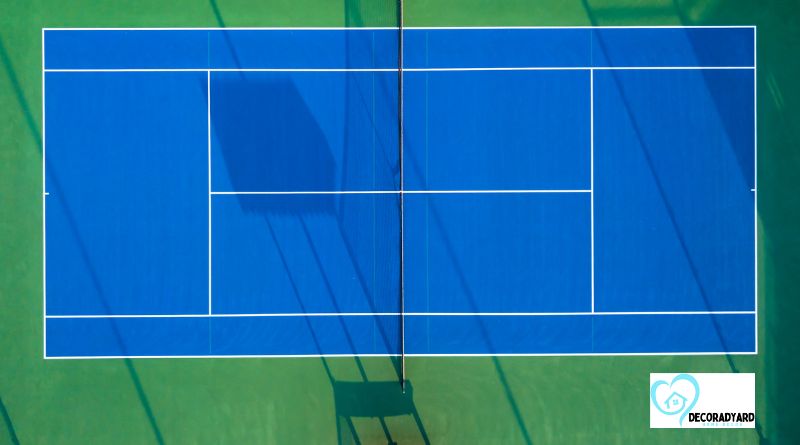
Pickleball courts have a straightforward layout, but accuracy is essential because the game’s pace and style rely on precise boundaries. Regulation courts are 20 feet wide by 44 feet long. These proportions mirror those of a doubles badminton court, facilitating quick-paced rallies and dynamic team play.
- Baseline: The back boundary lines, defining the depth of the court.
- Sidelines: The perimeter lines running the length of the court.
- Non-Volley Zone (“Kitchen”): Marked 7 feet from the net on both sides. Players may not volley while within this area.
- Service Courts: Divided into left and right halves by a centerline, these zones stretch from the kitchen to the baseline on each side of the net.
Getting these measurements right is vital not only for compliant play but also to prevent disputes and injuries. For a deeper dive into dimensions and setup, see this comprehensive guide on pickleball court dimensions.
Choosing the Right Location
The setting you choose affects everything from ease of installation to long-term maintenance needs. Look for a smooth, level surface free from debris, cracks, or obstructions. Typical installations make use of driveways, multi-use gym floors, or even tennis courts with adaptive markings. Consider the space around the boundaries so players can move and play safely without risking stepping into hazards or obstacles.
If you’re planning a permanent or semi-permanent court, consider prevailing wind direction and sun exposure. These environmental factors can affect gameplay quality and court longevity.
Marking the Court
With your workspace selected, the next step is proper marking. Here’s a reliable, step-by-step approach:
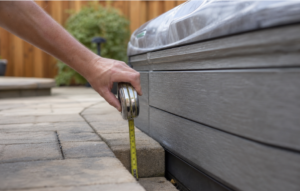
- Measure and Outline: Use a measuring tape to stake out the 20×44 ft rectangle. Make right angles at the corners with the 3-4-5 triangle method or a carpenter’s square to maintain precision.
- Draw the Non-Volley Zone: From the net, measure 7 feet on each side and mark parallel lines for the kitchen. These boundaries are critical for authentic play.
- Divide the Service Courts: Find and mark the centerline so each side has two equal service boxes. This is where serves must land, and players rotate positions.
For courts that need to be removed or changed frequently (community centers, schools, multipurpose gyms), use chalk or painter’s tape. For outdoor or long-lasting courts, opt for weatherproof paint or specialized tape created for sports courts.
Setting Up the Net
The pickleball net is a defining element. It should be 22 feet wide, extending slightly past the sidelines to allow for proper tensioning. The top of the net is set at 36 inches high at each post and dips to 34 inches at the center, where rallies often take place. Ensure your net is stretched tight—sagging nets can interfere with game play and player movement.
Equipment Considerations
Players will enjoy the court more with the right gear. Fundamental equipment includes:
- Paddles: These come in a variety of sizes and materials, with composite and graphite being popular choices for balance and durability.
- Balls: Pickleball balls are unique, featuring specific hole patterns. Make sure you pick balls designed for your preferred setting—indoor and outdoor balls differ in plastic composition and hole spacing.
- Footwear: Sturdy court shoes designed for lateral movement will help reduce injuries and keep players comfortable through long games.
Maintaining Your Court
Ongoing maintenance preserves the investment and ensures every match is played on a safe surface. Regularly sweep away dirt or leaves, inspect lines and boundaries for fading or damage, and check the net’s condition and stability. For outdoor courts, periodic resealing and the use of UV-resistant paint or tape can add years to your setup.
Local regulations or homeowner associations may have guidance or requirements for sport court installations, so always check before building permanent structures.
Conclusion
Creating a pickleball oasis is an achievable project with significant rewards, bringing community, fitness, and fun to your doorstep. By following standard dimensions, proper marking, and strategic maintenance, you’ll foster a safe, professional, and enjoyable playing environment for everyone from curious beginners to seasoned competitors.