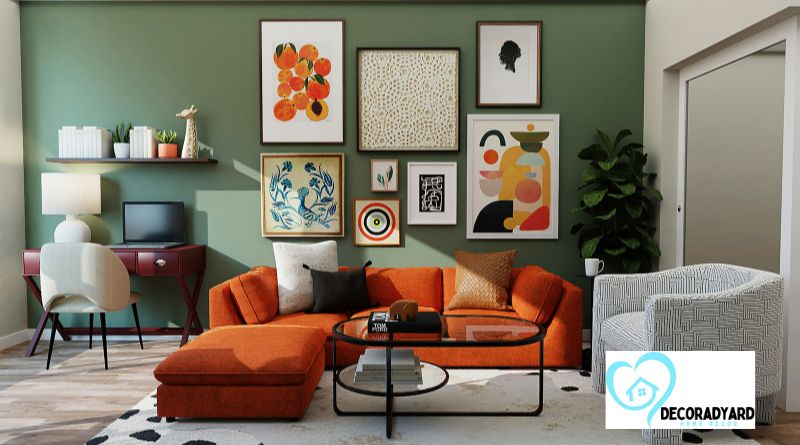
Creating your dream home is one of life’s most fulfilling journeys. For new homeowners, the excitement of moving into a new space is often accompanied by the challenge of decorating it beautifully without overspending. Achieving a stunning and comfortable home does not require extravagant spending or high-end materials. With thoughtful planning, creativity, and practical choices, you can design a space that reflects your personality while staying within your financial limits.
A well-designed home should not only look appealing but also function efficiently. Every color, piece of furniture, and decorative accent should contribute to the harmony of the space. The goal is to make every corner of your home feel intentional and welcoming while making mindful financial decisions that keep your budget intact.
Creating a Financial Foundation for Your Home Design
Before you begin choosing fabrics, colors, or furniture, it’s important to establish a solid financial foundation for your design plans. New homeowners often balance multiple responsibilities at once, from settling into their new space to managing long-term commitments. Understanding how mortgage rates impact your monthly expenses can help you determine a realistic amount to dedicate toward decorating.
When you have a clear grasp of your overall finances, it becomes easier to plan wisely. Set a budget that prioritizes comfort and durability while leaving room for personal expression. A well-structured plan helps ensure you spend thoughtfully, combining affordability with creativity. With clear limits and purposeful decisions, you can design a home that feels elegant, organized, and entirely your own—without stretching your finances.
Prioritizing Key Spaces
Not every part of your home needs to be decorated at once. Focus first on the areas you use most frequently, such as the living room, bedroom, or kitchen. These spaces form the foundation of your daily life and contribute most to your comfort and functionality.
Start with the basics—choose versatile furniture pieces that serve multiple purposes, such as storage beds or extendable tables. This not only saves money but also helps optimize your space. Once the main furniture pieces are in place, you can gradually add decorative elements like rugs, curtains, and wall art to give the room a personal touch.
Smart Color and Lighting Choices
Color plays a crucial role in shaping the mood and appearance of your home. Light and neutral tones make rooms appear larger and more open, while darker shades add depth and warmth. For homeowners working on a budget, painting is one of the most affordable and effective ways to transform a space. A fresh coat of paint can instantly breathe new life into old walls and create a cohesive feel throughout your home.
Lighting is equally important. Combining natural light with well-placed artificial lighting can elevate your décor. Layered lighting—using ambient, task, and accent lights—creates balance and flexibility. Affordable options such as floor lamps or string lights can enhance coziness and add personality to your rooms without major expense.
Affordable Materials and Textures
Incorporating different textures and materials gives your home richness and visual interest. Even with a limited budget, you can mix materials creatively to achieve a high-end look. For instance, pairing soft fabrics like cotton or linen with natural wood or stone elements can make your interiors feel warm and inviting.
If genuine materials are too costly, many alternatives offer a similar aesthetic. For example, faux wood finishes, imitation marble surfaces, or woven-look textiles can provide an elegant touch without the high price tag. Focus on blending textures harmoniously to ensure your space feels balanced rather than cluttered.
The Power of DIY and Upcycling
One of the most rewarding ways to save money while decorating is through do-it-yourself projects. Simple crafts, refurbished furniture, or repurposed items can add charm and uniqueness to your home. A coat of paint or new hardware on old furniture can completely transform its appearance.
Upcycling also reduces waste and allows you to express creativity. Consider using reclaimed wood for shelving, turning vintage fabrics into cushion covers, or repurposing glass jars into decorative holders. These small efforts not only stretch your budget but also make your home feel more personal and meaningful.
Choosing Timeless Over Trendy
Trends come and go, but timeless designs stand the test of time. When making décor decisions, aim for classic pieces that remain stylish and versatile across different seasons. Neutral tones, simple lines, and quality materials tend to stay relevant and can easily be refreshed with small seasonal updates.
Avoid heavily themed décor or overly bold patterns that might quickly feel outdated. Instead, let your personality show through smaller accents like throw pillows, artwork, or decorative accessories.
Space Optimization and Minimalism
Designing on a budget benefits greatly from a minimalist approach. Fewer items mean more breathing room and less clutter, allowing each element to shine. Prioritize functionality by selecting furniture that maximizes storage or can serve multiple roles.
Floating shelves, foldable tables, and compact seating arrangements can make smaller spaces look more open while maintaining utility. When every piece serves a purpose, your home feels intentional and thoughtfully designed.
Sustainable and Eco-Friendly Choices
Sustainability is becoming an essential consideration for modern homeowners. Making eco-friendly décor choices not only benefits the environment but often results in long-term savings. Choose durable materials that last longer, reducing the need for frequent replacements.
Opting for natural fabrics, energy-efficient lighting, and reusable items contributes to a more responsible lifestyle. Plants can also play a vital role in your home’s design, bringing life, color, and cleaner air to your interiors.
Bringing It All Together
Designing your dream home on a budget requires patience, creativity, and thoughtful choices. The key lies in balancing beauty with practicality—knowing where to save and where to invest. Focus on quality over quantity, and remember that a home’s charm comes from the personal touches that reflect who you are.
A well-decorated home does not rely on expensive furniture or extravagant accessories. It is built through meaningful details, careful planning, and the joy of creating a space that feels truly yours.