Understanding Mammoth Architecture: A Glimpse into Prehistoric Ingenuity
When we hear the term mammoth architecture, it often conjures images of colossal structures inspired by the grandeur of the Ice Age. However, this concept is not limited to ancient times or extinct species. Mammoth architecture refers to both prehistoric constructions made using mammoth bones and tusks, as well as the modern architectural inspirations drawn from those ancient marvels. This field bridges anthropology, archaeology, and design, offering insights into how early humans used creativity, survival instincts, and natural resources to shape their living spaces.
During the Upper Paleolithic era, when mammoths roamed the frozen tundras of Europe and Siberia, early humans constructed shelters using mammoth bones and hides. These early examples of mammoth architecture stand as powerful symbols of adaptability and innovation. In an environment with limited wood and building materials, these prehistoric builders turned to the most available and durable resource—the remains of mammoths.
The Origins and Discovery of Mammoth Bone Dwellings
Archaeological evidence of mammoth architecture has been unearthed across Eastern Europe, particularly in regions like Ukraine, Russia, and the Czech Republic. Some of the most well-known sites include Mezhyrich, Kostenki, and Dolní Věstonice. These ancient dwellings, dating back around 15,000 to 25,000 years, were crafted using massive mammoth bones arranged in circular or oval formations. Skulls, tusks, and femurs served as structural supports, while animal hides provided insulation.
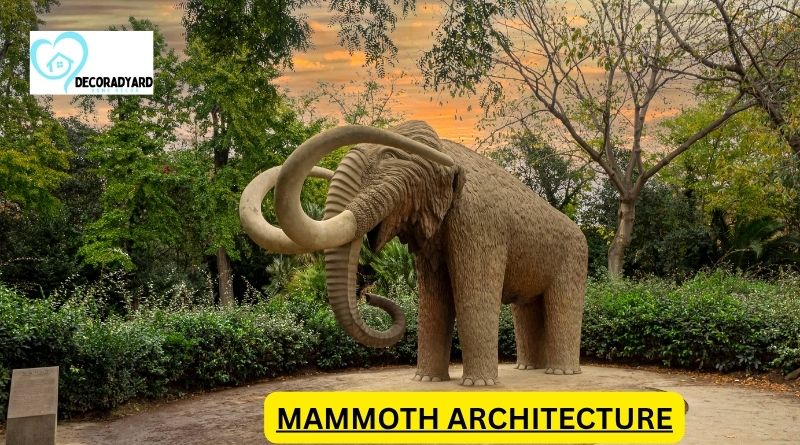
Each discovery of a mammoth bone structure reveals the resourcefulness of early humans. They not only utilized these materials for shelter but also for cultural expression—decorating their homes with carvings, pigments, and symbolic artifacts. This suggests that mammoth architecture was not just a matter of survival but also a form of artistic and communal identity.
Mammoth Architecture in Modern Design Concepts
In today’s world, mammoth architecture has taken on a metaphorical meaning. Architects and designers use the term to describe grand-scale, monumental, or biomimetic structures inspired by natural forms and prehistoric ingenuity. Modern mammoth architecture emphasizes sustainability, resilience, and the use of locally sourced materials—principles that echo the survivalist spirit of our ancestors.
For instance, architects have studied the bone-based structures of mammoth dwellings to develop innovative frameworks for eco-friendly housing. The natural curvature and strength of bones have influenced modern designs in steel, concrete, and timber construction. Furthermore, 3D printing technology has enabled the recreation of mammoth-like structures that combine ancient ideas with futuristic materials, offering both aesthetic appeal and functional strength.
Symbolism and Cultural Significance of Mammoth Architecture
Beyond its structural aspects, mammoth architecture carries deep symbolic meaning. The mammoth, as a creature of immense power and endurance, represents humanity’s struggle and harmony with nature. Ancient builders saw the mammoth not only as a source of sustenance but also as a spiritual guide and protector. Their homes built from mammoth bones were places of refuge, ritual, and remembrance.
In modern interpretations, this symbolism continues. Architects and historians alike see mammoth architecture as a reminder of humanity’s capacity for adaptation and creativity. By revisiting these ancient designs, we gain valuable lessons about resilience in the face of environmental challenges—a lesson that feels increasingly relevant in our changing climate.
Conclusion: Reviving the Legacy of Mammoth Architecture
In essence, mammoth architecture stands as a timeless testament to human ingenuity. From the frozen plains of prehistoric Europe to the sleek, sustainable designs of today, this concept continues to inspire innovation and respect for the natural world. The study of mammoth bone dwellings offers more than just archaeological curiosity—it provides a blueprint for harmonizing technology, nature, and heritage.
As we move toward a future focused on ecological balance and sustainable living, revisiting the principles of mammoth architecture could help shape a world where strength and simplicity coexist. These ancient shelters remind us that even in the harshest conditions, humanity has always found ways to create beauty, safety, and meaning through architecture.