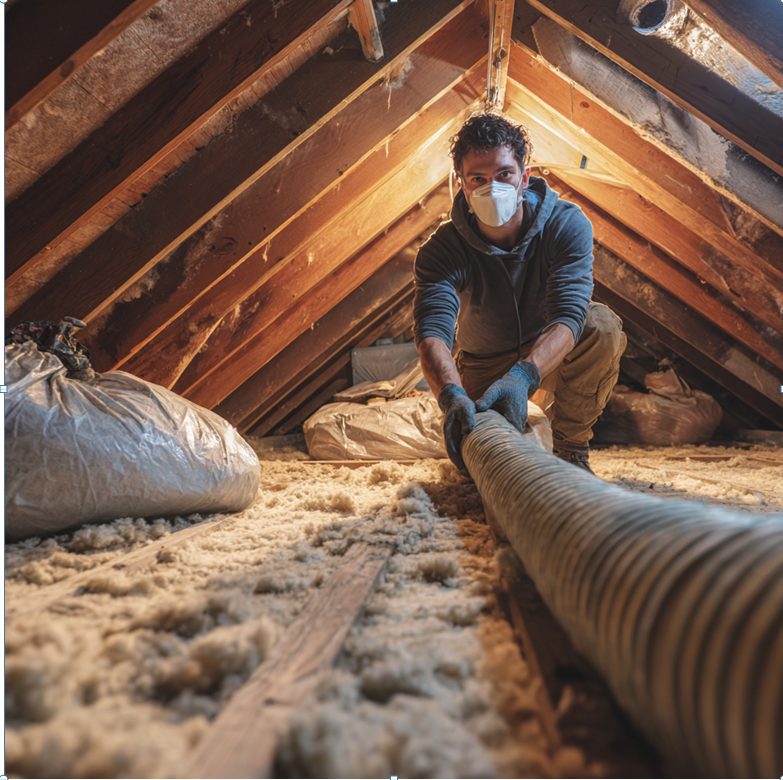
Insulation vacuum bags are specialized, heavy-duty bags designed to collect and contain insulation materials during removal or cleanup processes. These bags are typically made from durable, puncture-resistant plastic that can withstand sharp debris such as fiberglass, cellulose, or mineral wool. They are often used alongside vacuum systems to safely extract insulation from attics, walls, and crawl spaces without spreading dust and contaminants throughout the property.
In professional settings, insulation vacuum bags play a critical role in maintaining a clean and controlled work environment. They are specifically engineered to handle large volumes of insulation waste while minimizing airborne particles, which can be harmful when inhaled. By securely sealing materials, these bags help ensure safe disposal and compliance with environmental and safety regulations.
How Insulation Vacuum Bags Work
Designed for Efficiency and Safety
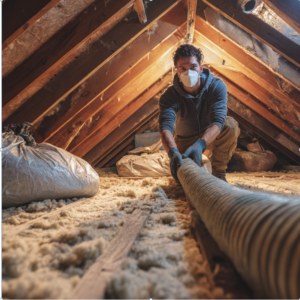
Insulation vacuum bags are used in conjunction with high-powered vacuum machines that remove old or damaged insulation quickly. As the vacuum pulls insulation out of a space, the debris is directed into the bag, which acts as a containment unit. This process reduces manual handling and significantly accelerates insulation removal projects.
Durable Construction
These bags are built with multiple layers of thick plastic to prevent tearing or leaking. Their robust design allows them to hold heavy loads without breaking, even when filled with dense materials. Some versions also include secure tie-off systems or seals to ensure that once the bag is full, it can be safely transported without spillage.
Why Professionals Use Insulation Vacuum Bags
Improved Job Site Cleanliness
One of the main reasons professionals rely on insulation vacuum bags is to maintain cleanliness. Insulation materials can create a significant mess if not handled properly, releasing dust and fibers into the air. Vacuum bags contain these particles, reducing cleanup time and protecting indoor air quality.
Enhanced Worker Safety
Handling insulation can expose workers to irritants and potentially hazardous materials. Vacuum bags help limit direct contact with these substances, reducing health risks. By capturing debris efficiently, they also prevent airborne particles that could lead to respiratory issues.
Time-Saving and Cost-Effective
Using insulation vacuum bags allows professionals to complete projects faster. The vacuum system eliminates the need for manual scooping or bagging, making the entire process more efficient. This not only saves time but also reduces labor costs, making it a practical solution for contractors.
Applications in Different Projects
Residential Insulation Removal
In homes, insulation vacuum bags are commonly used during renovations or when replacing old insulation. They help ensure that outdated or contaminated materials are removed safely and efficiently.
Commercial and Industrial Use
Larger-scale projects, such as commercial buildings or industrial facilities, also benefit from these bags. Their high capacity and durability make them ideal for handling significant volumes of insulation waste.
Disaster Cleanup
After events like fires or floods, insulation often needs to be removed due to contamination. Vacuum bags provide a hygienic and effective way to manage this process without spreading harmful substances.
Conclusion
Insulation vacuum bags are an essential tool for professionals in the insulation and construction industries. Their ability to contain debris, improve safety, and streamline operations makes them invaluable on any job site. Whether for residential, commercial, or emergency cleanup projects, these bags provide a reliable and efficient solution for managing insulation waste.