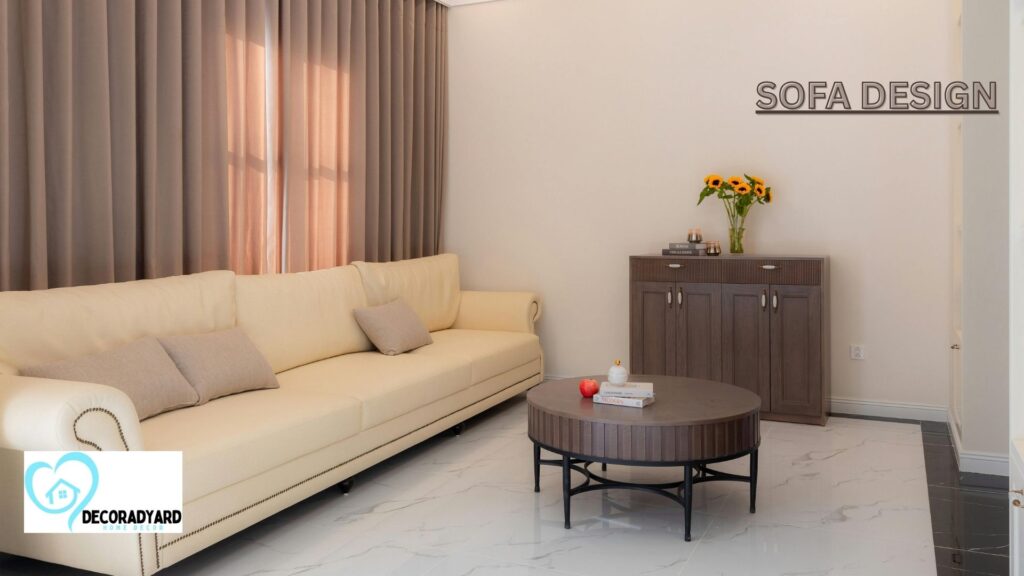
Sofa design plays a central role in shaping the personality and comfort of any living space. More than just a seating arrangement, a sofa reflects lifestyle preferences, interior aesthetics, and functional needs. Whether placed in a compact apartment or a spacious home, the right sofa can transform the entire ambiance of a room. With evolving trends and innovations, understanding sofa design helps homeowners make informed decisions that balance beauty, durability, and comfort.
Understanding the Importance of Sofa Design in Interior Spaces
Sofa design is often the focal point of a living room, drawing attention and setting the tone for the rest of the décor. A well-designed sofa not only complements other furniture but also enhances the flow and usability of the space. From classic silhouettes to contemporary modular styles, sofas are available in designs that cater to various tastes and spatial requirements. The structure, fabric, color, and size of a sofa all contribute to how welcoming and functional a room feels. Choosing wisely ensures long-term satisfaction and visual harmony.
Types of Sofa Design Based on Style and Function
Classic and Traditional Sofa Designs
Traditional sofa designs are known for their timeless appeal, detailed craftsmanship, and rich upholstery. These sofas often feature rolled arms, wooden frames, and elegant patterns that suit formal living rooms. They are ideal for homeowners who appreciate a refined and luxurious aesthetic that never goes out of style.
Modern and Contemporary Sofa Designs
Modern sofa design focuses on clean lines, minimalism, and practicality. Neutral tones, sleek frames, and low-profile seating define these sofas. Many contemporary designs prioritize space efficiency, making them perfect for urban homes. Modular sofas, in particular, offer flexibility by allowing users to rearrange sections according to their needs.
Functional and Space-Saving Sofa Designs
For smaller homes, functional sofa designs such as sofa beds, recliners, and storage sofas are highly practical. These designs maximize utility without compromising on comfort or appearance. A thoughtfully chosen sofa design can serve multiple purposes, especially in compact living environments.
Materials and Fabrics That Define Sofa Design
The materials used in sofa design significantly impact durability, comfort, and maintenance. Fabric sofas offer versatility with a wide range of textures and colors, making them suitable for casual and family-friendly spaces. Leather sofas, on the other hand, provide a premium look and are easier to clean, making them ideal for modern interiors. Frame materials such as solid wood or metal add strength and longevity, ensuring the sofa remains supportive over time.
Choosing the Right Sofa Design for Your Home
Selecting the right sofa design involves considering room size, lifestyle, and existing décor. Measuring the available space is crucial to avoid overcrowding or imbalance. Color selection should align with wall tones and lighting, while cushion firmness should match comfort preferences. A well-chosen sofa design enhances daily living by offering both relaxation and visual appeal.
Future Trends in Sofa Design
The future of sofa design is leaning toward sustainability, smart features, and customization. Eco-friendly materials, ergonomic designs, and technology-integrated sofas are gaining popularity. Homeowners now seek sofas that adapt to changing needs while maintaining style. Investing in sofa design that aligns with these trends ensures relevance and long-term value.
Conclusion
In conclusion, sofa design is much more than a furniture choice; it is a reflection of comfort, style, and functionality. By understanding different styles, materials, and trends, homeowners can select a sofa that perfectly fits their space and lifestyle. A thoughtfully designed sofa not only elevates interior décor but also enhances everyday living, making it a worthwhile investment for any home.