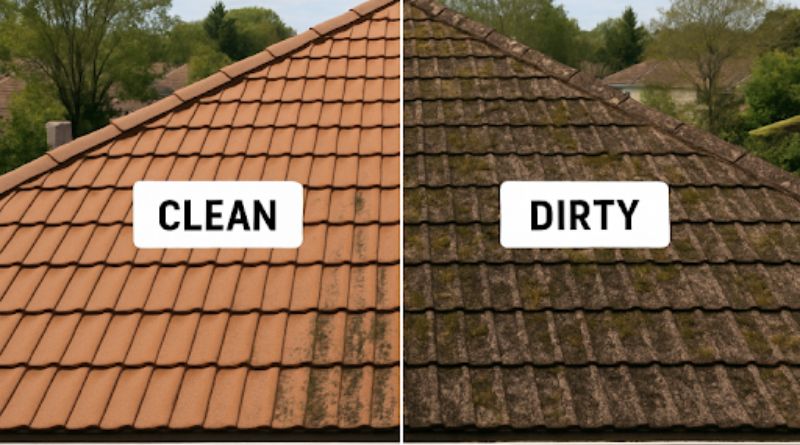
Keeping your roof clean is one of the most important home maintenance tasks you can undertake. Beyond keeping your home looking its best, a clean roof extends the lifespan of your roofing materials and helps protect your investment over time. Contaminants such as moss, algae, and dirt can accumulate on the surface, leading to more than just cosmetic issues. As these organisms take hold and moisture penetrates the shingles, your roof may suffer lasting damage if not addressed. For more details on professional solutions that can safeguard your home, learn more.
Unchecked roof debris and stains not only hurt curb appeal but also lower property value. Algae streaks, moss patches, and built-up grime all contribute to a roof that looks neglected and ages much faster than expected. Regular cleaning is a crucial step in preserving both beauty and structural integrity. Homes with consistently clean roofs often achieve higher resale values and greater returns on investment than those with neglected roofs.
Aside from increasing your home’s appearance and value, roof cleaning also helps prevent more extensive repairs down the road. Debris buildup can clog gutters, cause leaks, and accelerate shingle wear. Mold growth, which thrives on damp surfaces, can pose health risks to susceptible individuals, making proactive roof maintenance essential to your overall well-being and comfort.
Taking these factors into consideration, homeowners need to establish a regular roof cleaning routine tailored to their regional climate and the materials used on their roofs. Addressing these issues early can help ensure the roof remains in top condition for years to come.
Why Regular Roof Cleaning Is Essential
Roofs are susceptible to the buildup of organic materials such as moss, algae, and lichen. These organisms feed on roofing components, especially the limestone found in asphalt shingles. As they grow and spread, they not only stain the roof but also accelerate the degradation of the shingles. Moss, in particular, retains moisture against the shingles, which can create soft spots or cause rot.
Algae, such as the common type Gloeocapsa Magma, consume the limestone in shingles, leading to weakening and eventual failure of the material. If these issues remain untreated, the roof may develop leaks, leading to water damage within the home. Keeping your roof free of such growths preserves its function and appearance, helping homeowners avoid expensive repairs or premature roof replacement. The National Association of Home Builders advises regular cleaning to maintain structural soundness.
Methods of Roof Cleaning
Effective roof cleaning utilizes a range of techniques and products tailored to protect both the roof and the environment. Understanding the available methods is key when deciding whether to undertake the task yourself or hire a professional. Here are the most common approaches:
- Soft Washing: This gentle cleaning technique employs low-pressure water and biodegradable detergents to remove contaminants without harming shingles. Because it addresses the root causes of stains and organic growth, soft washing is among the most recommended methods for protective roof cleaning. It also minimizes the risk of stripping granules or damaging the underlying material.
- Pressure Washing: Using high-pressure water jets can quickly remove surface grime, but it also risks causing irreparable damage to shingles and flashings. High-pressure sprays can dislodge protective granules from asphalt shingles, leading to premature roof aging. For these reasons, pressure washing is typically discouraged for most residential roofs.
- Chemical Treatments: Environmentally responsible products can destroy algae and moss while preventing regrowth. These treatments should be applied with caution and with a preference for eco-friendly solutions to avoid runoff that could harm landscaping or waterways. Whenever chemical treatments are applied, protecting the ground below is essential.
Benefits of Professional Roof Cleaning
While do-it-yourself cleaning is feasible for some homeowners, hiring a professional roof cleaning service offers clear advantages. First, professionals possess expertise in selecting the right cleaning methods for different roof types and conditions. Knowing whether your roof can tolerate specific detergents or pressures is critical, and professionals have the specialized knowledge to determine it.
Safety is another significant benefit. Roof cleaning involves considerable risk, and experts are trained to work on steep or slippery surfaces with proper harnesses, ladders, and protective gear. Attempting to clean a roof without suitable equipment may result in injury or damage. Furthermore, reputable contractors are insured and licensed, offering peace of mind and financial protection against accidental damage.
Efficiency is another reason to consider professional cleaning services. With access to advanced equipment and proven techniques, a professional crew can complete the job more quickly and thoroughly than most DIY attempts. This allows homeowners to spend their time elsewhere while ensuring optimal outcomes.
DIY Roof Cleaning Tips
For homeowners who choose to clean their roofs themselves, careful planning and safety are paramount. Always work with a sturdy, secured ladder and wear slip-resistant footwear. Using a safety harness is highly recommended to help prevent falls.
Select cleaning solutions specifically designed for roofs, particularly those labeled biodegradable, to reduce environmental harm. Avoid standard household bleaches or detergents, as these can damage shingles and pose risks to plants and pets. Instead, use a garden hose with a spray attachment to apply cleaners and rinse the surface. Avoid pressure washers entirely unless you have a metal or concrete tile roof that can withstand direct pressure.
Before beginning, thoroughly water down all nearby landscaping, and once done, rinse any cleaner runoff away from plants. Where possible, shield sensitive flowers or gardens with plastic sheeting to block exposure. These steps protect both your roof and your valuable landscape investments.
How Often Should You Clean Your Roof?
The ideal cleaning frequency depends on your local weather, tree coverage, roofing type, and recent history of stains or debris. Homeowners in humid, rainy regions or areas surrounded by trees should plan for yearly cleanings to address algae and moss. By contrast, those in arid climates or with fewer trees nearby can usually clean every two to three years.
Regardless of your region, it is smart to perform regular inspections at least twice a year, especially after high winds or storms. Early detection of streaks, debris, or moss lets you act before more extensive issues develop. A proactive approach ensures you maintain both appearance and structural resilience.
Conclusion
Integrating roof cleaning into your home’s maintenance schedule safeguards your property against the damaging effects of dirt, algae, and moss. Regular cleanings not only keep your house looking its best but also protect one of your biggest investments. Whether you opt for professional help or tackle the job yourself, taking early action enhances both curb appeal and the overall longevity of your roof.