Key Takeaways
- Regular industrial cleaning reduces allergens and improves air quality.
- Strategic lighting enhances safety and deters criminal activity.
- Effective pest control prevents health risks and property damage.
- Indoor plants naturally purify the air.
- Automating climate control systems optimizes energy use and comfort.
Table of Contents
- Regular Industrial Cleaning
- Strategic Lighting
- Effective Pest Control
- Incorporating Indoor Plants
- Automating Climate Control
- Conclusion
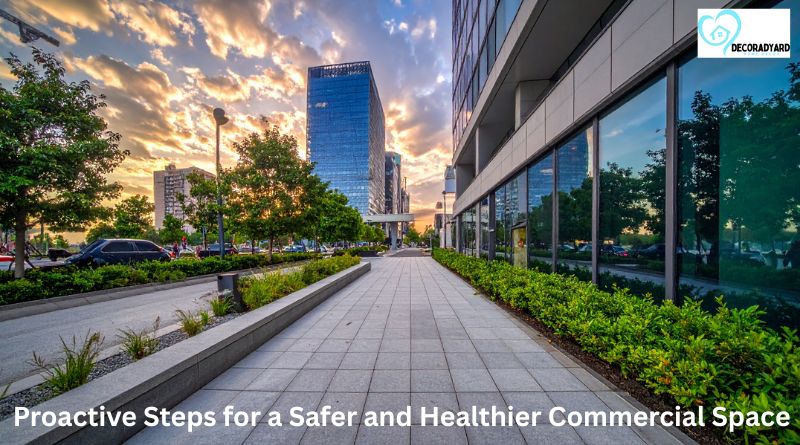
Maintaining a safe and healthy commercial environment goes far beyond simple cleanliness. Thoughtful strategies are essential for the well-being of employees, clients, and visitors, making proactive planning a priority. To learn more about practical ways to create a secure and inviting atmosphere in your commercial spaces, click here. Implementing forward-thinking measures can help prevent potential hazards, support productivity, and foster a welcoming impression that everyone notices.
Taking deliberate steps to improve organizational spaces goes beyond mere compliance with safety standards; it fosters a healthier work culture, enhances comfort, and promotes long-term operational efficiency. By prioritizing ongoing building management, property owners and managers set the groundwork for future success and minimize workplace disruptions. Regular assessments, staying abreast of technological advancements, and embracing sustainability reflect a commitment to the well-being of building occupants. Maintaining a fresh, safe, and well-kept environment signals dedication to employees, fostering improved morale and stronger business relationships. Continual evaluation and adjustment of practices are essential to ensuring these benefits endure over time.
Regular Industrial Cleaning
Dust, grime, and airborne contaminants tend to accumulate in commercial spaces, especially those with high foot traffic. Without consistent cleaning, allergens and irritants may circulate in the air, adversely affecting health and productivity. Industrial cleaning removes these contaminants, resulting in a noticeable improvement in both the overall appearance and the safety of the workplace. Importantly, prioritizing sanitation can also reduce absenteeism by minimizing the spread of illness among employees.
Adopting an effective cleaning schedule involves using high-grade disinfectants, maintaining regular floor care, and ensuring proper ventilation. Periodic deep cleanings in high-traffic areas, coupled with daily maintenance of restrooms and communal spaces, are central to maintaining healthy indoor air quality and providing peace of mind for everyone.
Strategic Lighting
Lighting design is an essential but often overlooked factor in facility safety. Poorly lit walkways, entrances, and parking areas substantially raise the risk of accidents and unwanted activity. Strategic placement of exterior and interior lighting, coupled with motion-sensitive controls, can dramatically improve visibility and discourage crime.
Integrating layers of lighting, such as task, ambient, and accent lights, allows property managers to tailor spaces for both day and night operations. Combining highly visible pathways and illuminated signage not only prevents injuries but also ensures that visitors, clients, and staff feel more secure when on-site.
Effective Pest Control
Pest management forms a crucial line of defense in safeguarding commercial facilities. Rodents and insects can spread bacteria, viruses, and allergens, compromise food safety, and damage physical assets. An integrated pest control approach involves routine inspections, secure food storage practices, prompt waste removal, and sealing entry points to reduce the likelihood of infestations before they occur.
Using environmentally responsible products and trapping systems adds another layer of protection for facilities aiming to balance health with sustainability. Regularly updating pest management programs based on seasonal risks and local trends ensures continuous effectiveness and minimum disruption to business operations.
Incorporating Indoor Plants
Indoor greenery serves as an essential component of a healthy indoor environment, offering significant benefits beyond aesthetic appeal. Plants actively filter indoor air by absorbing harmful pollutants and releasing oxygen, thereby mitigating the negative effects of pollutants from office equipment, furniture, and everyday activities. Recommended species for office settings include pothos, snake plants, and spider plants, recognized for their resilience and air-purifying capabilities.
In addition to improving air quality, plants contribute to employees’ overall well-being and productivity. Research indicates that workplaces adorned with strategically placed greenery experience higher employee satisfaction and engagement, and fewer sick days. This small yet impactful investment can significantly uplift workplace morale, enhance employee retention, and positively influence company culture.
Automating Climate Control
Climate control technologies are essential for managing temperature and humidity in commercial buildings while enhancing energy efficiency. These systems automatically regulate heating, cooling, and ventilation based on real-time data and occupancy, achieving both comfort and sustainability by reducing energy waste. Additionally, integrating advanced technologies such as smart thermostats, automated lighting dimmers, and programmable window shades can lead to substantial cost savings and prolong the lifespan of mechanical systems. Regular evaluations of these automated controls ensure that they meet organizational goals and comply with changing energy standards. By adopting these proactive strategies, organizations can foster resilient, productive environments, making it crucial to continuously assess facility management practices to create safe, inspiring workplaces.
Conclusion
Maintaining a clean, safe, and well-managed commercial facility requires a comprehensive approach that addresses hygiene, safety, and employee well-being. Regular industrial cleaning, strategic lighting, effective pest control, indoor plants, and automated climate systems work together to create healthier, more productive environments. By prioritizing these practices, organizations can reduce health risks, enhance comfort, and promote operational efficiency, ultimately fostering a workplace that supports both staff satisfaction and long-term organizational success.