In the heart of the city that never sleeps stands one of its most enduring architectural symbols — the New York brownstone. These stately row houses, with their signature stoops and sandstone facades, have become synonymous with urban elegance and historic charm. For over a century, brownstones have been a cornerstone of New York’s architectural identity, reflecting both the city’s past and its ever-evolving character.
Understanding the New York Brownstone
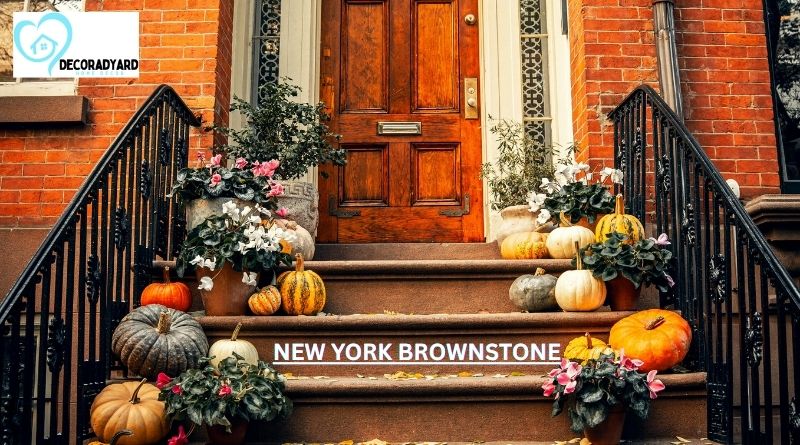
A New York brownstone refers to a townhouse built with a facade made from brown sandstone, a material quarried primarily in the 19th century from regions like Connecticut and New Jersey. This reddish-brown stone gave the houses their distinctive color and name. The design typically features multiple stories, tall windows, ornate moldings, and the iconic stoop — a staircase leading to the main entrance above street level.
Originally, brownstones were constructed as single-family homes for the city’s growing middle and upper-middle-class population. Over time, as New York’s population expanded, many of these homes were divided into apartments or converted into multifamily residences. Despite these changes, they have retained their architectural integrity and aesthetic appeal, making them some of the most sought-after properties in the city.
A Journey Through History
The rise of the New York brownstone dates back to the mid-19th century, particularly during the 1840s to 1880s. The style became popular due to the availability and affordability of brown sandstone compared to other materials. Neighborhoods such as Brooklyn Heights, Park Slope, Harlem, and the Upper West Side soon became lined with these elegant row houses, forming cohesive and picturesque streetscapes that still draw admiration today.
As New York evolved, so did the perception of brownstones. What were once modest middle-class homes are now prized symbols of luxury and history. Restoration efforts in the late 20th century revived many brownstones that had fallen into disrepair, breathing new life into historic neighborhoods and raising property values significantly.
The Architecture and Design Appeal
The design of a New York brownstone reflects the urban lifestyle of its time. The stoop, for instance, was not only a design choice but a social one — a space where neighbors gathered, children played, and people connected with their community. Inside, high ceilings, intricate woodwork, and large windows created a sense of openness and grandeur rarely found in modern apartments.
Architecturally, brownstones often showcase elements of Italianate, Neo-Grec, and Romanesque Revival styles. Their detailed cornices, arched doorways, and bay windows lend them a timeless aesthetic that continues to influence modern urban housing design. Many homeowners today blend historical preservation with contemporary updates, creating a perfect balance between old-world charm and modern comfort.
The Modern Appeal of Owning a Brownstone
In today’s real estate market, owning a New York brownstone is considered a mark of prestige. With limited supply and immense historical value, these homes are highly sought after by both local and international buyers. They offer not only beautiful living spaces but also a tangible connection to New York’s history.
Brownstones are often located in vibrant, tree-lined neighborhoods with easy access to parks, cafes, and cultural landmarks. This combination of history, community, and convenience makes them particularly appealing to families and professionals seeking an authentic New York experience.
Preserving the Legacy
The continued restoration and preservation of the New York brownstone are essential to maintaining the city’s architectural heritage. Organizations and homeowners alike invest in careful renovations that respect the building’s original craftsmanship while integrating modern amenities. Each preserved brownstone stands as a reminder of New York’s resilience, creativity, and timeless allure.
Conclusion
The New York brownstone remains a defining symbol of the city’s architectural beauty and cultural heritage. With their graceful facades, rich history, and enduring charm, these homes capture the essence of what makes New York extraordinary — a seamless blend of the past and present. Whether admired from afar or cherished as a home, the brownstone continues to embody the spirit of the city: strong, elegant, and ever-evolving.