Trees, like all living organisms, are profoundly influenced by the changing seasons. Each season presents unique challenges and opportunities for tree growth and health. Understanding these seasonal impacts is crucial to maintaining vibrant, resilient trees year-round. For those searching for a reliable tree service near me, professional providers like Tree Work Now LLC offer expert tree care services, including trimming and removal, across Central Florida. Their team of certified arborists is dedicated to enhancing the safety, health, and beauty of your trees. To learn more about their services, visit their website.
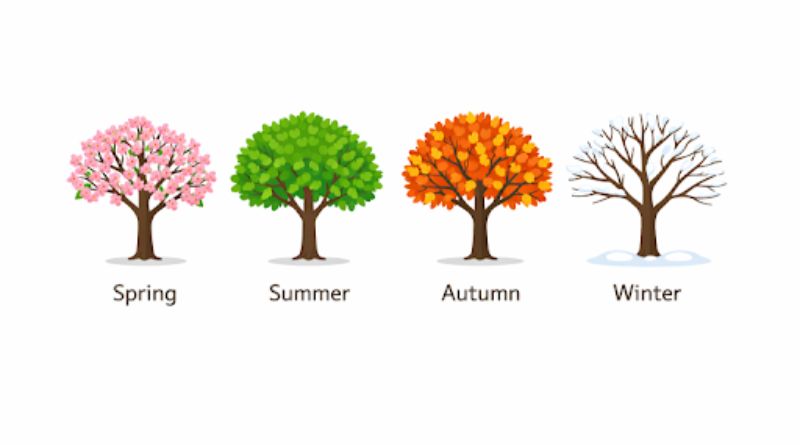
Spring: A Time of Renewal and Vulnerability
As temperatures rise and days lengthen, trees break dormancy, budding leaves and flowers, making them vulnerable to late frosts. Cold snaps can damage new growth, causing stunting or dieback. Spring warmth also awakens pests and diseases threatening trees. Regular checks help catch issues early.
Spring increases soil nutrients from melting snow and rain, activating roots to absorb water and minerals. Early fertilization supports emerging trees. Homeowners should clear debris around the base to promote growth and reduce fungal risks. It’s also a good time to manage invasive pests like aphids and caterpillars.
Summer: Growth Amidst Stress
Summer provides optimal conditions for photosynthesis, promoting robust growth. However, prolonged heat and drought can stress trees, leading to wilting leaves, premature leaf drop, and increased vulnerability to pests. Ensuring adequate watering and mulching can help mitigate these stresses. It’s also advisable to consult with professionals to assess and address any signs of stress.
Mulching is particularly beneficial in summer, as it helps retain soil moisture and moderate temperatures around the root zone. It’s important not to pile mulch too closely to the trunk, as this can encourage rot or pest infestations. In urban areas, summertime can expose trees to additional stressors, such as pollution and soil compaction, which hinder proper root function. Drought-prone regions require special care; slow, deep watering encourages roots to grow deeper, making trees more drought-resilient. Monitoring for leaf scorch, spider mites, and fungal infections is also important as high humidity and heat can accelerate these problems.
Autumn: Preparation for Dormancy
In autumn, trees prepare for dormancy by shedding leaves and changing nutrient absorption, crucial for energy conservation in cold months. Temperature fluctuations can cause issues like frost cracks, so monitoring and support are vital, including mulching and hydration. Autumn also offers a chance to assess tree structure, prune weak or diseased branches, and compost fallen leaves for mulch. It’s ideal for soil testing and supplementing with nutrients to promote root growth, while watching for fungal infections like discolored leaves, which thrive in autumn dampness.
Winter: Endurance and Protection
Winter poses risks such as frost damage and heavy snowfall, which can strain branches and threaten the structural integrity of trees. Deciduous trees shed their leaves to conserve energy, while evergreens continue photosynthesis at a reduced rate. Protecting trees from harsh winter conditions is essential for their survival. Wrapping young trees and providing windbreaks can help shield them from severe weather.
Winter is also the best time for major pruning because many diseases and insects are inactive. Pruning during dormancy reduces stress on trees and can improve their shape come spring. Ensure that soil around trees remains moist, as winter drought can be as damaging as summer drought—especially for newly planted trees. For evergreens, periodic watering during dry winter spells is important, particularly when the ground is not frozen. Removing heavy snow from branches gently, without shaking, can prevent breakage. Applying protective wraps around trunks of young trees helps prevent sunscald and rodent damage.
Climate Change: Amplifying Seasonal Challenges
Climate change complicates seasonal patterns like delayed leaf senescence and spring frosts, affecting trees’ health. Understanding these shifts is vital for better care and resilience. Climate change also shifts pest and disease ranges, stressing already vulnerable trees. Increased CO2 can speed growth but weaken wood or enlarge vulnerable leaves. Monitoring phenology helps with timely interventions and choosing suitable species for future conditions.
Proactive Tree Care Strategies
To maintain tree health throughout seasonal changes, implement several key strategies: Regular inspections are crucial for early detection of stress or disease, particularly during transitional seasons. Adjust watering schedules to accommodate seasonal needs, ensuring deep watering during dry spells. Apply mulch to help regulate soil temperature and moisture, acting as a buffer against extreme conditions. Seasonal pruning should be conducted to remove any damaged or diseased branches, which encourages healthy growth. Fertilization should be timed appropriately to enhance tree vigor, using organic compost or professional formulations for improved disease resistance and robust canopies. For protection, use trunk guards, netting, or wraps during vulnerable times, such as harsh winters or pest issues. Regular soil testing is important for assessing nutrient levels and pH, enabling necessary adjustments in care. An integrated pest management approach combining organic and targeted treatments is essential for sustainable pest and disease control. Overall, proactive tree care is a year-round commitment that demands close observation and quick responses to seasonal variations. Establishing a maintenance calendar for tasks like pruning, mulching, and soil amendment can help sustain trees’ vigor and resilience over the years.
Seeking Professional Assistance
For comprehensive tree care, consulting professionals is advisable. Tree Work Now LLC offers expert tree care services, including trimming and removal, across Central Florida. Their team of certified arborists is dedicated to enhancing the safety, health, and beauty of your trees. To learn more about their services, visit their website.
By understanding and addressing the impacts of seasonal changes, we can foster healthier trees that enhance our environment and communities.
Conclusion
Caring for trees through the seasons requires awareness, consistency, and proactive action. From spring’s vulnerability to summer heat stress, autumn preparation, and winter protection, each season poses unique challenges affecting tree health. Climate change intensifies these shifts, emphasizing the need for attentive, adaptable care. Regular practices like watering, mulching, pruning, and pest management strengthen resilience year-round. Consulting arborists helps address issues early. Well-maintained trees are more likely to thrive and provide long-term environmental, aesthetic, and community benefits.