A foosball table is more than just a piece of indoor furniture; it is a source of entertainment, competition, and social connection that has stood the test of time. Found in homes, offices, game rooms, cafés, and recreational clubs, foosball continues to attract players of all ages. Its simple design combined with fast-paced gameplay makes it easy to learn yet challenging to master. Whether you are a casual player looking for fun or a serious competitor sharpening your skills, foosball offers something for everyone.
The growing popularity of this tabletop game is closely tied to its ability to bring people together. In a world increasingly dominated by screens and digital entertainment, foosball provides a refreshing, hands-on experience that encourages face-to-face interaction. From friendly matches between friends to intense tournaments, the game creates moments of excitement, laughter, and bonding.
Understanding the Foosball Table and Its Origins
A Brief History of Foosball
The foosball table has its roots in early 20th-century Europe, where it was originally designed as a way for football enthusiasts to enjoy the sport indoors. Over time, the game evolved and spread across different countries, each contributing to its design and playing style. Eventually, foosball gained international recognition and became a staple in recreational spaces worldwide.
What started as a simple imitation of football soon became a competitive sport in its own right. Today, professional foosball tournaments are held globally, and standardized tables are used in official competitions. Despite these professional advancements, the game remains accessible and enjoyable for beginners.
How a Foosball Table Is Designed
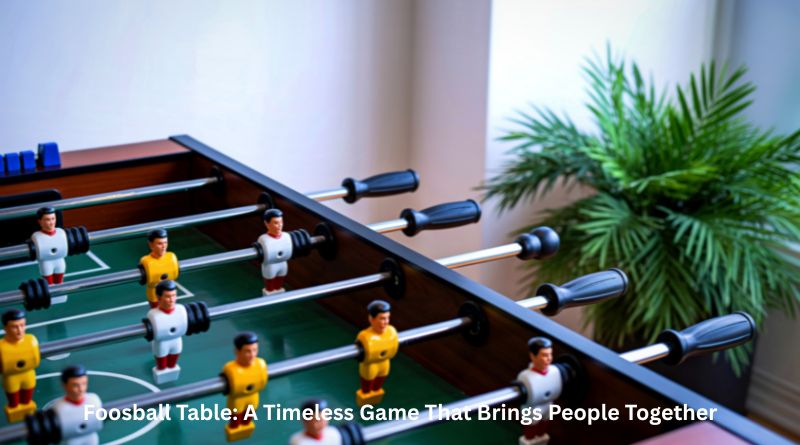
At first glance, a foosball table appears straightforward, but its design is carefully crafted to ensure smooth gameplay. The table consists of a rectangular playing field, typically marked to resemble a football pitch. Metal or wooden rods run horizontally across the table, each holding a set of player figures that can spin and slide.
The materials used in construction play a significant role in performance. High-quality tables often feature solid wood or composite cabinets, tempered glass or laminate playing surfaces, and ergonomic handles. These elements work together to provide durability, balance, and precise control during play.
Why a Foosball Table Is Perfect for Every Space
Ideal for Home Entertainment
Adding a foosball table to your home instantly elevates your entertainment options. It becomes a central attraction during gatherings, offering guests an engaging activity that does not rely on screens or complicated rules. Families often appreciate foosball because it allows parents and children to play together, bridging age gaps through friendly competition.
Unlike many other games, foosball does not require a large room. Compact models are available for smaller spaces, while full-size tables fit perfectly in dedicated game rooms. This flexibility makes it easy for homeowners to enjoy the game without major adjustments to their living space.
A Great Addition to Offices and Workplaces
Modern workplaces increasingly recognize the value of recreational activities in boosting morale and productivity. A foosball table in an office lounge or break area encourages employees to take short, refreshing breaks. These moments of play can reduce stress, improve teamwork, and spark creativity.
Foosball also fosters healthy competition and communication among colleagues. A quick match during lunch or after work can strengthen relationships and contribute to a more positive work environment.
Types of Foosball Tables Available Today
Standard Full-Size Tables
Full-size foosball tables are the most common and are often used in tournaments and competitive settings. They offer a stable structure, professional dimensions, and smooth gameplay. These tables are ideal for serious players who want an authentic experience similar to what is found in professional competitions.
Because of their size and weight, full-size tables are best suited for game rooms, recreational centers, or offices with ample space. Their durability ensures long-term use, even with frequent play.
Compact and Tabletop Options
For those with limited space, compact or tabletop foosball tables provide a convenient alternative. These versions maintain the core mechanics of the game while being easier to store and move. They are popular among families with young children or individuals who want a casual gaming option.
While compact tables may not offer the same level of stability as full-size models, they still deliver plenty of fun and are perfect for light, recreational play.
How to Choose the Right Foosball Table
Consider Your Playing Style
Before purchasing a foosball table, it is important to think about how you plan to use it. Casual players may prioritize affordability and portability, while competitive players often focus on build quality and performance. Understanding your playing style helps narrow down the options and ensures long-term satisfaction.
If multiple people will be using the table, durability becomes a key factor. Strong rods, sturdy cabinets, and reliable playing surfaces are essential for consistent performance.
Space and Placement Matters
The available space in your home or office plays a crucial role in choosing the right table. Adequate clearance around the table is necessary for comfortable gameplay, allowing players to move freely while handling the rods. Measuring your space beforehand helps avoid future inconvenience.
Lighting is another consideration. A well-lit area enhances visibility and makes gameplay more enjoyable, especially during fast-paced matches.
The Social and Mental Benefits of Playing Foosball
Encouraging Social Interaction
One of the greatest advantages of a foosball table is its ability to bring people together. Unlike solitary games, foosball thrives on interaction. Players communicate, strategize, and celebrate victories together, creating shared experiences that strengthen social bonds.
In social settings, foosball often serves as an icebreaker. It helps people connect naturally, making it easier to start conversations and build relationships.
Improving Focus and Coordination
Playing foosball requires quick reflexes, hand-eye coordination, and strategic thinking. Regular play can improve concentration and reaction time, making it a mentally stimulating activity. Players must anticipate their opponent’s moves while maintaining control of their own rods.
These cognitive benefits make foosball more than just a game. It becomes a fun way to keep the mind sharp while enjoying friendly competition.
Maintaining and Caring for Your Foosball Table
Regular Cleaning and Upkeep
Proper maintenance ensures that your foosball table remains in excellent condition for years. Regularly cleaning the playing surface prevents dust and debris from affecting ball movement. Wiping down the rods and handles keeps them smooth and responsive.
Using appropriate lubricants on the rods can significantly improve gameplay. However, it is important to use products specifically designed for foosball tables to avoid damage.
Protecting the Table from Damage
Placement plays a role in maintenance as well. Keeping the table away from excessive moisture or direct sunlight helps preserve its materials. If the table is not in use for extended periods, covering it can protect it from dust and accidental spills.
Simple care routines go a long way in maintaining performance and appearance, ensuring every match feels as enjoyable as the first.
Foosball as a Competitive Sport
Professional Tournaments and Leagues
While many people enjoy foosball casually, it has also grown into a competitive sport with organized tournaments and leagues. Professional players train extensively, mastering techniques such as precise passing, controlled shots, and defensive strategies.
Competitive foosball highlights the depth of the game, proving that it requires skill, discipline, and practice. Watching or participating in tournaments can inspire casual players to improve their own abilities.
Developing Skills Through Practice
Consistent practice is key to becoming better at foosball. Players often focus on improving ball control, timing, and strategic positioning. Over time, these skills translate into smoother gameplay and more satisfying matches.
Even for non-professional players, skill development adds an extra layer of enjoyment. Each improvement feels rewarding and motivates continued play.
Why a Foosball Table Is a Worthwhile Investment
Investing in a foosball table offers long-term value that goes beyond entertainment. It provides a platform for social interaction, mental stimulation, and stress relief. Unlike many digital games that quickly lose their appeal, foosball remains engaging year after year.
The versatility of the game makes it suitable for various environments, from homes to offices and recreational centers. With proper care, a quality table can last for decades, creating countless memories along the way.