Whether you’re dealing with routine yard maintenance or post-storm cleanup, effective brush and debris removal is crucial for keeping your property secure and visually appealing. Assessing your cleanup needs upfront and adopting sound strategies helps expedite the process, ensures regulatory compliance, and benefits the local environment. For those in the St. Louis area, debris removal St. Louis services can offer a reliable solution tailored to your specific property requirements.
From equipment selection to debris disposal, understanding each step of the removal process enhances not only efficiency but also safety. Approaching the task with a clear plan and the right information helps prevent costly setbacks and unnecessary hazards while improving outcomes for all property sizes and types.
Assessing the Area
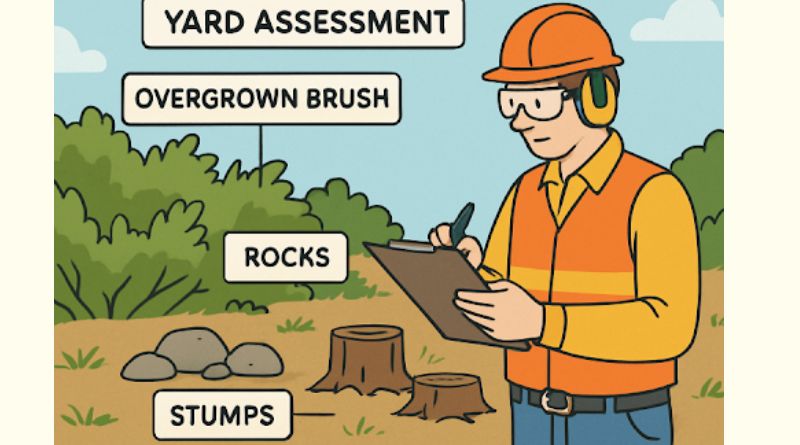
A thorough assessment should always precede any brush or debris removal project. Begin by walking the property and observing key details, such as vegetation density, plant types, and land layout. Watch out for hidden hazards, such as uneven ground, concealed rocks, or large tree stumps, as they pose risks of injury and equipment damage. Documenting these challenges supports careful planning and can guide your decisions on whether to tackle the job yourself or seek professional help.
The size of the area, ease of access, and proximity to other structures or public spaces will impact your choice of tools and strategies. If the property is near bodies of water or contains protected species, additional precautions and permits may be needed. Understanding your landscape is the first step toward safe, streamlined removal.
Choosing the Right Tools
The right tools let you clear brush efficiently and safely. For thick undergrowth, opt for a brush mower or heavy-duty trimmer. Smaller, more precise work is best handled using pruning shears, loppers, or tree pruners. Consider renting specialized equipment for significant cleanups to avoid unnecessary investment in seldom-used items.
Always match your tool selection to the specific vegetation and terrain. Improper use not only hinders progress but can also lead to equipment malfunction or personal injury. Carefully read the manufacturer’s instructions and seek professional guidance if using power tools for the first time.
Implementing Safe Removal Techniques
Prioritizing safety can prevent injuries and minimize property damage. Personal protective equipment (PPE) such as work gloves, eye protection, boots, and sturdy clothing should always be worn. When using machinery like chainsaws or brush cutters, familiarize yourself with safety features and operational best practices. Never operate equipment when tired, distracted, or alone if the site is remote.
Clear a path before operating any machinery, and be mindful of the location of other people or pets. Take breaks to reduce fatigue, and stay hydrated during extended physical work. Organizations such as the Centers for Disease Control and Prevention (CDC) provide essential safety tips specific to yard and storm debris cleanup.
Proper Disposal of Debris
After collection, disposing of debris responsibly is essential for health and environmental reasons. Many municipalities offer curbside collection or designated drop-off locations for yard waste. Alternatively, the brush can be chipped into mulch for reuse on the property or composted if it is free of harmful plants and chemicals. Burning debris is strictly regulated and banned in many areas, so consult local policy before considering this option.
Improper disposal, such as illegal dumping, can result in fines and environmental harm, especially if plant material carries pests or disease. Responsible disposal not only aids the ecosystem but also supports community cleanliness and safety.
Understanding Local Regulations
Brush and debris removal is governed by a range of local ordinances intended to combat invasive species, protect air and water quality, and reduce fire risk. Before starting, research the city or county requirements concerning property maintenance, burning restrictions, and land clearing. Some jurisdictions require permits for burning or even for operating certain types of heavy equipment.
Contact your local government offices or consult with environmental agencies to make sure every step of your project complies with regulations. Failing to do so can halt your work and lead to legal consequences.
Preventing Future Overgrowth
Efficient debris removal should be paired with proactive measures to prevent rapid regrowth. Regular mowing, pruning, or use of ground covers like mulch can reduce the chances of invasive species returning. Installing landscape fabric or strategic planting of low-maintenance ground covers also helps control unwanted growth.
Establish a recurring maintenance schedule based on the region’s growing season. Diligent attention now will save significant time and effort in the future, reducing the likelihood of larger, more problematic removal projects.
When to Hire Professionals
For extensive areas, difficult terrain, or sites with hazardous plants and wildlife, hiring a professional is often the safest choice. Specialists possess the experience and advanced equipment to perform large-scale clearings swiftly and in compliance with the law. They can also address situations that require extensive hauling or specialized disposal, which most property owners are not equipped to handle.
Additionally, professionals can assist with post-clearing land stabilization, recommendations for erosion control, and landscaping advice to discourage future overgrowth.
Final Thoughts
Thorough planning, appropriate tools, adherence to safety procedures, and respect for local regulations are all crucial components of effective brush and debris removal. Ongoing maintenance and timely professional intervention can further simplify the management of your outdoor spaces. By integrating these strategies, property owners protect their investment, promote safety, and contribute to a positive local environment.