In modern design and lifestyle trends, the drape story has taken on new meaning and versatility. No longer limited to traditional clothing or classical décor, it is now a powerful design language used across fashion, interiors, events, and even digital media. The way fabric falls, folds, and flows continues to inspire creators who want to communicate emotion, identity, and movement in a subtle yet impactful way.
Drape Story in Contemporary Fashion
In today’s fashion industry, a drape story is often used to create garments that feel expressive and fluid rather than stiff or overly structured. Designers rely on draping techniques to sculpt clothing directly on mannequins or bodies, allowing fabric to naturally respond to movement. This approach results in silhouettes that feel organic, comfortable, and visually striking. Modern fashion embraces drape stories to highlight individuality, body positivity, and freedom of expression, making draped designs popular in haute couture, ready-to-wear collections, and sustainable fashion lines.
Interior Design and Home Styling
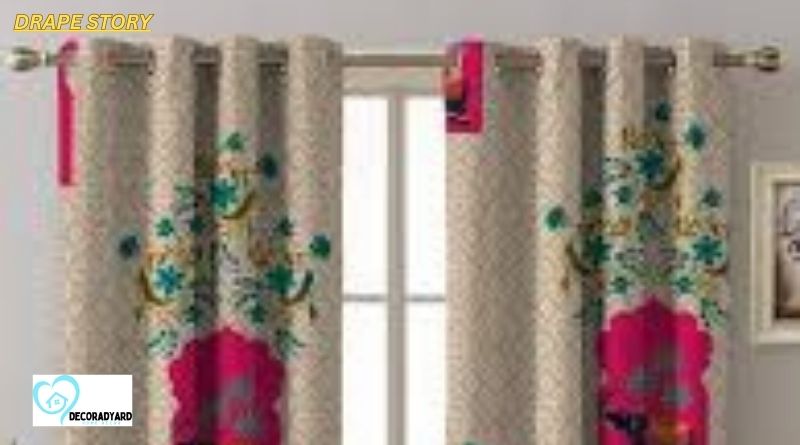
One of the most visible modern uses of a drape story is in interior design. Designers use layered curtains, flowing sheers, and textured fabrics to soften spaces and create mood. A well-planned drape story can make a room feel cozy, luxurious, airy, or dramatic depending on fabric choice and arrangement. In modern homes, draping is also used creatively in wall treatments, bed canopies, and room dividers, helping to add depth and warmth without heavy construction.
Event Styling and Visual Merchandising
Event planners and visual merchandisers rely heavily on drape story concepts to transform spaces quickly and effectively. From weddings and exhibitions to retail displays, draped fabrics help guide attention, define areas, and create memorable atmospheres. A carefully designed drape story can elevate a simple venue into an immersive experience by using color, texture, and flow to tell a visual narrative that aligns with the event’s theme or brand identity.
Art, Installations, and Creative Spaces
Modern artists and installation designers use drape stories to explore emotion, movement, and spatial relationships. Fabric installations often respond to air, light, and human interaction, making the drape story dynamic rather than static. These works invite viewers to engage with the material in a sensory way, reinforcing the idea that draping is not just decorative but deeply expressive and conceptual.
Digital Media and Branding Influence
Even in the digital world, the influence of drape story can be seen. Fashion photography, branding visuals, and product styling often use flowing fabrics to convey softness, luxury, or motion. This modern interpretation shows how drape stories translate beyond physical spaces into visual storytelling that resonates with contemporary audiences.
In today’s creative landscape, the drape story remains relevant because it adapts effortlessly to changing trends while maintaining its emotional and artistic core. Its modern uses prove that fabric, when thoughtfully arranged, can still tell powerful stories in fresh and meaningful ways.