Introduction
Canvas painting is more than just applying color to a surface—it is a deeply personal form of expression that allows artists to translate emotions, stories, and ideas into visual form. For centuries, canvas has been a trusted companion to artists, offering durability, flexibility, and endless creative potential. Whether painted for passion, profession, or peace of mind, canvas painting continues to hold a timeless place in the world of art.
Understanding Canvas Painting
Canvas painting involves creating artwork on a fabric surface, most commonly cotton or linen, stretched tightly over a wooden frame. Before painting, the canvas is usually treated with gesso, a primer that seals the fabric and helps paint adhere better. This preparation allows colors to appear richer and ensures the artwork lasts for years.
Unlike paper, canvas can withstand heavy layers of paint, repeated corrections, and experimental techniques, making it ideal for both beginners and seasoned artists.
A Brief History of Canvas Painting
Canvas painting emerged as a practical alternative to wooden panels during the Renaissance. Artists sought a lighter, more portable surface that resisted warping, especially for large-scale works. Over time, canvas became the preferred medium for oil painters and later for acrylic artists. Iconic works from various art movements—realism, impressionism, abstract expressionism—were brought to life on canvas, shaping the visual culture we know today.
Types of Canvas Used by Artists
Choosing the right canvas can influence the final outcome of a painting:
Cotton Canvas: Soft, affordable, and widely used, especially by beginners and acrylic painters.
Linen Canvas: Stronger and more refined, offering a smoother texture favored by professional artists.
Canvas Boards: Canvas glued to a firm board, suitable for practice, studies, and outdoor painting.
Stretched Canvas: Ready-to-use canvases stretched over wooden frames, ideal for finished artwork.
Each type offers a different feel, texture, and level of durability, allowing artists to choose based on their style and purpose.
Materials and Tools
Authentic canvas painting relies not only on skill but also on appropriate materials:
Canvas (prepared or raw)
Paints such as acrylics or oils
Brushes of varying sizes and textures
Palette for mixing colors
Palette knives for texture work
Water, solvents, or mediums
These tools become extensions of the artist’s hand, helping translate imagination into form.
Expressive Techniques in Canvas Painting
Canvas painting supports a wide range of techniques, including:
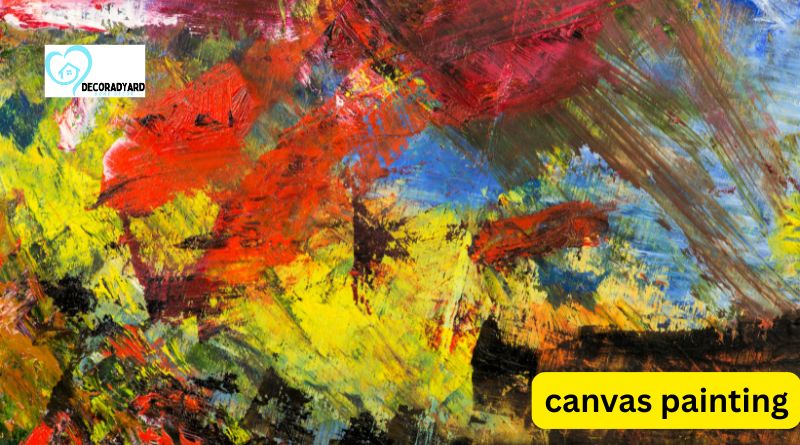
Impasto: Thick paint application that adds physical depth and emotion.
Glazing: Transparent layers that create richness and complexity.
Dry Brush: Light strokes that produce texture and movement.
Palette Knife Work: Bold, spontaneous marks for expressive impact.
Layering: Building a painting gradually to enhance realism or abstraction.
These techniques allow artists to develop a unique visual language.
Why Canvas Painting Matters
Canvas painting offers more than aesthetic value. It encourages mindfulness, creativity, and emotional release. Many artists describe painting as a conversation between the mind and the hand, where mistakes often lead to unexpected beauty. The permanence of canvas also allows artwork to be preserved, displayed, and shared across generations.
Canvas Painting for Beginners
For those starting out, acrylic paints are a practical choice due to their fast drying time and easy cleanup. Beginners are encouraged to experiment freely, focus on learning rather than perfection, and explore subjects that inspire them personally. Over time, confidence grows through practice and curiosity.
Caring for Canvas Paintings
To maintain the integrity of a canvas painting:
Keep it away from direct sunlight and humidity
Clean gently with a soft, dry cloth
Apply varnish after the painting has fully cured
Store and display in a stable environment
Proper care ensures that a painting remains vibrant and intact for years.
Conclusion
Canvas painting is a powerful blend of technique, emotion, and individuality. It has endured through centuries because it adapts to every artist’s voice and vision. Whether used to capture reality or explore abstraction, canvas painting remains a meaningful and authentic form of artistic expression—one that invites creativity without limits.