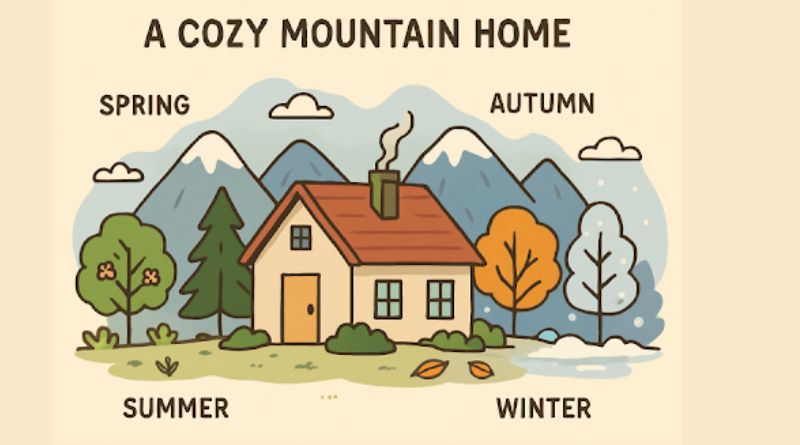
Living in the mountains offers a stunning lifestyle enhanced by clean air, dramatic landscapes, and unparalleled adventure opportunities. This unique way of life, however, also presents distinct challenges that require careful planning and informed choices for comfort, safety, and convenience. Whether you are a longtime resident or considering a move to the mountains, these strategies will help you enjoy the best of mountain living throughout every season. For inspiration on luxury living in the region, explore the best Four Seasons Residences in Deer Valley, Utah, and see how exceptional design harmonizes with alpine settings.
Mountain homes must be designed for their environment, using the right materials and features to withstand changing weather and ensure year-round comfort. Energy efficiency, water conservation, and wildlife-conscious practices are also key to successful mountain living.
Adapting to seasonal changes requires preparation and ongoing maintenance, from spring thaw to winter snow. By practicing sustainability, respecting the ecosystem, and staying connected with the community, homeowners can create a resilient, rewarding mountain lifestyle.
Site-Specific Design
Effective mountain home design starts with a deep understanding of the site. Thoughtful design optimizes sunlight exposure, leverages view corridors, and preserves privacy from neighbors or public trails. Using passive solar principles and considering local wind patterns can increase energy efficiency and interior comfort. Many architects recommend orienting living spaces toward the best views while providing ample shelter from prevailing weather. Integrating the house into the landscape also reduces environmental disruption and helps maintain local biodiversity.
Material Selection
Choosing materials for durability and minimal upkeep is crucial in mountainous regions. Stone, concrete, and metal can serve as thermal mass, stabilizing indoor temperatures and offering resilience against harsh elements. When possible, opt for materials that weather gracefully over time, like reclaimed wood or rusted steel; these blend seamlessly with the natural setting and require less maintenance. High-performance insulation and robust exterior finishes protect against rot, pests, and freeze-thaw cycles.
Energy Efficiency
Given unpredictable mountain climates, energy management takes on heightened importance. Invest in high-quality windows and well-insulated doors that keep interiors comfortable while still capitalizing on the views. Large overhangs protect against snow accumulation and summer sun, reducing cooling and heating demands. Today, smart home systems allow homeowners to monitor and control heating, lighting, and security remotely, an especially valuable feature for second homes or if harsh weather makes travel difficult. Seek local incentives or rebates for sustainable upgrades where possible.
Seasonal Preparations
Each season brings new home care priorities. In the spring, inspect foundations and exterior walls for wind and water damage. Summer means creating defensible fire space around the home. Clearing brush and trimming trees can make a significant difference. In autumn, focus on winter readiness: service your furnace, clean gutters, and check seals around windows and doors. Regular seasonal maintenance is not only practical but also essential for keeping systems operating efficiently and reducing future repair costs.
Water Conservation
Water scarcity is a fundamental concern in higher elevations. Rainwater harvesting systems provide an effective way to supplement irrigation or other non-potable water supplies. Installing low-flow plumbing fixtures and repurposing greywater also limit consumption and alleviate demand on municipal or well water sources. Drought-tolerant landscaping can help you maintain a beautiful property with far less water.
Wildlife Awareness
Respecting local wildlife is part of the mountain living ethos. Simple steps, such as securing garbage and avoiding outdoor food storage, keep both residents and animals safe. Fencing can protect gardens from deer, while motion-activated lights may deter nighttime visitors such as raccoons or bears. Staying informed about animal activity and seasonal patterns helps prevent hazardous encounters and supports conservation efforts.
Year-Round Fitness
Staying physically active ensures overall health and better acclimatization to high-altitude living. In warmer months, hiking, biking, and running contribute to cardiovascular fitness and leg strength. These activities set a solid foundation for winter sports such as skiing or snowshoeing. A regular fitness routine not only prepares you for outdoor adventure but also enhances mental well-being, an essential aspect of living in more isolated mountain communities.
Community Engagement
Engagement with your local community adds richness to the mountain lifestyle. Participating in seasonal festivals, farmers’ markets, and volunteer opportunities builds connections and strengthens residents’ resilience. Communities in mountain towns often rely on collective action for fire mitigation, trail stewardship, or neighborhood safety. Getting involved ensures you are an active part of the area’s vibrant, supportive culture.
Adopting these best practices will make your mountain home more comfortable, efficient, and harmonious with its environment. Through thoughtful design, sustainable choices, and strong community ties, you can enjoy a fulfilling year-round mountain lifestyle no matter the challenges that arise.