Key Takeaways
- Proper measurement and assessment of existing windows are crucial for a successful replacement.
- Choosing the right materials and energy-efficient options can lead to significant savings.
- Hiring qualified professionals ensures proper installation and long-term performance.
Table of Contents
- Assessing Your Current Windows
- Choosing the Right Replacement Windows
- Understanding Energy Efficiency Standards
- Measuring for Replacement Windows
- Selecting a Qualified Installer
- Preparing for Installation Day
- Post-Installation Inspection and Maintenance
- Conclusion
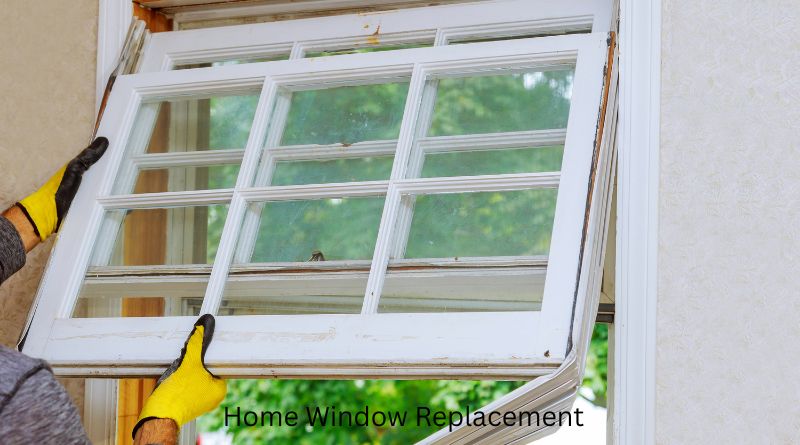
Upgrading your home’s windows offers many benefits, including improved energy efficiency, greater comfort, and enhanced curb appeal. If you plan to increase your home’s value and enjoy long-term savings, it is important to carefully follow recognized best practices throughout your window replacement project. When planning upgrades, you should also consider window replacement in Salt Lake City to improve efficiency suited to the region’s conditions. Following the latest installation standards and choosing the right products for your property will help you avoid common pitfalls, maximize your investment, and ensure your new windows perform well for years to come. Assessing your current windows, measuring with precision, and preparing your space for professionals are essential steps that make all the difference in the outcome.
Assessing Your Current Windows
Start by thoroughly evaluating the condition of your existing windows. Signs like persistent drafts, visible condensation between windowpanes, or difficulty opening and closing your windows signal reduced efficiency. These issues not only affect comfort but can also lead to higher energy expenses over time. Early assessment provides clarity about whether repairs may suffice or a complete replacement is needed, which is vital for planning your budget and timeline.
Choosing the Right Replacement Windows
When selecting new windows, consider both functionality and aesthetics. Window frame materials such as wood, vinyl, aluminum, and fiberglass each offer specific benefits. For example, vinyl is affordable and requires minimal maintenance, while wood frames provide timeless beauty but demand more care. Double-pane glass with inert gas fills provides far greater insulation than older single-pane glass, helping keep your home consistently comfortable throughout the year. Consider how the window’s style and finishing integrate with your home’s architecture and visual appeal.
Understanding Energy Efficiency Standards
Modern windows are engineered to meet rigorous energy-efficiency standards, helping homeowners save on utility bills. The Energy Star label is the most recognized certification, confirming that a window meets criteria set by the Environmental Protection Agency. According to the U.S. Department of Energy, Energy Star-rated replacements can reduce household energy bills by up to 12%, making this upgrade a smart investment. When you select windows, compare their ratings and ask about features such as low-emissivity coatings and enhanced weather stripping for year-round savings.
Measuring for Replacement Windows
Accurate measurement ensures your replacement windows will fit perfectly and perform as designed. To get a precise fit, measure the width and height of the current window frame in three different places each. Always record the smallest number to prevent a window that is too large for the opening. This careful preparation helps your contractor order the right size products and prevents delays caused by poorly fitting windows. If you need guidance, you can find a comprehensive walkthrough in the This Old House window measuring guide.
Selecting a Qualified Installer
The skills and experience of your installer directly affect the success and durability of your new windows. Look for certified professionals with positive online reviews and evidence of successful projects similar to yours. A reputable company or independent contractor will understand how to correctly seal windows, align them to prevent warping, and ensure smooth operation. Interview a few candidates, verify their credentials, and request proof of insurance before signing any agreements. Proper installation is as important as choosing quality windows for your home’s performance.
Preparing for Installation Day
Ensuring clear, unobstructed access to every window speeds up the installation process and reduces the risk of accidental damage. Before the team arrives, remove any curtains, blinds, security sensors, and objects from nearby shelves or ledges. It is wise to protect flooring and furniture with drop cloths, especially in high-traffic areas. Inform household members and pets about the work schedule so everyone can avoid installation zones while the project is underway.
Post-Installation Inspection and Maintenance
Once the new windows are installed, a thorough inspection will ensure your investment is protected. Check for smooth operation, tight seals, and the absence of air or water leaks. Early detection of issues, such as drafts or improper latching, helps prevent future complications. Long-term care is also important. Regular cleaning, seasonal inspections, and prompt repairs of minor issues will extend window life and protect your home’s envelope for decades to come. For more maintenance tips, consult trusted publications like Better Homes & Gardens.
Conclusion
Following these best practices equips you to enjoy all the benefits of quality window replacement. From improved energy efficiency to refreshed curb appeal and lower utility bills, careful planning, precise measurements, and working with professional installers help ensure your project succeeds. Stay proactive with inspections and regular maintenance, and your new windows will serve your home well for years.