Table of Contents
- Energy Efficiency and Cost Savings
- Space-Saving Design
- Continuous Hot Water Supply
- Extended Lifespan and Reduced Maintenance
- Environmental Impact
- Considerations Before Installation
- Conclusion
With energy costs rising and the need for sustainable choices more urgent than ever, homeowners are shifting their focus toward upgrades that deliver both savings and long-term environmental benefits. A standout innovation in this drive toward efficiency is the adoption of tankless water heaters. These units are transforming households by lowering energy use, shrinking utility bills, and reducing their overall ecological footprint. For those looking to invest in the latest home water heating technology, tankless water heater services in southern Utah offer expert solutions tailored to modern needs.
The on-demand nature of tankless water heaters sets them apart, making them a preferred choice for new builds and home renovations alike. Unlike traditional systems, these units deliver hot water exactly when it is needed, eliminate energy waste, and align perfectly with today’s efficiency goals. As more households recognize the advantages, tankless water heaters are quickly becoming a foundational feature of smart, future-ready homes.
Energy Efficiency and Cost Savings
Standard water heaters with tanks store and continuously heat large volumes of water, wasting energy through heat loss even when the hot water isn’t being used. Tankless water heaters solve this problem by heating water only when it is called for, resulting in a sharp reduction in energy use. According to the U.S. Department of Energy, homes that use 41 gallons or less of hot water daily can save 24-34 percent in energy costs with tankless models compared to traditional tank units. These savings accumulate over time, making tankless systems not only more efficient but also more cost-effective in the long run.
Households with greater hot water needs may still benefit from installing multiple tankless units or a larger model to meet demand. Regardless, eliminating standby energy loss ensures homeowners maximize energy use while minimizing utility costs.
Another important financial factor is the eligibility for rebates and tax credits in many regions, as governments and utility companies promote energy-efficient home upgrades. These incentives help offset initial costs, making the transition to tankless technology more accessible for a wide range of homeowners.
Advanced tankless systems also allow integration with smart home technology for greater efficiency and control, providing real-time monitoring and maintenance reminders. This connectivity can help users track performance and savings even more closely.
Space-Saving Design
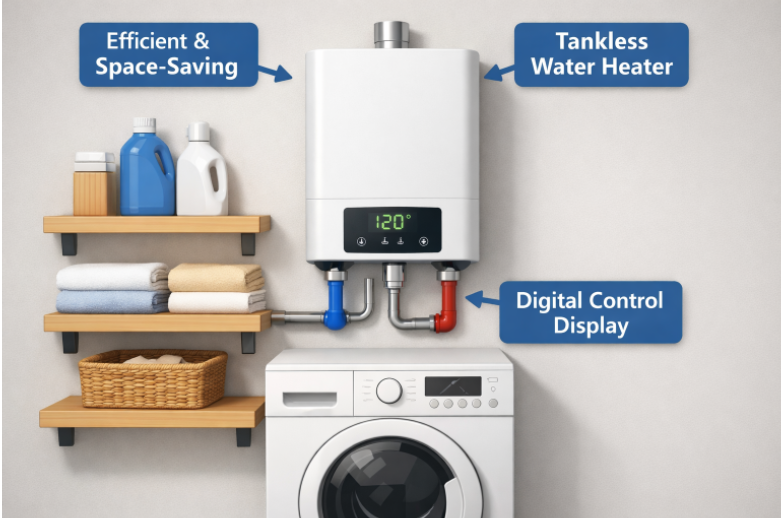
The footprint of a traditional water heater can take up a significant portion of an attic, basement, or utility closet. In contrast, tankless water heaters are ultra-compact and typically wall-mounted. This feature frees up valuable floor space, leaving room for storage, appliances, or even an additional living area. In small homes or apartments, this space efficiency can transform a cluttered utility area into a more functional, organized space.
Beyond maximizing square footage, the flexibility of installing a tankless unit in various locations can simplify home design and remodeling. Homeowners gain more options when planning the layout of new homes or upgrading existing properties.
Continuous Hot Water Supply
The convenience of unlimited hot water is a major selling point of tankless systems. With traditional units, running multiple showers or filling large bathtubs in succession can quickly drain the tank, requiring a wait while it reheats. Tankless models, however, deliver hot water endlessly as long as demand doesn’t exceed the unit’s flow rate. This means no one in the household needs to worry about cold showers, even during busy mornings or gatherings when hot water is in high demand.
Choosing the right size and number of tankless units ensures that all your water-heating needs are met efficiently, regardless of your family size or usage frequency.
Extended Lifespan and Reduced Maintenance
Tankless water heaters typically last much longer than their tank-equipped counterparts. The average tankless unit operates efficiently for upwards of 20 years, compared to 8 to 12 years for traditional models. Since water flows directly through the system, there is less risk of corrosion and scale buildup that can plague tank systems. Fewer breakdowns and less frequent replacement mean homeowners benefit from additional savings and peace of mind over the long term.
Although regular maintenance is required, such as periodic descaling, the work involved is often less frequent and less intensive than caring for conventional units, making tankless systems a practical choice for those who want to minimize home upkeep.
Environmental Impact
Choosing a tankless water heater is a tangible step toward a lower-carbon lifestyle. Because these units use less energy, they also produce fewer greenhouse gas emissions. Over time, homeowners not only see reduced utility bills, but they also actively support broader environmental goals. Many modern tankless systems are compatible with renewable energy sources, such as solar power, further reducing reliance on fossil fuels and maximizing sustainability.
For anyone seeking to align home improvements with eco-friendly values, installing a tankless water heater is a meaningful and effective home upgrade.
Considerations Before Installation
While tankless water heaters offer powerful benefits, a few important factors must be weighed before installation. Initial purchase and installation costs can be higher than those for traditional water heaters, and upgrades to existing plumbing or electrical systems may be necessary. A professional installer can evaluate whether additional work is needed to meet the requirements of a tankless system.
Routine maintenance, particularly in areas with hard water, is crucial to ensure long-term performance. Following the manufacturer’s maintenance schedule, including descaling and checking system components, helps keep the unit running smoothly and efficiently for years to come.
Conclusion
Tankless water heaters have cemented their place as a leading choice for homeowners committed to energy efficiency, space savings, and sustainability. As more people invest in upgrades that provide lasting value and environmental benefits, these systems continue to prove their worth in modern homes. By understanding both the clear advantages and practical considerations, homeowners can make well-informed decisions that match their efficiency goals and support greener living for years to come.