Key Takeaways
- Regular inspections and maintenance are essential for garage door safety.
- Testing safety features like auto-reverse mechanisms can prevent injuries.
- Proper storage of hazardous materials in the garage reduces risks.
- Enhancing garage security protects against unauthorized access.
Table of Contents
- Regular Inspections and Maintenance
- Testing Safety Features
- Proper Storage of Hazardous Materials
- Enhancing Garage Security
- Child Safety Measures
- Improving Energy Efficiency
- When to Seek Professional Maintenance
- Conclusion
Garage door safety is an essential but often overlooked aspect of home maintenance. Failing to follow proper safety measures can lead to accidents or security vulnerabilities, impacting both your loved ones and your property. By incorporating routine safety checks and best practices, you can prolong the life of your garage door and greatly reduce risks at home. For those looking for professional help or local expertise, Lakelands Overhead Door Corporation offers comprehensive services and guidance for homeowners, ensuring peace of mind. Most homeowners do not realize that their garage door is the largest moving object in their house, and that without proper maintenance and security, it can pose real dangers. Awareness and a proactive approach are crucial for keeping your garage area safe and secure year-round. Following expert-backed tips will also help you save money on costly repairs while addressing hidden hazards before they escalate.
Regular Inspections and Maintenance
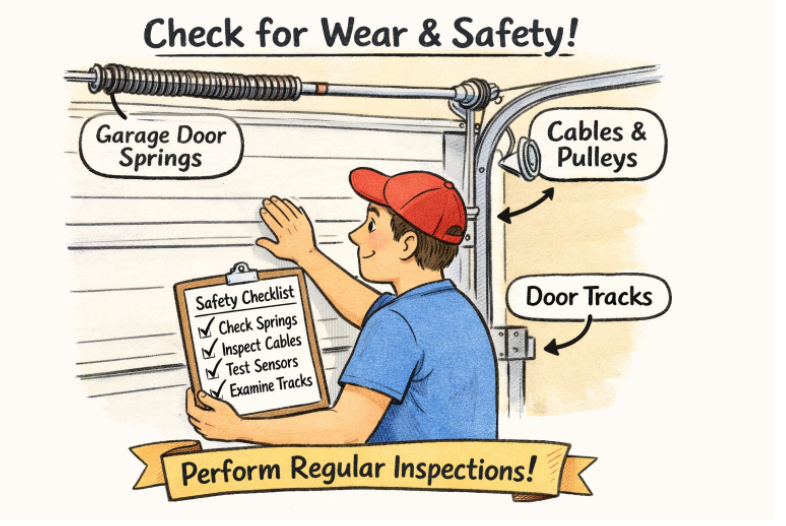
Set a monthly reminder to conduct both visual and operational inspections of your garage door. Start by looking for obvious wear and tear on critical components such as springs, cables, hinges, and tracks. Pay attention to any signs of rust, frayed wires, or loosened hardware. Unusual noises, such as grinding or scraping, can be early warning signs of mechanical problems. Lubricate all moving metal parts with a manufacturer-recommended lubricant to avoid squeaks and keep the door running smoothly. Inspect weather stripping to ensure it remains intact and properly sealed, which will help with both safety and energy efficiency. Cleaning the tracks and removing debris can also prevent the door from jamming or straining the opener.
Testing Safety Features
Modern garage doors are equipped with essential safety features, such as auto-reverse mechanisms and photo-eye sensors. To test the auto-reverse function, place a wood plank or paper towel roll in the door’s path before closing it. If the door fails to reverse direction upon contact, it is time to call for repairs. Testing photo-eye sensors is also important. These sensors prevent the door from closing if anything crosses their beam. Wipe the sensors clean and ensure they are properly aligned at the base of the door track.
Proper Storage of Hazardous Materials
Most garages store items such as gasoline, motor oil, pesticides, and paint, which can be hazardous to both humans and pets. Store these chemicals in their original, labeled containers and keep them locked in cabinets or positioned high on shelves. Avoid placing flammable or hazardous materials near any heat sources or electrical outlets. Check containers weekly for leaks, rust, or bulging, and dispose of expired products at a hazardous waste facility.
Enhancing Garage Security
Many burglars target garages because of their often insecure access points. Upgrading security should begin by installing motion-sensor lights outside your garage and ensuring all doors and windows lock securely. Never leave your garage door code written out or visible. Regularly update automated door opener codes to enhance security further. Consider adding a garage shield or cover to block access to the emergency release cord through the top of the door.
Child Safety Measures
Children are naturally curious, but playing around garage doors can be dangerous. Teach children not to run under a closing garage door or to touch its moving mechanisms. Store remote controls and push buttons out of children’s reach, ideally mounted at least five feet above the ground. Encourage your family always to watch garage doors until they are fully closed to prevent entrapment or injury. Periodically test all automatic safety features to ensure they remain reliable in protecting younger household members.
Improving Energy Efficiency
Garages, especially those attached directly to the home, can contribute to energy loss if poorly insulated. Add insulation panels to your garage door to keep temperatures consistent. Check for gaps around the door and seal them with weather stripping to block drafts. These upgrades not only protect your garage contents but also reduce your heating and cooling costs. Insulating your garage door is among the top recommendations to boost energy efficiency, according to Consumer Reports’ home improvement resources.
When to Seek Professional Maintenance
While homeowners can do routine inspections and minor repairs, certain garage door problems demand professional attention. If you notice a broken spring, a door that is off-balance, or malfunctioning safety sensors, discontinue use and call a certified technician. Annual preventive maintenance by a professional ensures all parts work together safely and helps you avoid costly emergency repairs later.
Conclusion
Consistent care, awareness of safety mechanisms, secure storage practices, and a focus on both security and energy savings are key to garage door safety. By following these strategies, homeowners can reduce the risk of accidents and extend the useful life of their garage door systems, ensuring a safer home environment.