Key Takeaways
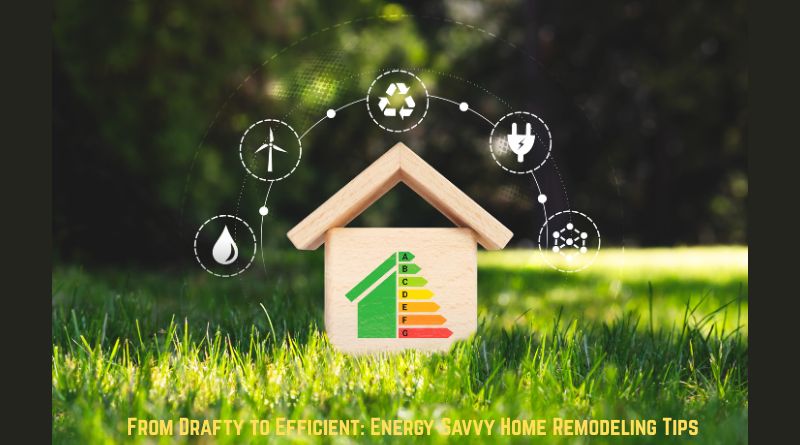
- Modern home remodeling emphasizes energy efficiency to reduce utility costs and environmental impact.
- Upgrades like high-performance insulation, energy-efficient windows, and smart home technologies are central to these efforts.
- Incorporating sustainable materials and renewable energy sources further enhances a home’s efficiency and value.
Table of Contents
- Enhancing Insulation for Optimal Energy Conservation
- Upgrading Windows and Doors to Minimize Energy Loss
- Implementing Advanced HVAC Systems for Efficient Climate Control
- Integrating Smart Home Technologies for Energy Management
- Utilizing Sustainable Materials in Remodeling Projects
- Incorporating Renewable Energy Sources
- Focusing on Water Efficiency in Home Design
- Financial Incentives and Long-Term Savings
- Conclusion
With sustainability increasingly important, today’s homeowners are seeking smart ways to lower energy consumption and reduce utility bills. An increasing number are prioritizing eco-friendly renovations to create healthier homes while reducing their environmental impact. For those planning a major overhaul or targeting key upgrades, understanding the most effective methods for boosting energy efficiency is essential. Working with experts such as Westside Build can help homeowners incorporate the latest innovations and ensure their improvements yield the best results.
Energy-efficient remodeling not only makes your living space more comfortable but also adds real value to your property over time. From insulation and HVAC systems to sustainable building materials and renewable energy, there are numerous ways to make your home greener. Even small adjustments can make a big difference in long-term performance and cost savings.
Today’s green remodeling approach also focuses on smarter resource management and technology integration. This extends beyond reducing electricity use; it involves using water wisely, selecting sustainable materials, and embracing new ways to monitor and control a home’s energy consumption. Strategic upgrades help ensure lasting benefits for both homeowners and the planet. By understanding the latest trends in energy-efficient remodeling, you can make informed decisions that pay off for years to come.
Enhancing Insulation for Optimal Energy Conservation
Proper insulation serves as the backbone of a home’s energy efficiency. Older homes often lose heat through their walls, attics, and floors, causing energy bills to spike and comfort to diminish. Modern insulation solutions, such as closed-cell spray foam and rigid foam boards, effectively curb unwanted heat flow. These high-performance materials keep rooms warmer in winter and cooler in summer, ensuring a stable indoor environment. According to the U.S. Department of Energy, improved insulation can cut heating and cooling costs by up to 20 percent, making it a high-impact investment for any remodel.
Upgrading Windows and Doors to Minimize Energy Loss
Outdated windows and doors can be major sources of energy loss. Replacing them with energy-efficient alternatives is a crucial step in any remodeling project. Newer windows often feature double or triple-pane glass, inert gas fillings, and specialized coatings that minimize heat exchange. Low-emissivity (Low-E) coatings limit the amount of infrared and ultraviolet light that enters the home, helping preserve indoor temperatures and reduce fabric fading. Thermal breaks within window and door frames also limit the passage of heat. Collectively, these features lower energy expenditures and provide added comfort and sound insulation.
Implementing Advanced HVAC Systems for Efficient Climate Control
Heating, ventilation, and air conditioning systems account for nearly half of the energy used in the average home. Upgrading to modern, high-efficiency HVAC equipment can yield immediate savings on utility bills. New systems, such as variable-speed heat pumps and smart thermostats, optimize performance in real time to meet changing needs. Regular servicing also ensures these systems continue to operate efficiently for years to come. Taking a whole-home approach, including ductwork upgrades and proper sealing, will improve airflow, reduce waste, and create a healthier indoor atmosphere.
Integrating Smart Home Technologies for Energy Management
Smart home innovations give homeowners unprecedented control over their energy usage. Programmable thermostats, smart lighting, and energy-monitoring devices adjust automatically according to occupants’ routines and preferences. These technologies prevent unnecessary energy consumption, whether you are home or away. For example, advanced thermostats adapt to your schedule, ensuring efficient heating and cooling only when needed. The ability to monitor and control power consumption remotely also empowers homeowners to catch inefficiencies early and make real-time adjustments.
Utilizing Sustainable Materials in Remodeling Projects
Choosing eco-friendly building materials goes hand in hand with energy-efficient remodeling. Options like reclaimed wood, bamboo flooring, and recycled metal contribute not only to a lower carbon footprint but also help regulate indoor temperatures. Many sustainable materials also improve air quality by reducing volatile organic compound (VOC) emissions. These materials are widely recognized for their durability and aesthetic value, making them an excellent choice for long-lasting green projects.
Incorporating Renewable Energy Sources
Investing in renewable energy technologies such as solar panels has become more feasible and affordable for the average homeowner. Photovoltaic systems generate clean electricity and can offset a significant portion of a household’s energy demand. In many cases, surplus power can be sold back to the grid, further boosting a home’s financial sustainability. Geothermal systems and wind turbines are also gaining traction as supplementary sources for those striving for near-total self-sufficiency. As utility companies increasingly incentivize renewable energy, homeowners can recover their investment over time while decreasing reliance on fossil fuels.
Focusing on Water Efficiency in Home Design
Energy efficiency extends to water use, especially as modern plumbing fixtures and landscaping methods become standard in green remodels. Installing low-flow faucets and showerheads, as well as dual-flush toilets, reduces water use without sacrificing performance. Outdoor designs featuring drought-resistant plants, permeable paving, and rainwater collection systems further minimize the need for irrigation and overall water waste. These improvements not only aid conservation but can also protect local water resources and lower monthly utility bills.
Financial Incentives and Long-Term Savings
Committing to energy efficiency in remodeling delivers value in two primary ways: direct savings on utility bills and eligibility for various incentives. Many governments and utility companies offer rebates, tax credits, or low-interest loans for qualifying upgrades. These incentives can cover a substantial portion of the initial investment, with ongoing savings adding up year after year. Homeowners who consistently make green upgrades enjoy healthier, more comfortable homes that are much less expensive to operate in the long term.
Conclusion
Energy-efficient home remodeling is a smart investment that benefits both your wallet and the environment. Upgrades like improved insulation, modern windows and doors, advanced HVAC systems, and smart home technologies reduce energy consumption while enhancing comfort and indoor air quality. Incorporating sustainable materials, renewable energy sources, and water-saving features further strengthens your home’s efficiency and long-term value. By combining thoughtful planning, professional guidance, and strategic use of modern technologies, homeowners can achieve substantial utility savings, take advantage of financial incentives, and create a greener, more resilient living space. Prioritizing energy efficiency today ensures a healthier, more sustainable home for years to come.