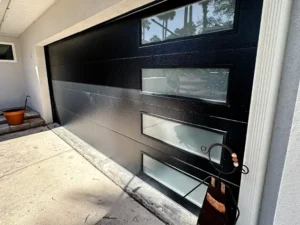
Preventing pests in modern homes requires a proactive approach that combines cleanliness, structural maintenance, and early detection. Homeowners are increasingly adopting integrated pest management approaches that focus on reducing attractants such as food residues, excess moisture, and clutter. Sealing entry points, properly disposing of waste, and conducting routine inspections of kitchens, basements, and outdoor areas all help minimize the risk of infestations before they begin.
Even with consistent prevention efforts, some pest problems may still arise due to environmental factors or hidden infestations within a structure. In such cases, seeking expert guidance can help ensure safe and effective solutions tailored to the situation. For example, professional pest control services in Boston for homes and businesses emphasize broader approaches to prevention, monitoring, and responsible management. Combining professional insight with ongoing home maintenance can further reduce the likelihood of recurring infestations.
Common Pests in Modern Homes
Despite stylish architecture and fresh materials, modern homes attract a host of familiar pests. Among the most persistent are:
- Stink Bugs: Cold weather drives these bugs indoors, often leading to unpleasant odors when disturbed or crushed.
- Asian Lady Beetles: Similar in appearance to ladybugs but more numerous, these beetles are known for staining interior surfaces when gathered en masse.
- Rodents: Both mice and rats can exploit the smallest gaps, leading to concerns ranging from property damage to the potential spread of disease.
Other pests that may target modern homes include spiders, ants, and even termites. While less commonly associated with new construction, termites can enter homes through hidden vulnerabilities in the foundation, especially where wood meets soil or moisture accumulates. Ant colonies may establish themselves beneath driveways or patios and enter seeking food or water. Monitoring for these less-obvious pests ensures a comprehensive defense plan for any residence.
Why Modern Homes Are Susceptible
It is a common misconception that only old or neglected buildings have pest problems. Several aspects of modern home construction and landscaping can increase pest vulnerability:
- Sealed Environments: Tightly sealed windows and doors help conserve energy but limit airflow and can lock pests inside once they gain access.
- Construction Materials: Some natural materials can attract pests if not adequately sealed, while composites may conceal gaps or cracks that allow insects and rodents to enter.
- Landscaping Choices: Bushes, mulch, and grass right up to the foundation often serve as a bridge for insects and rodents.
Additionally, modern homes often feature complex HVAC and plumbing systems that, if not maintained, can create dark, damp conditions ideal for unwanted pests. Innovations such as smart irrigation systems, while saving water, may create puddling near foundations if sensors malfunction. Understanding how modern amenities interact with the outdoor environment can help homeowners anticipate pest risks and plan accordingly, especially during seasonal changes.
Effective Prevention Strategies
Keeping pests out in the first place is easier than dealing with an infestation. Homeowners should focus on these preventive actions:
- Seal Entry Points: Routinely examine the outside of the home for cracks around windows, doors, and the foundation. Repair any openings with caulk or weatherseal strips.
- Maintain Cleanliness: Crumbs or spilled foods, particularly in kitchens and pantries, quickly attract pests. Thorough, regular cleaning is crucial to remove these attractants.
- Proper Waste Management: Always use sturdy, sealed bins for household garbage and take them out frequently.
Furthermore, consider installing lighting that is less attractive to flying insects around entryways. Replacing outdoor lights with yellow “bug” bulbs can decrease the number of bugs gathering near doors and windows. Homeowners can also install door sweeps and screen vents to further limit pest access. Education and vigilance remain vital—inform all household members about practices like keeping doors closed and not leaving pet food out overnight.
Natural Repellents and Their Effectiveness
Eco-friendly solutions lessen dependence on chemical pest controls. Using essential oils like mint and clove can repel pests, such as stink bugs, and these oils can be incorporated into sprays applied at entry points. Homemade traps, for example, a shallow dish of soapy water placed under a lamp, help monitor pest activity without using chemicals. Bay leaves placed in pantry corners can deter flour beetles and similar pests without compromising food flavor. Although these natural remedies are not replacements for preventive measures or professional pest control, they provide additional protection and peace of mind for those aiming to reduce synthetic sprays.
Importance of Regular Maintenance
Prevention is not a one-time effort. Consistent and diligent maintenance is crucial:
- Inspecting for Signs of Pests: Watch for droppings, chewed materials, or visible insects. Early detection enables fast intervention.
- Maintaining Landscaping: Keep trees, plants, and shrubs trimmed back to reduce pathways to your home.
- Addressing Moisture Issues: Damp environments attract both insects and rodents. Regularly check for and repair plumbing leaks or blocked gutters.
Don’t overlook less visible areas such as attics, basements, and crawl spaces, where pests can often go unnoticed for months. Seasonal tasks like cleaning out gutters, inspecting rooflines, and refreshing weatherstripping will not only keep pests at bay but also improve energy efficiency. Making maintenance part of your seasonal routine ensures lasting protection for your household.
When to Seek Professional Help
If homemade and preventive methods do not control an issue, enlist the support of qualified pest management experts. Professionals can identify hidden infestations, implement specialized treatments, and monitor your home to ensure a lasting solution tailored to your specific needs.
Experts can also provide advice tailored to local pest pressures, which may vary widely by geography and climate. Scheduling annual or semi-annual inspections ensures your home remains protected year-round, even as pest pressures change with the seasons and local environment.
Conclusion
Modern architecture alone doesn’t guarantee pest prevention. Identifying vulnerabilities and regularly sealing, cleaning, and maintaining your home significantly lowers the risk. When in doubt, seek advice from specialists. Combining smart construction techniques, ongoing upkeep, and preventive habits provides the most effective protection. Staying vigilant, educating yourself, and consulting professionals help keep pests out, so you can enjoy your home without uninvited visitors.